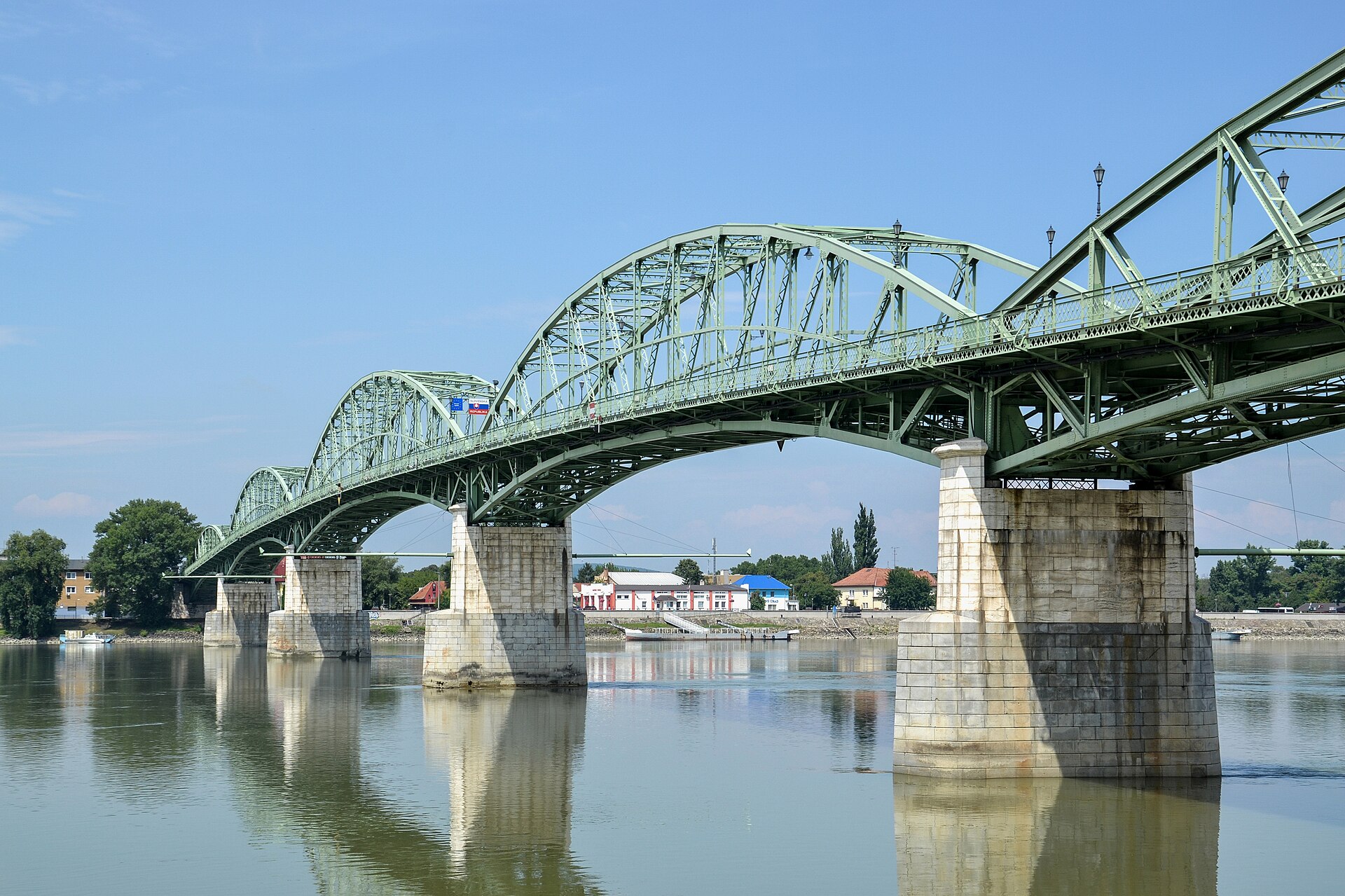
The Maria Valeria Bridge stretches across the Danube, linking the Hungarian town of Esztergom with the Slovak city of Štúrovo. Built in the late 19th century when both sides of the river were still part of the same empire, it was never just a piece of engineering—it became a quiet symbol of connection between two nations. Named after the daughter of Emperor Franz Joseph, the bridge has endured wars, destruction, and rebirth, yet its name has remained unchanged, a small but persistent thread in the region’s history.
When the first bridge opened in 1895, it was considered an engineering marvel. A five-span metal structure nearly half a kilometer long, it was designed by János Feketeházy to accommodate not just horse-drawn carriages and pedestrians but also trains, with a railway line integrated into its framework. At the time, it was a vital link between northern Hungary and the rest of the empire, a practical solution to the challenge of crossing a wide, fast-flowing river. Its height allowed even large vessels to pass beneath, ensuring that trade and travel could continue unimpeded.
The bridge’s history, however, was far from peaceful. In the final months of World War II, retreating German forces demolished it in 1944 to slow the Soviet advance. For decades afterward, the connection between Esztergom and Štúrovo was severed. Residents relied on ferries or long detours to cross the river, and the absence of the bridge became a tangible reminder of the divisions that war had wrought. Its reconstruction took on political weight in the 1990s, after the dissolution of Czechoslovakia turned the river into an international border. When the new bridge finally opened in 2001, it was more than just a restored crossing—it was a gesture of reconciliation.
The modern bridge retains the name of its predecessor but little else of its original design. Instead of the heavy metal spans of the 19th century, it now features a sleek cable-stayed structure with a single central pylon, giving it a lighter, almost delicate appearance. Cars and pedestrians cross it daily, though the railway line was never reinstated. The bridge has also become a place for leisurely walks, offering views of the Danube’s wide curve, the towering basilica of Esztergom, and the gentle hills rising on the Slovak side.
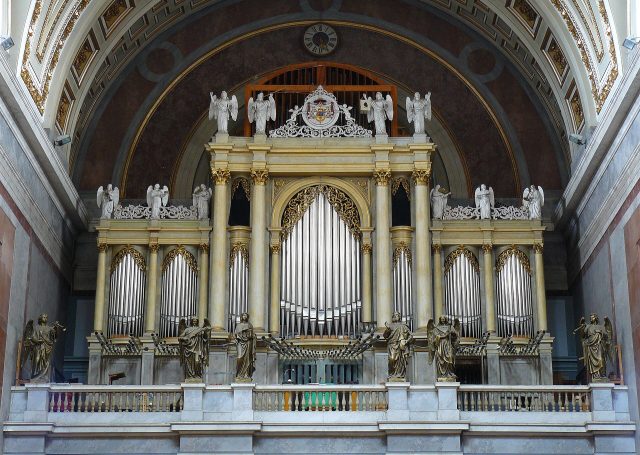
Esztergom and Štúrovo are towns shaped by different histories, yet the river binds them together. Esztergom was once the capital of Hungary, a city of coronations and royal power, and its basilica of St. Adalbert remains the largest church in the country. Štúrovo, by contrast, is a smaller, quieter place where life moves at a slower pace. The bridge serves as a meeting point between these two worlds, a place where the border feels less like a division and more like a shared space—especially now that both Hungary and Slovakia are part of the Schengen Zone.
Walking across the bridge is like stepping through layers of time. On the Hungarian side, the riverbank is lined with Art Nouveau buildings, their facades still bearing the marks of a bygone era. On the Slovak side, remnants of old fortifications hint at a more turbulent past. In Esztergom, the promenade is dotted with cafés where locals and visitors linger over coffee in the summer, while in Štúrovo, the town square centers around a modest town hall and a Catholic church. In winter, the bridge is strung with lights, glowing softly over the dark water.
For the people who live here, the Maria Valeria Bridge is part of everyday life. In the mornings, commuters cross it on their way to work, schoolchildren hurry to class, and retirees stroll with their dogs. Cyclists use it in the summer, and in winter, when the Danube freezes, fishermen can be seen sitting on the ice with their rods. There’s none of the tourist bustle of Budapest or Bratislava—just the quiet rhythm of two towns connected by a river and a bridge.
The bridge has also become a place of personal moments. Couples meet here for dates, friends gather for evening walks, and business partners arrange meetings with the Danube as their backdrop. On occasion, wedding parties stop to take photographs against the river’s wide expanse. During festivals like Europe Day, small concerts or exhibitions are held on the bridge, bringing together people from both sides of the border.
More than just a crossing, the Maria Valeria Bridge is a reminder that borders are not just lines on a map. They are places where life continues—where people trade, talk, and build relationships despite political shifts. The bridge has survived wars and divisions, yet it endures as a symbol of connection. Today, whether you walk, bike, or drive across it, the real experience is in sensing how history and the present coexist here, above the flowing waters of the Danube.