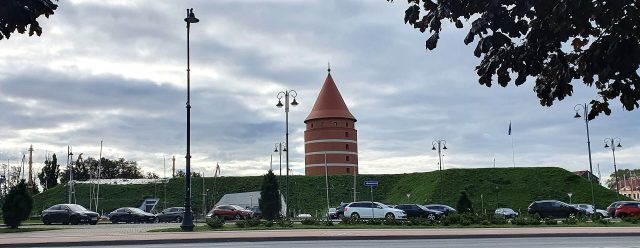
Klaipėda is a city where the Baltic Sea whispers stories of the past, and nowhere is that connection more tangible than at the Maritime Museum and Aquarium. Housed within a 19th-century fortress, the museum itself is part of the experience. The thick brick walls, arched ceilings, and narrow gun slits were once built for defense, but today they frame a different kind of exploration—one that traces Lithuania’s relationship with the sea. The building’s military history lingers in the air, yet now it shelters tanks of swirling water and halls that reveal the sea as a place of labor, discovery, and life.
The museum unfolds across several sections, each offering a distinct perspective on humanity’s bond with the ocean. The historical exhibits bring the region’s maritime past to life through ship models, navigational tools, and documents that chart the evolution of seafaring. One corner is devoted to fishing, showcasing everything from traditional wooden boats and handwoven nets to the industrial trawlers that now dominate the trade. Artifacts recovered from shipwrecks—rusted compasses, fragments of hulls—hint at the dangers that once lurked beneath the waves, while displays recount local disasters that left their mark on the city’s memory.
The aquarium is where the museum truly comes alive. Baltic cod, flounder, and sea bass glide through vast tanks, their movements a quiet contrast to the stillness of the historical exhibits. More exotic species, brought from distant waters, add a splash of color to the scene. The shark tunnel is a highlight, its curved glass offering an underwater walk where visitors can look up to see sleek predators drifting overhead. Feeding sessions, held for both children and adults, reveal the habits of these creatures, turning a simple visit into something closer to a live lesson in marine biology.
A separate section is dedicated to the ocean’s larger inhabitants. The skeleton of a sperm whale, washed ashore decades ago, dominates one hall, its massive bones a reminder of the sea’s power. Nearby, interactive displays explore the lives of seals and dolphins, not just as curiosities but as species facing real threats. The museum doesn’t shy away from the darker side of human impact—pollution, overfishing, and habitat loss—while also highlighting the work of Lithuanian scientists studying whale migrations and the delicate balance of marine ecosystems.
Beyond the main building, the fortress grounds hold more surprises. The old lighthouse still stands, its beacon guiding ships just as it has for generations. Climbing its narrow stairs rewards visitors with a sweeping view of Klaipėda and the Curonian Lagoon, the same vista that sailors have watched for centuries. Nearby, a small outdoor exhibit displays anchors, propellers, and other relics of ships long gone, each piece a silent testament to the vessels that once passed through these waters.
In the warmer months, the museum expands its reach beyond its walls. Outdoor enclosures house seals, their playful antics drawing crowds, and occasional performances offer a closer look at their behavior. For those eager to experience the sea firsthand, boat tours of the Curonian Lagoon depart from the museum’s docks. These excursions weave together stories of trade routes, environmental challenges, and the lagoon’s role in shaping the region’s identity.
What makes the Maritime Museum more than just a collection of exhibits is its ability to tell a layered story. History, science, and nature intersect here, inviting visitors to spend hours moving from one display to the next. The sea is portrayed not just as a backdrop for adventure but as a force that has shaped livelihoods, inspired exploration, and demanded respect. It’s a place that lingers in the mind long after the visit ends, a reminder of both the beauty and the responsibility that come with living alongside such a vast and unpredictable world. For many, it’s a reason to return to Klaipėda, not just to see the city, but to reconnect with the sea that defines it.