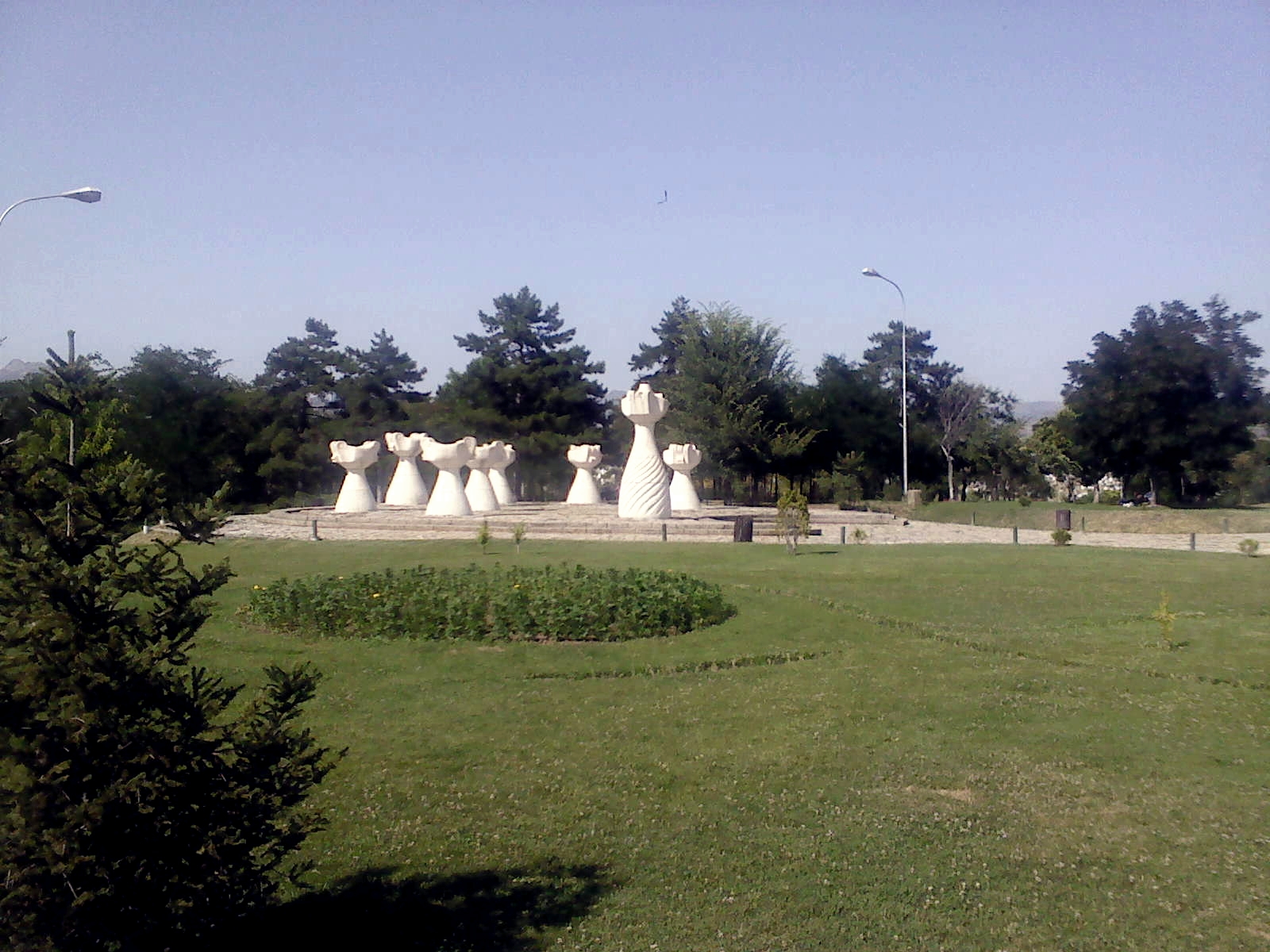
Perched on a quiet hill overlooking Prilep, the Tomb of the Unconquered stands as a solemn reminder of the struggles that shaped modern North Macedonia. The memorial is dedicated to the partisans who fought and died during World War II, their sacrifice etched into the landscape of a city that was once a stronghold of resistance. From this vantage point, the view stretches across the rolling hills and valleys, a landscape that witnessed some of the fiercest battles against occupying forces. The name itself—Unconquered—carries a weight that transcends time, honoring those who refused to surrender even in the darkest hours.
The design of the memorial is understated, almost austere, reflecting the gravity of its purpose. A simple granite stele rises from the earth, its surface marked with inscriptions that speak of courage and loss. Around it, a small park unfolds, its trees offering shade and its benches inviting quiet reflection. There are no grand statues or ornate monuments here, just the raw, unadorned truth of history. The absence of pomp makes the place feel more intimate, as if the stories of those buried here are whispered by the wind rather than shouted from marble pedestals.
Prilep was a pivotal center of partisan activity during the war, a city where ordinary people took up arms against oppression. The surrounding mountains and forests provided cover for guerrilla fighters, while the local population often risked everything to support them. The battles fought here were brutal, and the cost of resistance was high. The Tomb of the Unconquered is more than a burial site—it’s a testament to the resilience of a community that refused to be broken. For many in Prilep, the memorial is deeply personal, tied to family histories and the oral traditions passed down through generations.
Visitors who come here today won’t find crowds or tour groups, just the occasional local paying their respects or a traveler pausing to take in the view. The quiet is part of what makes the place so powerful. There’s no need for guided tours or interpretive signs; the silence itself tells the story. In winter, the hill is often dusted with snow, the stark white contrasting with the dark granite of the stele. In summer, the air is warm and still, the cicadas humming in the trees. No matter the season, the atmosphere is one of contemplation, a space where the past feels close enough to touch.
Nearby, a modest museum offers a glimpse into the partisan movement in Macedonia. The exhibits are small but poignant—photographs of young fighters, tattered uniforms, handwritten letters, and weapons that tell of a time when survival was a daily struggle. The displays don’t glorify war; instead, they present it as it was—messy, painful, and often desperate. For those who take the time to visit, the museum adds depth to the memorial, filling in the gaps between the names on the stele and the lives they represent.
What makes the Tomb of the Unconquered different from other war memorials is its sense of continuity. It’s not a relic of the past but a living part of Prilep’s identity. The stories of the partisans are still told here, not just in history books but in the memories of families who lost loved ones. For older generations, the memorial is a place of mourning and pride. For younger visitors, it’s a lesson in what it means to stand up for something greater than oneself. The hill itself feels like a bridge between eras, a place where the struggles of the 1940s echo into the present.
Prilep is a city with layers of history, from its Ottoman-era bazaars to its medieval monasteries. But the Tomb of the Unconquered is one of its most human landmarks, a place where history isn’t just observed but felt. It doesn’t demand attention like a grand cathedral or a fortress; instead, it waits quietly, offering its stories to those who seek them. If you find yourself in this part of North Macedonia, the climb up the hill is worth the effort. Standing there, looking out over the city, it’s impossible not to reflect on what freedom truly means—and what it has cost. The view is beautiful, but the weight of the place lingers long after you’ve descended.