- Home
- North Macedonia
- Prilep

Prilep
North Macedonia · 8 places
Photo: Prince Roy, CC BY 2.0
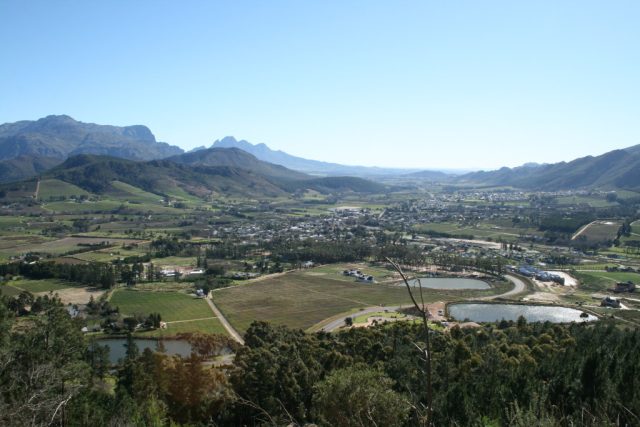
Prilep is a place where time has settled into the cracks of its streets. Medieval legends hum beneath the surface of everyday life. The city sits in the shadow of the Babuna Mountains, surrounded by rolling hills of vineyards and tobacco fields. The air carries the scent of dried tobacco leaves, once the backbone of the Balkans’ tobacco trade, mixed with the warm aroma of fresh bread from local bakeries. The city doesn’t reveal itself all at once—it unfolds slowly, like a book with pages softened by age.
Marko Kraljević and the Stones of History
Prilep is the birthplace of Marko Kraljević, the hero of South Slavic epic poetry. His name is spoken here with pride. On the city’s outskirts, the fortress of Markovi Kuli stands on a rocky hill, its walls built in the 13th century. From its heights, the view stretches over the city and the valleys below. The fortress isn’t grand, but its stones hold weight—history lingers in the quiet corners where battles were once fought. Now, people come to stand in the wind that has swept over these hills for centuries.
A City of Quiet Contrasts
The old and the new coexist without fuss. In the center, narrow streets wind past Ottoman-era houses with overhanging balconies and sun-faded shutters. Small shops and cafés line the alleys, serving coffee and rakiya. Evenings bring people to the main square. The light catches the cobblestones, laughter spills from a café, a musician tunes a gusle in the background. In summer, festivals fill the city, including the Prilep Jazz Festival, which draws musicians from across the region.
Tobacco shaped Prilep’s identity. For decades, the city was North Macedonia’s tobacco heart. Though its economic role has faded, the traditions remain. Fields still yield tobacco leaves, and some old warehouses now house museums or cultural spaces. Their high ceilings and weathered beams tell stories of when the crop was king. For many here, tobacco connects families across generations—a craft passed down through the years.
Prilep doesn’t demand attention. There are no crowds, no flashy attractions. Instead, it moves at its own pace. You might find a quiet church with faded frescoes in a courtyard or a workshop where a luthier carves instruments by hand. The city doesn’t try to impress. It simply is. If you stay awhile, it leaves its mark.
See & Do
All of them

Places on the map
Marker colour follows the categoryClimate and weather
Detailed weather: Prilep- Average temperature
- 12 °C
- Precipitation per year
- 545 mm
Average air temperature
°C
1
4
7
12
16
21
24
23
18
13
8
3
Jan
Feb
Mar
Apr
May
Jun
Jul
Aug
Sep
Oct
Nov
Dec