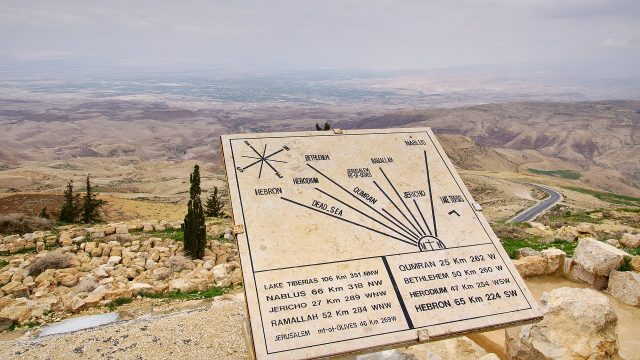
The Dead Sea is a place where the laws of nature seem to bend. It sits more than four hundred meters below sea level, the lowest point on Earth’s land surface. This vast inland lake is so dense with salt that it defies ordinary expectations. The water here is nearly ten times saltier than the ocean, its composition dominated by magnesium and potassium salts. This extreme salinity makes the sea uninhabitable for most life, yet it also creates an experience unlike any other.
Step into the water, and you’ll immediately feel your body float. The high salt concentration increases buoyancy to the point where sinking is impossible. You don’t swim—you drift, lying back like a cork. Flipping onto your stomach is awkward because your legs refuse to stay submerged. The sensation is disorienting at first, but there’s a quiet thrill in defying gravity so completely.
The other defining feature of the Dead Sea is its mineral-rich black mud. Found along the shore, this thick, tar-like substance is a mix of clay, silt, and salts. Visitors cover their skin with it, letting it dry in the sun before rinsing it off in the sea. The process leaves skin feeling smooth, but the real appeal is the ritual—slowing down, coating yourself in the earth’s residue, and letting the heat seep into your bones. Some take mud home in jars, though its texture and smell make it impractical for daily use.
The sea’s harshness demands caution. The water stings any open cut, and a single drop in your eye can cause pain for minutes. You learn quickly not to splash, not to dunk your head, and to limit your time in the water. Most people stay in for fifteen or twenty minutes, just long enough to feel weightless before retreating to the shore. Salt clings to your skin, leaving a crust that requires fresh water to wash off. Every proper beach here has showers, but the residue lingers, a reminder of how different this place is.
The Dead Sea is shrinking. Each year, the water recedes by about a meter, leaving behind cracked earth and abandoned shorelines. The reasons include water diversion from the Jordan River, mineral extraction, and the region’s arid climate. The change is visible in the shifting beaches and longer walks to reach the water. It’s a slow but relentless transformation.
Most beaches on the Jordanian side are managed, either by hotels or as public spaces. Public beaches offer little more than a shower, a changing area, and a small kiosk. Hotel beaches provide shade, loungers, and sometimes a freshwater pool—but at a higher cost. The entry to the water is rarely smooth. The shore is rocky, and salt-encrusted stones can be sharp underfoot, so water shoes are necessary. The sun feels gentler here because of the thick atmosphere, but UV rays are just as strong. Without sunscreen, you’ll burn faster than you expect.
The drive from Amman takes about an hour, winding down from the highlands into the Jordan Valley. The landscape shifts from dry hills to the stark expanse surrounding the sea. The road is well-maintained, but the descent feels steep in places. Once you arrive, the contrast is striking—the stillness of the water, the silence of the desert, the endless horizon.
The Dead Sea has been a source of fascination for millennia. Ancient Egyptians used its salts for mummification. Cleopatra is said to have bathed in its waters. The Bible mentions it as the site of Sodom and Gomorrah. Today, it remains a place of contradictions—harsh yet inviting, lifeless yet full of strange vitality. It doesn’t offer the escape of a tropical beach. Instead, it gives you a chance to experience a world that operates by its own rules, where the water doesn’t just surround you but changes you, if only briefly.