The Murambi Genocide Memorial is where history isn’t confined to books. It lingers in the silence between the buildings, in the weight of what happened here. Near Mugina in southern Rwanda, the memorial stands on the grounds of a former technical school. This place became synonymous with one of the most devastating chapters of the 1994 genocide against the Tutsi. Hundreds of thousands of lives were lost across Rwanda in weeks. Murambi was at the heart of it.
The school was built in the late 1980s as a vocational center for agricultural training. Its red-brick buildings sat among rolling hills, like any other rural institution. That changed in April 1994 when violence erupted. Thousands fled to Murambi, believing local authorities’ promises of safety. For a moment, the school offered hope. On April 15, armed militias stormed the compound. Within hours, an estimated fifty thousand people were killed.
The bodies, preserved by cold and rain, were later found scattered across the campus.
Murambi differs from other memorials because it preserves the past without filtering it. The school remains largely as it was. Some classrooms are untouched—desks hold cracked notebooks, rusted tools lie on floors, and chalkboards bear faint scribbles of students. There are no polished exhibits. Visitors see the objects left behind by those who lived, hid, and died here. The effect is unsettling. Time feels frozen.
The memorial is also a burial site. Mass graves dot the grounds, holding the remains of thousands. Some bodies were exhumed and placed in rooms, preserved with lime. The sight is difficult to process. The creators of Murambi wanted the world to see the scale of the atrocity. Nearby, plaques list the names of those identified, though many remain unknown.
Families visit often, leaving flowers or sitting in silence.
The architecture of Murambi is simple. The original school buildings are mostly unchanged, with only a few informational panels added. Gardens filled with flowers and trees surround the site. They don’t erase the past but create space for contemplation. Unlike other memorials in Rwanda, Murambi doesn’t rely on grand gestures. Its power is in its authenticity.
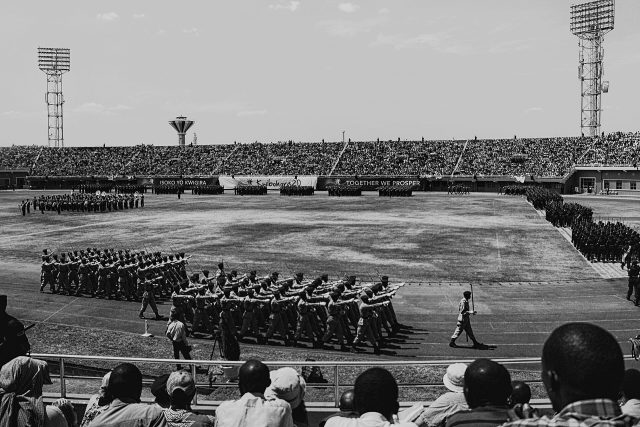
For Rwanda, Murambi is part of the country’s collective memory. After the genocide, Rwanda had to rebuild and reunite. Memorials like this became tools for education and healing. Every year, commemorative events are held here, drawing survivors, families, and officials. For younger generations, Murambi offers a history lesson no textbook can match. Rwandans say remembering the genocide isn’t about hatred. It’s about ensuring such horrors never happen again.
Visiting Murambi isn’t easy. There’s no room for casual conversation. Guides, many of them survivors, speak in measured tones. Their words carry the weight of lived experience. For foreigners, the memorial can be a revelation. Few outside Rwanda grasp the full scale of the genocide or the depth of its scars. Murambi forces you to see how quickly society can fracture.
Today, Rwanda is one of Africa’s most stable nations. Yet the past isn’t erased. It’s preserved as a cautionary tale. Murambi is part of that—a place where the names and stories of victims are honored. The lessons of history are kept alive here.
When you leave, you carry the weight of what you’ve seen. History isn’t just something we read. It lives in the choices we make.