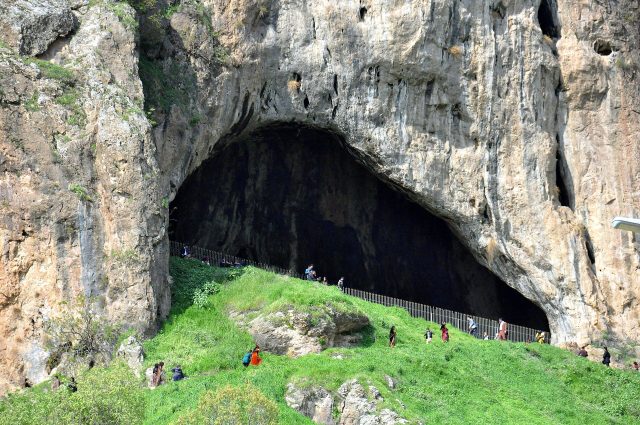
The Anfal Memorial in Iraqi Kurdistan is a place where silence and sorrow settle into the folds of the hills, where the stark beauty of northern Iraq’s landscape contrasts with the weight of its past. It was built to honor the victims of the Anfal campaign, a brutal series of operations carried out by Saddam Hussein’s regime in the late 1980s. During that time, Kurdish communities faced mass executions, forced displacements, and the systematic destruction of villages. The name itself comes from a Quranic sura, lending the memorial an added layer of symbolism—an echo of injustice and the attempt to erase an entire people from history.
The architecture here is unassuming yet powerful. The central structure is a long, low pavilion made of concrete and stone, its shape evoking both a shelter and a burial mound. Inside, the walls are lined with photographs of the dead, names of the missing, and documents from that era. There is no grandeur, only a quiet grief that lingers in every corner. Nearby, mass graves hold the remains of thousands, discovered only after the regime’s fall. Simple stone markers bear dates and names, where they are known, each one a fragment of a life cut short.
Visiting the memorial is less about tourism and more about confronting history that still lives in the memories of many Kurds. Locals often come here to pay respects to lost family members or simply to stand in silence. For them, this is not an abstract monument but a deeply personal place, woven into their own stories. Small ceremonies take place on anniversaries, when people bring flowers and light candles. The atmosphere is not oppressive but reflective, as if the memorial itself invites contemplation rather than tears.
The memorial sits in the outskirts of Sulaymaniyah, surrounded by gentle hills and green valleys that make the past feel even more jarring. The landscape today is peaceful, but that contrast—between the serene surroundings and the horrors that unfolded here—makes the place all the more haunting. On clear days, the view stretches across the countryside, and it’s hard to imagine that this same land once echoed with gunfire and was littered with bodies. Now, only the wind rustles through the grass, and the occasional murmur of visitors breaks the stillness.
For many Kurds, the Anfal Memorial has become a symbol of resilience and remembrance. It serves as a reminder not just of the lives lost but of the importance of preserving history, no matter how painful. There are no calls for vengeance or political slogans here—just a quiet determination to ensure that what happened is never forgotten. In that sense, the memorial fulfills its role subtly but firmly, like a guardian of the past.
This is not a place only for those studying Iraqi or Kurdish history. It’s for anyone who wants to understand how collective memory shapes identity. There are no guides reciting rehearsed facts, just walls covered in photographs and a silence that speaks volumes. Perhaps that’s why the memorial leaves such a lasting impression—it doesn’t try to explain the past but simply presents its consequences.
In recent years, the memorial has become part of a broader effort to preserve Kurdish history. New museums and monuments have emerged in Iraqi Kurdistan, but Anfal remains one of the most significant. It hasn’t turned into a typical tourist attraction, and that may be for the best. There are no souvenir shops or cafes, just modest signs and paths leading to the mass graves.
If you find yourself in Sulaymaniyah, it’s worth setting aside time to visit. Weekdays are best, when the site is quieter, allowing you to wander undisturbed. Don’t expect dramatic emotions or entertainment—the memorial isn’t built for that. But if you’re open to encountering history that still breathes, this place will stay with you. It serves as a reminder that behind every name on the wall is a life, and behind every photograph, a story that can no longer be told.