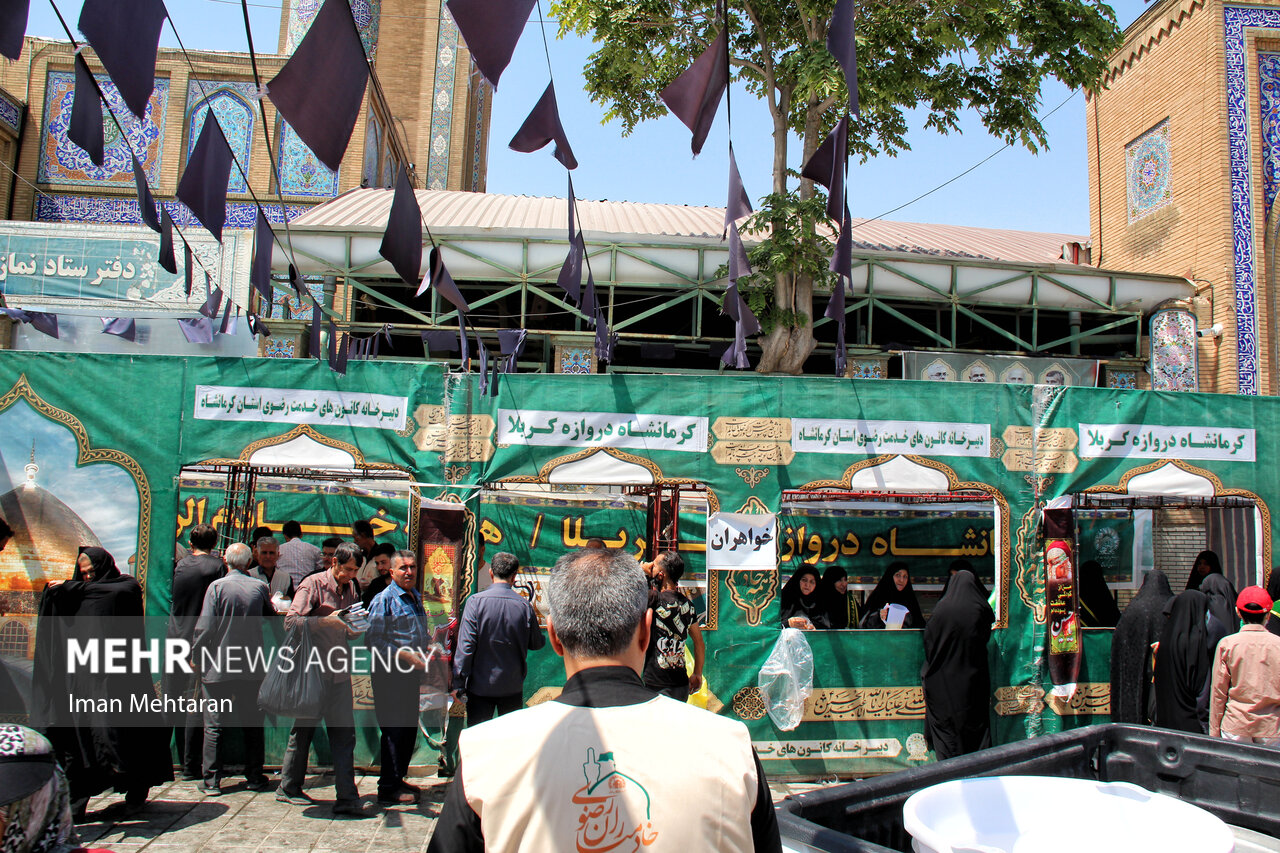
Jameh Mosque of Kermanshah is the kind of place that doesn’t reveal itself at first glance. Tucked away in the heart of the old city, it blends into the quiet rhythm of daily life rather than standing out as a grand monument. Unlike the lavish mosques of Isfahan or Shiraz, it doesn’t overwhelm with scale or ornamentation. Instead, it feels lived-in, unpolished in the best sense—more a part of the neighborhood than a tourist attraction.
The mosque’s origins stretch back to the Safavid era, when Kermanshah was a key stop on the trade routes linking Baghdad and Tehran. The city thrived as a hub for merchants, scholars, and travelers, and Jameh Mosque was one of many religious sites that dotted its streets. No one knows exactly when it was built—local stories place its construction anywhere from the 17th to the 18th century, with some even suggesting an older mosque once stood here before being lost to war or earthquakes. What remains today is a patchwork of history, shaped by centuries of repairs and renovations, each layer adding to its character.
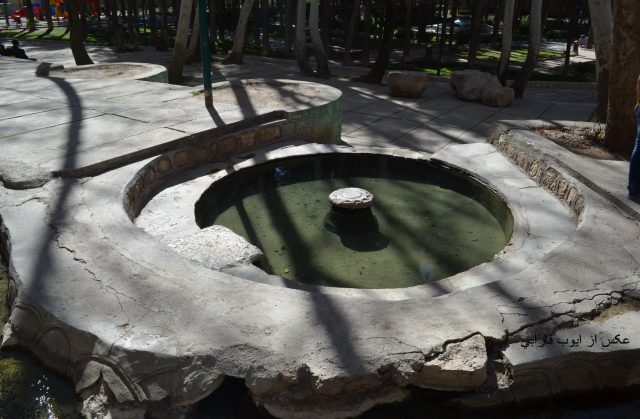
The architecture is simple and practical, much like other provincial Iranian mosques. The main entrance is marked by a modest portal with a semicircular arch, its tiles still holding traces of the traditional blue and turquoise glazes. Inside, a spacious courtyard centers around a pool for ablutions, surrounded by colonnaded walkways. The prayer hall is covered by a low dome, its weight resting on thick, unadorned walls. Light filters through small windows near the ceiling, casting a soft glow that shifts with the time of day. The floors are covered in carpets, the walls plastered with faint geometric patterns—nothing extravagant, just what’s needed for prayer and reflection.
The mihrab, the niche pointing toward Mecca, is the most intricate feature. Carved from alabaster, it bears Quranic inscriptions in elegant calligraphy. There’s no gold leaf or precious stones here, but the craftsmanship is evident in the precision of every curve. Beside it stands the minbar, a wooden pulpit darkened by age, its carvings still sharp despite the years. These details hint at the mosque’s past as more than just a place of worship—it was also a center of learning, where scholars and theologians gathered to discuss and teach.
Today, Jameh Mosque remains an active part of the community. There are no crowds of tourists, just locals who come for quiet moments of devotion. In the early mornings, elderly men sit in the courtyard reading the Quran, while on Fridays, the prayer hall fills with worshippers. The sounds of murmured prayers, the rustle of carpets, and the trickle of water from the pool create a sense of life that’s far removed from the polished facades of more famous sites. For visitors, it’s a chance to see Iran not as a postcard, but as it exists for those who call it home.
Kermanshah itself isn’t a major tourist destination, which only adds to the mosque’s authenticity. It sits in the old quarter, where the streets are narrow and the buildings made of clay and brick. Around it, small shops sell spices, dried fruits, and fresh bread from nearby bakeries. A short walk leads to the bazaar, where vendors offer everything from handwoven carpets to antique coins. The pace here is slow, and the mosque isn’t just a historical site—it’s woven into the fabric of daily life.
The mosque has weathered its share of hardships. Earthquakes, wars, and political upheavals have all left their mark, particularly during the Iran-Iraq War, when Kermanshah found itself on the front lines. Many buildings in the city were destroyed, and Jameh Mosque barely survived, later undergoing extensive repairs. Today, it bears the scars of time—cracked walls, chipped tiles, creaking doors—but these imperfections only make it feel more real. It hasn’t been frozen in time; it’s still evolving, just like the city around it.
For travelers interested in Iran’s history and culture, Jameh Mosque might not be the most dazzling stop. There are no towering domes or intricate mosaics like those in Isfahan or Shiraz. But that’s precisely what makes it special. It doesn’t try to impress; it simply exists, quietly and with dignity. In an age where many landmarks have been turned into tourist spectacles, this mosque remains a place where history feels tangible, unfiltered by glass cases or explanatory plaques. The walls, the people, even the air—dusty with a hint of incense—are all part of the experience. It’s not a monument to the past; it’s a living piece of it.