The Manoel Theatre is one of those rare places in Malta where time seems to pause, allowing you to step into a living piece of history. Tucked away in the heart of Valletta, this unassuming building is far more than just an old theatre—it’s a witness to centuries of music, drama, and the ever-changing tastes of those who have walked through its doors. Commissioned in the 18th century by Grand Master António Manoel de Vilhena, it was Malta’s first permanent theatre and remains one of the oldest working theatres in Europe. Today, it stands as both a cultural hub and a monument to the resilience of art through wars, shifting powers, and evolving fashions.
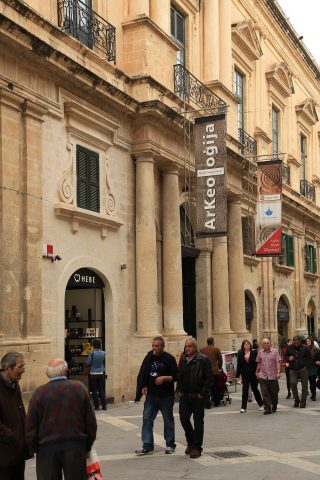
From the outside, the Manoel Theatre doesn’t demand attention. Its façade is modest, almost blending into Valletta’s grand baroque architecture. But crossing the threshold reveals a different world entirely. The auditorium is intimate, almost delicate, with its oval shape, three tiers of gilded boxes, and intricate plasterwork. There are no vast spaces or towering stages here—everything is designed to draw the audience in, making each performance feel personal, as if the actors are playing just for you. The hand-painted wooden panels, the carefully crafted acoustics, and the soft glow of the chandeliers create an atmosphere that modern theatres often struggle to replicate.
The theatre’s story is deeply woven into Malta’s own. When it first opened in the 1730s, it became a gathering place for the island’s nobility and the Knights of Malta, who came not just for the performances but for the chance to see and be seen. Operas, ballets, and plays filled the schedule, reflecting the tastes of the time. In the 19th century, under British rule, the theatre adapted without losing its essence. Travelling troupes took the stage, while local artists carried on the traditions established by the knights. During World War II, the building suffered damage from bombings, but it was restored and reopened in the mid-20th century, reclaiming its place as a cornerstone of Maltese culture.
Today, the Manoel Theatre is more than just a performance space—it’s a living archive of theatrical history. The foyer displays vintage posters, photographs of past performers, and even costumes from bygone productions. Every corner holds echoes of those who once sat in the boxes, applauded on the stage, or rehearsed in the dressing rooms. Visitors can take guided tours that offer a behind-the-scenes look, stepping onto the stage or peering into the wings, where the weight of history feels almost tangible. It’s a rare chance to experience a theatre not just as a spectator, but as part of its ongoing story.
The theatre’s season runs from autumn to spring, with a programme that balances tradition and variety. Classical operas share the stage with contemporary plays, chamber music concerts, and even jazz nights. A special place is reserved for works by Maltese composers and playwrights, ensuring the theatre stays connected to its roots. The auditorium is small, so tickets for popular shows sell out quickly, especially for premieres or performances by well-known artists. But even if you don’t catch a show, it’s worth walking by in the evening, when the theatre’s façade is softly lit and the sound of music drifts through the open doors.
What makes the Manoel Theatre so special is how effortlessly it blends art and history. You don’t need to be an opera aficionado or a theatre buff to feel its magic. Just sitting in one of the seats, looking around at the gilded boxes and the warm wooden panels, is enough to transport you. Perhaps that’s why it remains a favourite for both locals and visitors—it doesn’t try to impress with grandeur or spectacle. Instead, it offers something far more enduring: a sense of authenticity, a connection to the past that feels as real today as it did centuries ago.
Valletta is a city where history is etched into every stone, but the Manoel Theatre stands out even here. It doesn’t shout about its importance or try to dazzle with modernity. It simply exists, a quiet island of culture in the rush of time. In an age where so much is disposable, the theatre’s greatest strength is its permanence. It doesn’t need to be trendy or flashy—it just is, much as it was when it first opened nearly three hundred years ago. And in that quiet constancy, there’s something deeply moving.