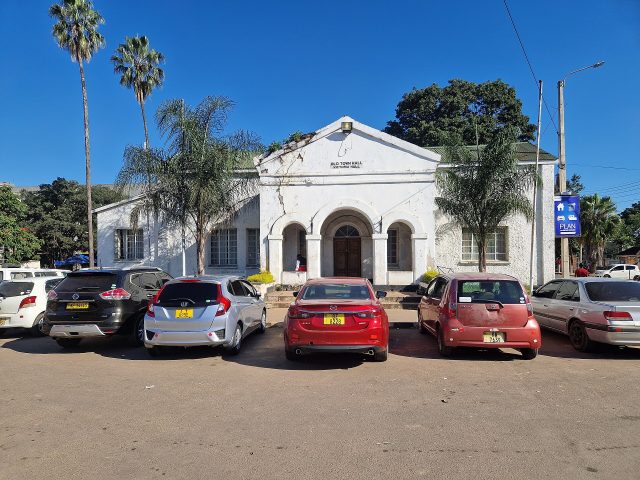
Mandala House stands quietly in the heart of Blantyre, a building that has witnessed the city’s transformation over more than a century. Built in the late 1800s, it was originally the home of John Buchanan, a Scottish missionary and trader who played a key role in shaping early colonial Malawi. The house reflects the architectural style of the time—thick stone walls, high ceilings, and wide verandas designed to keep the interior cool in the tropical climate. Over the years, it has served various purposes, from a private residence to a government office, and today it remains one of the few surviving structures from Blantyre’s earliest days.
The design of Mandala House is unassuming yet deliberate. The stonework, sourced locally, gives it a sturdy, grounded appearance, while the large windows and open spaces suggest an awareness of the environment. Inside, the rooms are spacious, with wooden floors that creak underfoot, hinting at the passage of time. The verandas, wrapped around the building, offer shade and a place to sit, a feature that would have been essential in a climate where the sun is relentless. Though the house has been modified over the years, its core structure retains the character of its original construction.
Beyond its physical presence, Mandala House carries a deeper significance. It was here that some of the first formal discussions about Malawi’s future took place, long before the country gained independence. The house became a meeting point for European settlers, missionaries, and later, Malawian leaders, making it a silent witness to the shifts in power and identity that defined the region. While it may not be as grand as other colonial-era buildings, its role in local history is undeniable.
Today, Mandala House is part of the Mandala Cultural Centre, which includes a small museum and a café. The museum offers a glimpse into Malawi’s past, with exhibits on early trade, missionary work, and the development of Blantyre as a commercial hub. The displays are modest but informative, focusing on the everyday lives of the people who shaped the city. The café, set in what was once the main living area, provides a relaxed space to sit with a cup of tea or coffee, surrounded by the same walls that have stood for generations.
Visiting Mandala House is less about spectacle and more about quiet reflection. There are no grand monuments or dramatic stories here—just the steady accumulation of history in a single building. The house feels lived-in, not like a relic behind glass, and that authenticity is part of its charm. It’s the kind of place where you can imagine the conversations that once took place in its rooms, the decisions made over cups of tea, and the slow, unhurried pace of life in a different era.
Blantyre itself is a city that often gets overlooked in favor of Malawi’s more famous destinations, like Lake Malawi or the national parks. But for those who take the time to explore it, the city reveals layers of history that are easy to miss at first glance. Mandala House is one of those layers—a reminder that even in a place shaped by colonialism and change, there are stories worth uncovering. It doesn’t demand attention, but if you’re willing to listen, it has plenty to say.
The surrounding area adds to the experience. The streets around Mandala House are lined with jacaranda trees, their purple blooms creating a soft canopy in the right season. Nearby, the old market and the railway station hint at Blantyre’s past as a trading hub, while the modern city hums with life just a short walk away. The contrast between the old and the new is subtle but present, and Mandala House sits comfortably in the middle of it all.
For travelers interested in history, Mandala House offers a different perspective on Malawi—one that isn’t about safaris or beaches, but about the people and ideas that shaped the country. It’s a place to pause, to think about how the past lingers in the present, and to appreciate the quiet resilience of a building that has seen so much change. Whether you spend an hour in the museum or just sit on the veranda with a book, the house leaves an impression that’s hard to shake.