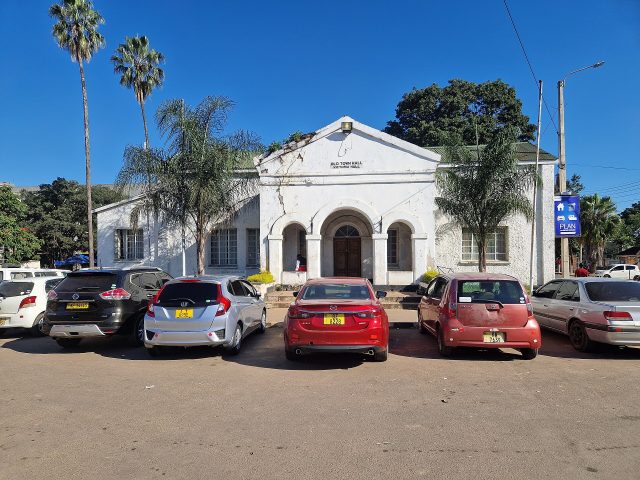
Chichiri Museum in Blantyre is one of those quiet places where history isn’t told through grand displays or dramatic exhibits, but through the small, accumulated details that reveal a country’s past. Housed in a colonial-era building that once served as the administrative hub of British Nyasaland, the museum itself is part of the story. The high ceilings, heavy wooden doors, and shaded verandas overlooking the hills evoke an era when Blantyre was a center of trade and governance. Today, the building holds a collection that offers a glimpse into how life unfolded in this corner of Africa—from ancient tools to faded photographs of early European settlers.
The museum’s collection is built around archaeology, ethnography, and documents that trace Malawi’s history. Stone axes and pottery shards unearthed in the Shire Valley speak to a time long before colonial rule, when people lived, worked, and shaped the land. The exhibits dedicated to the Chewa, Nyanja, and Tumbuka peoples—traditional instruments, intricately patterned fabrics, and ceremonial masks—go beyond mere artifacts. They reveal how communities passed down knowledge, how rituals bound people together, and how everyday objects carried meaning. These aren’t just items behind glass; they’re fragments of a living culture.
A separate section focuses on the colonial period, where photographs, maps, and personal belongings of administrators, missionaries, and traders paint a picture of the late 19th and early 20th centuries. Old newspapers printed in Blantyre, yellowed letters, and samples of goods like tea, tobacco, and cotton show the complexities of that era—not as a celebration of colonialism, but as a record of how two worlds collided. The exhibits don’t shy away from the tensions or the changes that reshaped daily life, offering a nuanced look at a time when new systems were imposed on old traditions.
The struggle for independence is another key theme. Posters, pamphlets, and photographs document the rise of the Malawi Congress Party and its leader, Hastings Banda, capturing the hopes and challenges of a nation moving toward self-rule. Nearby, exhibits on the early years of independence—first banknotes, images of new roads and schools, and documents about the creation of national parks—show how the country began to forge its own path. Together, these displays create a sense of continuity, linking the past to the present in a way that feels personal rather than abstract.
What makes Chichiri unique is its restraint. There are no flashy dioramas or interactive screens, just carefully curated exhibits where each object has a story. A rusted bicycle once used to deliver mail to villages, a display of beaded jewelry accompanied by recordings of artisans explaining the symbolism behind each pattern—these details make the museum feel alive. It’s not about overwhelming visitors with information, but about inviting them to slow down and engage with the past on a human scale.
Blantyre is often seen as a stopover on the way to Lake Malawi or the country’s national parks, but Chichiri Museum reminds visitors that the city has its own depth. Tucked away in a quiet neighborhood, far from the bustle of markets and main roads, the museum has a peaceful atmosphere. Many people end up spending more time there than they planned, lingering over photographs, reading the labels, or simply sitting on the veranda with a cup of tea. Without crowds or pressure, it’s easy to take in the exhibits at your own pace, letting the details sink in.
The museum isn’t just about static displays. Occasionally, it hosts lectures, workshops on traditional crafts, and small concerts by local musicians. These events draw both tourists and Blantyre residents, turning Chichiri into a place where people connect with their own history. School groups are frequent visitors, with children learning about Malawi’s cultures, trying their hand at old tools, or playing traditional instruments. These activities make the museum more than a repository of the past—they make it a living part of the community.
Chichiri won’t impress anyone looking for a world-class museum experience, and that’s part of its charm. It doesn’t aim to dazzle with scale or spectacle; it simply preserves the past and shares it with those who are willing to listen. For travelers passing through Blantyre, it can be an unexpected discovery—a place where there’s no rush, no scripted tour, just the quiet invitation to explore. You can wander the halls, stopping wherever something catches your eye, piecing together the fragments of history into something meaningful.
More than just a record of Malawi’s past, Chichiri Museum is a reflection on how history is written. Through objects, photographs, documents, and memories, it shows how the past lingers in the present. There are no easy answers here, just the chance to ask questions and find your own connections. For some, it’s a pleasant way to spend an hour or two out of the heat; for others, it’s a reminder that history isn’t just about dates and events, but about people. Either way, by the time you leave, Blantyre feels less like a dot on a map and more like a place with its own story to tell.