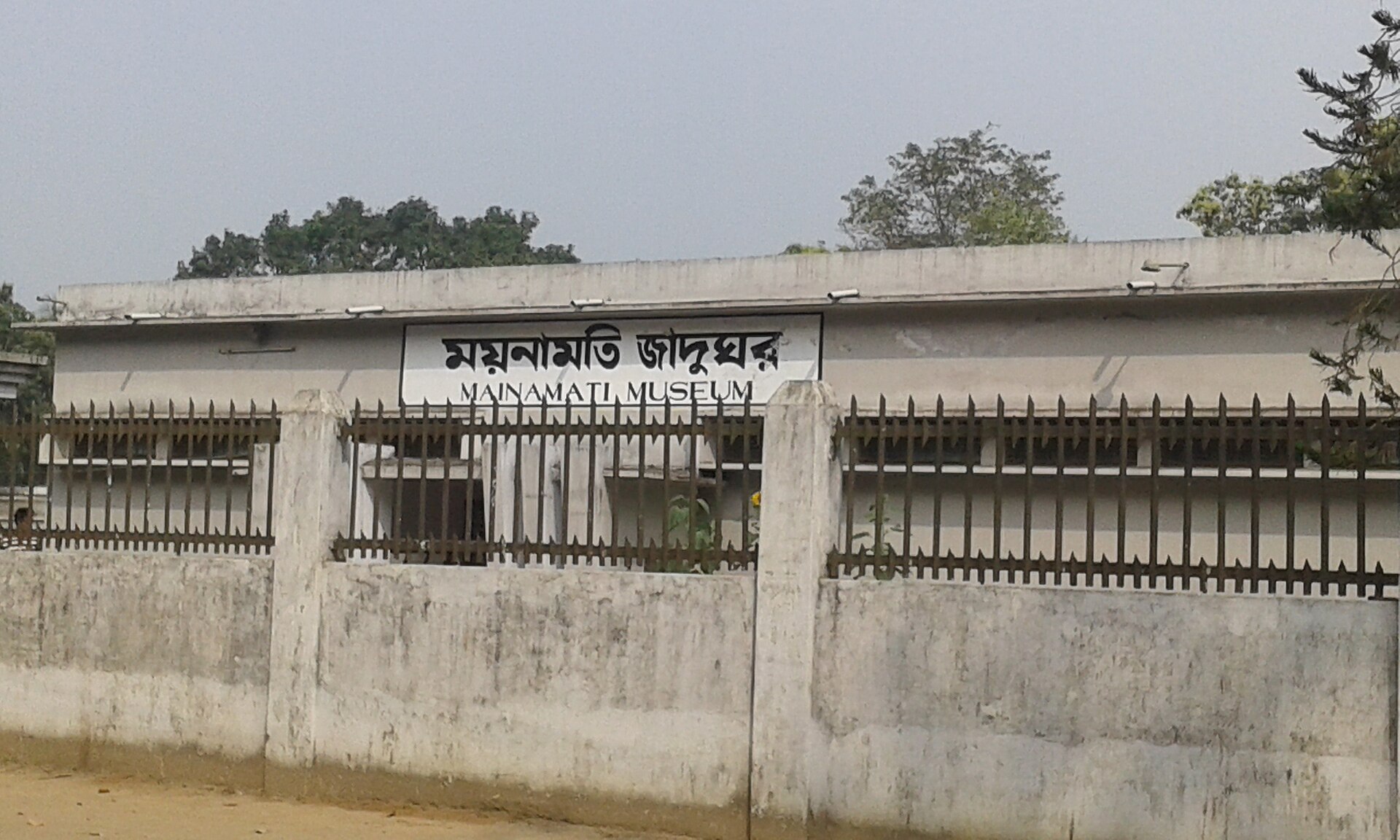
Mainamati is one of those places where history feels alive, not just preserved behind glass. Tucked in the quiet outskirts of Comilla, this archaeological site and museum offer a rare glimpse into the past of Bengal, long before the region became Bangladesh. The name itself comes from the legendary Queen Maynamati, a figure woven into local folklore, though the ruins here tell a story far older than the legends that surround her. For anyone curious about the layers of civilization that once thrived in this part of South Asia, Mainamati is a place where the earth still holds secrets.
The site is best known for its collection of Buddhist ruins, scattered across a low range of hills that rise gently from the surrounding plains. These remnants date back to the 8th and 12th centuries, a time when this area was part of the ancient kingdom of Samatata, a center of Buddhist learning and culture. The most significant structures here are the remains of viharas—monastic complexes where monks lived, studied, and meditated. The largest of these, Salban Vihara, was once a sprawling quadrangle with over 100 cells arranged around a central courtyard. Walking through what’s left of its brick walls, you can almost hear the quiet murmur of scholarly debates and the soft rustle of robes.
The Mainamati Museum stands as the custodian of these discoveries, housing artifacts unearthed from the ruins over decades of excavation. Inside, the collection is modest but revealing: terracotta plaques, bronze statues of the Buddha, coins, pottery, and inscriptions in ancient scripts. Some of the most striking pieces are the stone sculptures, their details worn by time but still expressive—serene faces of the Buddha, intricate carvings of deities, and scenes from daily life in a long-gone era. The museum doesn’t overwhelm with grandeur, but it doesn’t need to. Each object here is a fragment of a larger story, one that connects the dots between religion, art, and the everyday lives of people who lived more than a thousand years ago.
What makes Mainamati different from other archaeological sites is its setting. Unlike the more famous ruins in crowded cities, this place is surrounded by quiet countryside. The hills are covered in patches of greenery, and the air carries the scent of earth and distant fields. There’s a sense of stillness here, as if the land itself is holding its breath, waiting for visitors to step into its past. The ruins are spread out, so exploring them means wandering along dirt paths, climbing small slopes, and occasionally pausing to take in the view of the plains stretching into the distance. It’s not a place for hurried sightseeing; it rewards those who take their time.
The history of Mainamati is also a reminder of how fluid borders and cultures have always been in this region. While the ruins are Buddhist, the area later became a part of the Hindu and Islamic kingdoms that shaped Bengal’s identity. The artifacts here reflect that layered past—Buddhist relics alongside Hindu icons, and later, traces of Muslim influence. This blending of traditions is part of what makes Mainamati fascinating. It’s not just a snapshot of one religion or era but a crossroads where different worlds intersected.
For locals, Mainamati is more than just an archaeological site. It’s a place tied to memory and pride, especially in Comilla, where the ruins are a point of quiet significance. School groups often visit, and on weekends, families come to walk among the ancient bricks, pointing out details to children who may not yet understand the weight of history beneath their feet. The site doesn’t draw the same crowds as the more famous landmarks in Dhaka or Chittagong, which means you’re likely to have much of it to yourself. That solitude adds to the experience—there’s space to think, to imagine, to feel the passage of time.
Visiting Mainamati isn’t about ticking off a tourist checklist. It’s about stepping into a story that’s still being uncovered. The excavations here have been ongoing for decades, and new discoveries are made from time to time, adding pieces to the puzzle. The site is well-maintained but not overly polished; the ruins are left in a state that feels authentic, not sanitized for mass tourism. That rawness is part of its charm. You won’t find flashy exhibits or guided tours with dramatic narratives, but you will find something more valuable: a direct, unfiltered connection to the past.
If you’re planning a visit, it’s worth setting aside a few hours to explore both the museum and the ruins. The best time to come is during the cooler months, from November to February, when the weather is pleasant and the countryside is lush. There’s no grand entrance or elaborate signage, just a simple gate leading to a place where history feels close enough to touch. Whether you’re drawn by the archaeology, the quiet beauty of the landscape, or simply the chance to step away from the noise of modern life, Mainamati offers a rare kind of journey—one that lingers long after you’ve left.