Alba Carolina Fortress is one of those rare places where history isn’t just something you read about—it’s something you can almost touch. Perched on a hill above the city of Alba Iulia in the heart of Transylvania, its massive stone walls have witnessed centuries of change: coronations and wars, the rise and fall of empires, and the birth of a nation. Today, the fortress isn’t just an architectural monument; it’s an open-air museum where every cobblestone and bastion seems to whisper stories of the past.
The fortress as we know it today took shape in the early 18th century under the orders of Emperor Charles VI of the Habsburg Monarchy. Designed by Italian architect Giovanni Morando Visconti, it was conceived as an impregnable stronghold on the empire’s eastern frontier, a defense against Ottoman incursions. The construction, which spanned two decades, followed the principles of Vauban-style fortifications, resulting in a star-shaped citadel with seven bastions. The design wasn’t just practical—it was a statement of power, a symbol of Habsburg control over these lands.
But Alba Carolina wasn’t always this way. Long before the Habsburgs arrived, the site had been a place of strategic importance. In the 2nd century, the Romans built a fortress here called Apulum, a key outpost in their province of Dacia. Later, a medieval castle stood in its place, and by the 16th century, it had become the residence of Transylvanian princes. The Habsburg fortress, however, gave the site its current form. Its construction was a massive undertaking, involving not just skilled craftsmen but also local peasants, artisans, and even prisoners, whose labor was part of their feudal obligations.
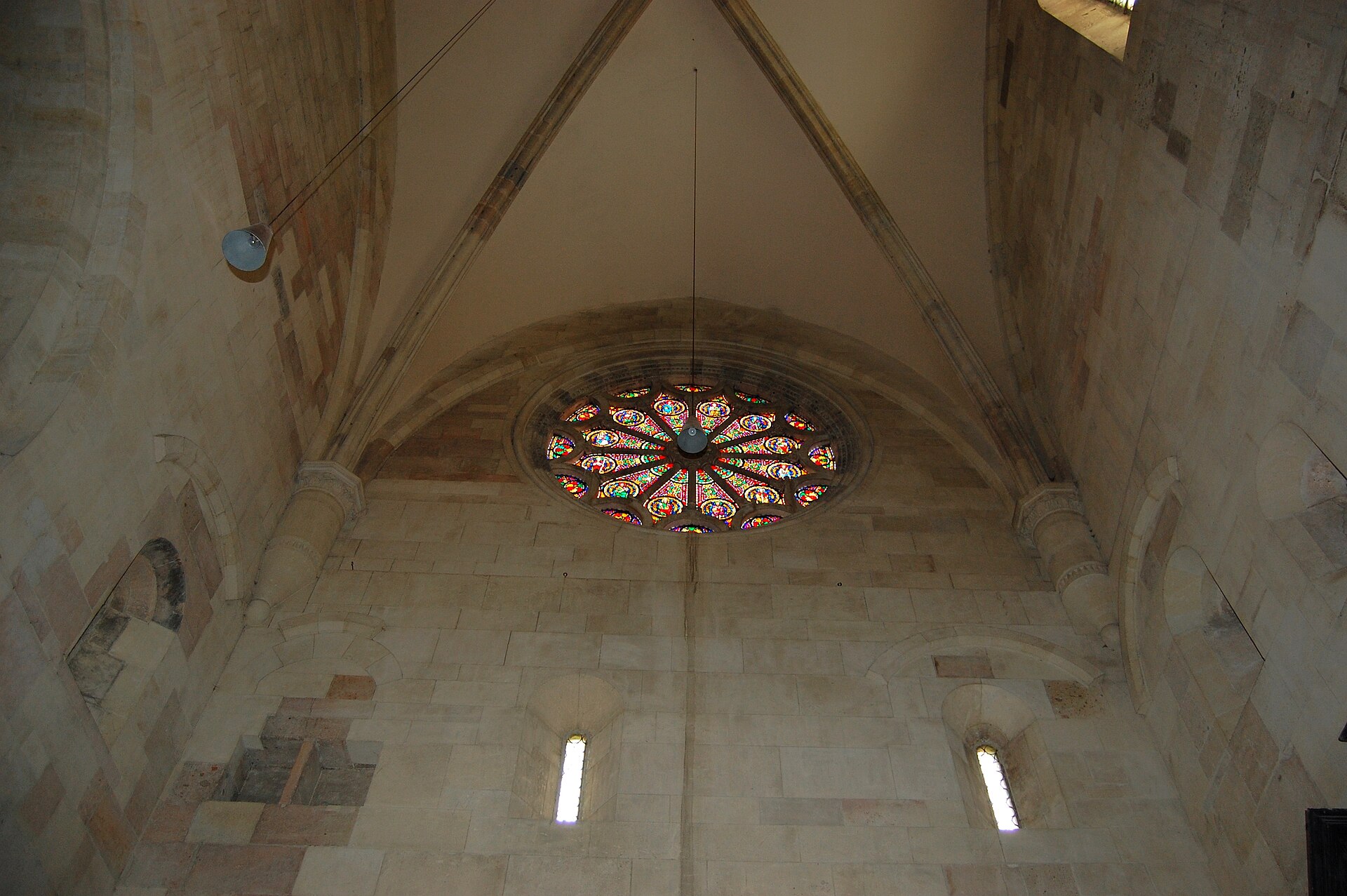
Inside the fortress walls, a collection of buildings tells the story of different eras. The most striking is St. Michael’s Cathedral, a Gothic masterpiece dating back to the 13th century. This was the stage for some of Romania’s most pivotal moments. In 1599, Michael the Brave was crowned here, briefly uniting Wallachia, Transylvania, and Moldavia under one rule—a fleeting but symbolic moment of unity. Over three centuries later, in 1922, the cathedral hosted another coronation: that of King Ferdinand I and Queen Marie, a ceremony that marked the official unification of Greater Romania.
Another key site within the fortress is the Trinitarian Bastion, named after the monastic order that once occupied it. Today, it houses the Union Museum, dedicated to the events of 1918 when Alba Iulia became the stage for the Great Union, the moment when Transylvania formally joined Romania. The museum’s exhibits—old maps, military uniforms, faded newspapers, and personal letters—paint a vivid picture of the era. Walking through its halls, you can almost hear the echoes of the crowds that gathered here over a century ago to celebrate a new chapter in the nation’s history.
Exploring Alba Carolina is like stepping into a living history book. The wide, cobblestone paths wind past old barracks, armories, and powder magazines, each building a relic of its time. In the warmer months, the fortress buzzes with tourists, but it’s easy to escape the crowds. A short walk off the main routes leads to quiet corners where the only sounds are the rustling of leaves and the distant chime of a clock tower. The best time to visit is at dusk, when the setting sun casts a golden glow over the bastions, and the shadows stretch long and mysterious across the courtyards.
For Romanians, Alba Carolina is more than just a tourist attraction—it’s a symbol of national identity. It was here, on December 1, 1918, that the Great Union was proclaimed, bringing together the historical regions of Romania into a single state. Every year on this date, the fortress becomes the focal point of celebrations, with official ceremonies, parades, and cultural events. The air fills with music, flags, and speeches, a reminder of the struggles and triumphs that shaped the country.
Even today, the fortress remains a vibrant part of life in Alba Iulia. Museums, cafes, and small shops selling local crafts keep the place alive, while summer festivals and historical reenactments draw visitors from across the country. Yet, even on quiet days, Alba Carolina retains its magic. It’s a place where the past isn’t just preserved—it’s still very much present, a tangible link between the stories of yesterday and the lives of those who walk its paths today.