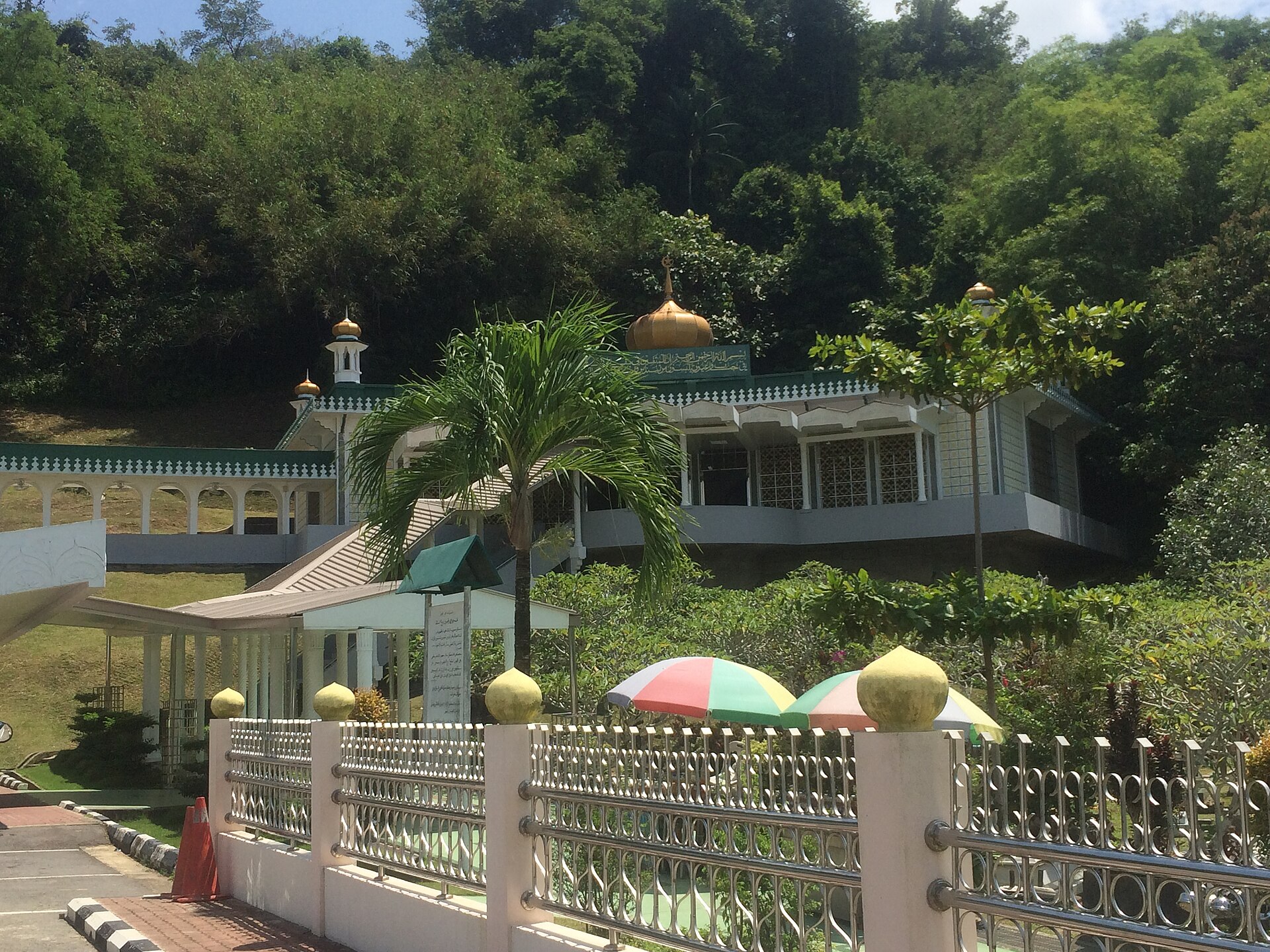
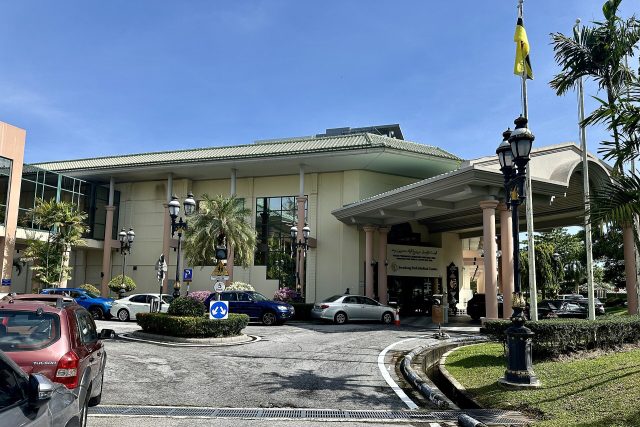
The Royal Mausoleum of Brunei sits quietly in Sengkurong, a world away from the country’s more frequented landmarks. This is where the sultans of Brunei rest, their final resting place marked by a simplicity that speaks volumes about the nation’s values. Unlike the grand tombs of other monarchies, this mausoleum carries itself with a quiet dignity, shaped by Islamic traditions and the understated elegance of Bruneian culture. It’s a place where history feels tangible, where the weight of centuries lingers in the air.
The architecture here is unassuming yet striking. The main structure follows the traditional Bruneian style, blending Malay and Islamic influences. White walls rise gently, crowned by domes that curve softly against the sky, while arched doorways frame the entrance. The surrounding complex is lush with greenery, the trees and plants adding to the sense of serenity. Inside, there are no ornate carvings or gilded inscriptions—just the modest graves, draped in cloth as is customary in Islamic burial traditions. The absence of extravagance doesn’t diminish the place; if anything, it makes the reverence feel more profound.
For Bruneians, the mausoleum is more than a historical site. It’s a place of remembrance, where the legacy of the sultans who shaped the nation is honored. Locals come here to pay their respects, to reflect on the rulers who guided Brunei through centuries of change. During religious festivals, the mausoleum becomes a gathering point, filled with the murmur of prayers and the quiet hum of shared history. It’s a living connection to the past, one that remains deeply woven into the fabric of daily life.
The mausoleum’s story is inseparable from Brunei’s own. The earliest burials here date back to the 16th century, a time when the sultanate was at its peak. Brunei was a maritime power then, controlling trade routes that linked Asia and Europe. The sultans interred here ruled over an empire that was a cultural and economic hub in the region. Later, as colonial powers rose and Brunei’s influence waned, the mausoleum became a symbol of resilience, a reminder that the sultanate’s legacy endured even through periods of decline.
Visiting the mausoleum offers a rare glimpse into Brunei’s layered history. There are no crowds here, no hurried tourists snapping photos. Instead, there’s a stillness that invites contemplation. The rustle of leaves and the distant call of birds are the only sounds, creating an atmosphere where time seems to slow. For those interested in Southeast Asian history, this place is a quiet revelation. It holds the memory of a time when Brunei was a key player in the region, long before its modern wealth reshaped its identity.
The mausoleum is set within a small park, a peaceful space where visitors can wander and take in the surroundings. There are no rigid rules, but it’s understood that this is a place of respect. Photography inside isn’t customary, and modest dress is expected, in keeping with Islamic traditions. These guidelines aren’t restrictive; they simply reflect the mausoleum’s significance. It’s a place where reverence comes naturally, where the act of visiting feels like stepping into a different rhythm of time.
Brunei today is often associated with its oil wealth and modern opulence, but the Royal Mausoleum tells a different story. It’s a reminder that the nation’s history stretches far beyond its current prosperity. Long before the gleaming mosques and skyscrapers, Brunei was a kingdom with deep traditions, and this mausoleum is one of the few places where those traditions are still palpable. For travelers who want to understand Brunei beyond its surface, the mausoleum offers a deeper, more nuanced perspective.
There’s something quietly powerful about standing in a place where history is not just remembered but actively honored. The Royal Mausoleum of Brunei doesn’t demand attention; it earns it through its understated presence. It’s a place where the past isn’t just preserved—it’s lived, in the quiet footsteps of those who come to pay their respects. For anyone willing to look beyond the obvious, it’s a window into the soul of a nation.