Qorikancha sits at the heart of Cusco, a place where the weight of history presses against your skin. Long before the Spanish arrived, this was the most sacred site in the Inca Empire, a temple so revered that its name alone—Intikancha, the Temple of the Sun—evoked the divine. The Incas built it as a physical manifestation of their cosmos, a place where the earthly and the celestial met. Even now, walking through its remnants, you can sense the quiet power that once radiated from these walls.
The temple was more than a religious center; it was the axis around which Inca life revolved. Priests tracked the movements of the sun, moon, and stars from its chambers, determining the rhythms of planting and harvest. Gold lined the interiors, not as mere decoration but as a sacred offering, a reflection of the sun god Inti’s brilliance. The walls, constructed from precisely cut stones fitted together without mortar, were engineered to withstand earthquakes—a testament to Inca ingenuity. When the Spanish conquered Cusco in the 16th century, they stripped the temple of its gold, melting it down into ingots, but the stonework remained, too massive to dismantle.
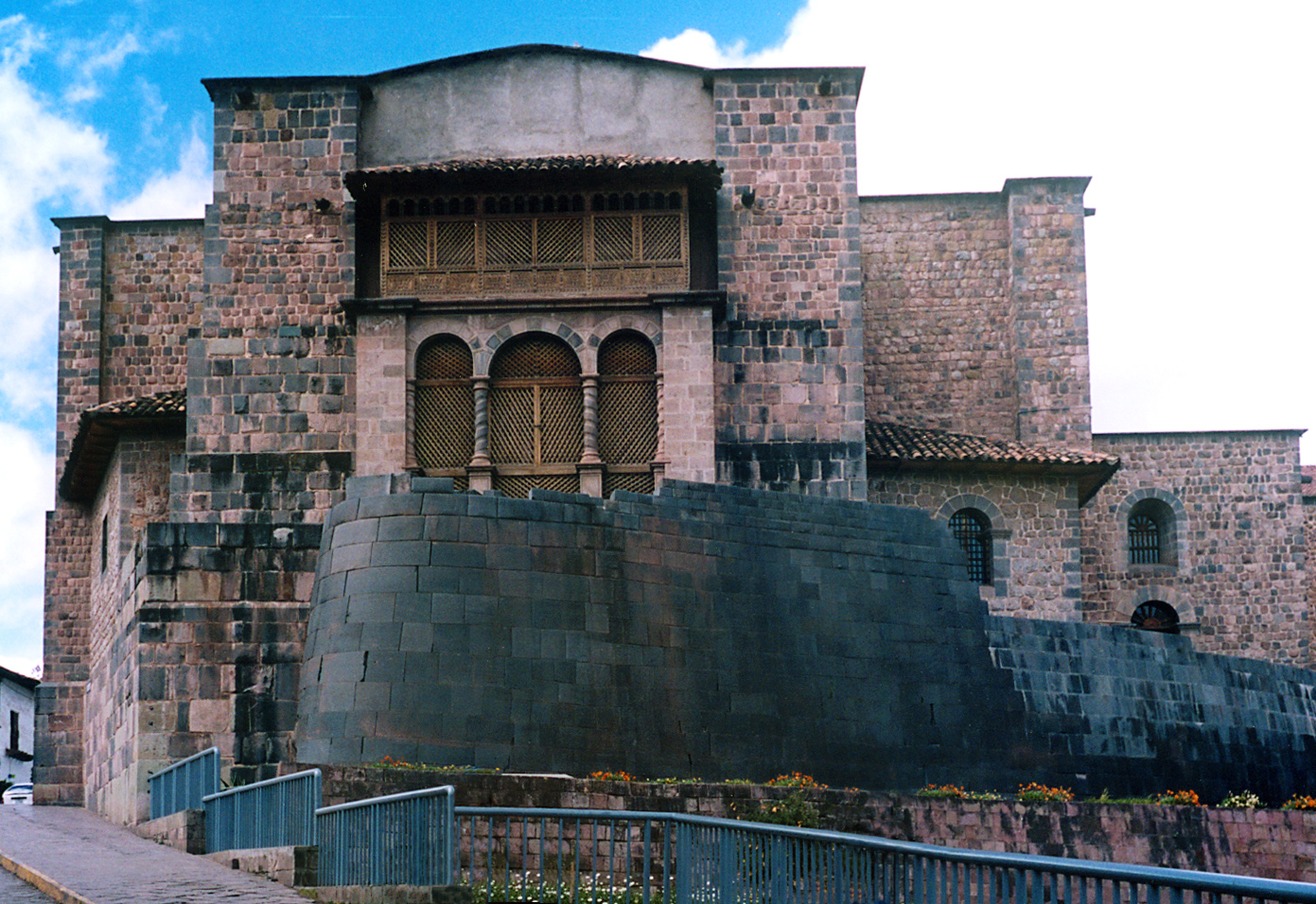
What stands today is a fusion of two worlds. The Spanish built the Convent of Santo Domingo atop the Inca foundations, incorporating the original walls into their own design. The result is a striking contrast: the smooth, cyclopean masonry of the Incas supporting the arched doorways and baroque flourishes of colonial architecture. In the convent’s courtyard, you can still trace the outline of the ancient temple’s sacred space, where rituals once unfolded under the open sky. Some of the original Inca walls rise unadorned beside the convent’s ornate chapels, their simplicity a quiet rebuke to the opulence layered over them.
The site is a palimpsest of belief. The Incas saw Qorikancha as the navel of the world, a place where the sun’s rays were captured and channeled into the earth. The Spanish, in turn, repurposed it as a symbol of their own faith, covering Inca carvings with Christian frescoes and dedicating the space to Saint Dominic. Yet beneath the colonial veneer, the old stories persist. During the solstices, sunlight still streams through carefully aligned windows, just as it did centuries ago, illuminating the same stones that once gleamed with gold. It’s a moment that feels almost deliberate, as if the temple itself refuses to let its past be erased.
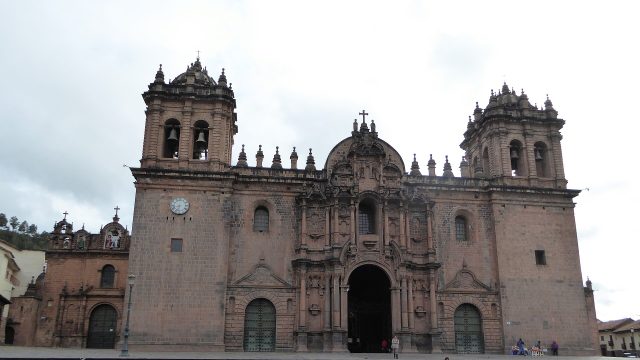
Cusco grew up around Qorikancha, and the city’s identity is still intertwined with its legacy. The temple was the starting point for the ceque system, a network of sacred lines radiating outward to connect the empire’s most important sites. Even now, the streets of Cusco follow paths laid down by Inca engineers, and the city’s festivals often echo pre-Columbian traditions. Walking from the Plaza de Armas to Qorikancha, you pass through layers of history—colonial churches built atop Inca palaces, markets where Quechua is spoken alongside Spanish, and walls where the two civilizations are literally fused together.
Inside the convent, the air is cool and still. The colonial-era frescoes depict saints and biblical scenes, their colors faded but still vibrant. Below them, in the dimly lit chambers, lie the remnants of Inca rooms, their purpose now lost to time. Some visitors come for the history, others for the atmosphere—a sense of continuity that lingers in the stone. The Incas believed this was a place where the divine touched the earth, and even now, it’s hard not to feel something of that reverence.
Qorikancha is not a ruin in the traditional sense. It’s a living site, one that has absorbed centuries of change without losing its essence. For Peruvians, it remains a symbol of resilience, a reminder of what endured even after conquest. For travelers, it offers a rare chance to stand in a space where two empires, two religions, and two ways of understanding the world overlap. The temple doesn’t just tell a story; it lets you step inside it, to feel the past pressing against the present in a way that few places can.