Medellín’s Comuna 13 is where the city’s past and present collide. Once one of Colombia’s most dangerous neighborhoods, it has rewritten its own story. The streets here don’t feel like a museum exhibit—they’re a place where a community’s pulse is raw and unfiltered. Walking through them, you step into a narrative that speaks louder than any guidebook.
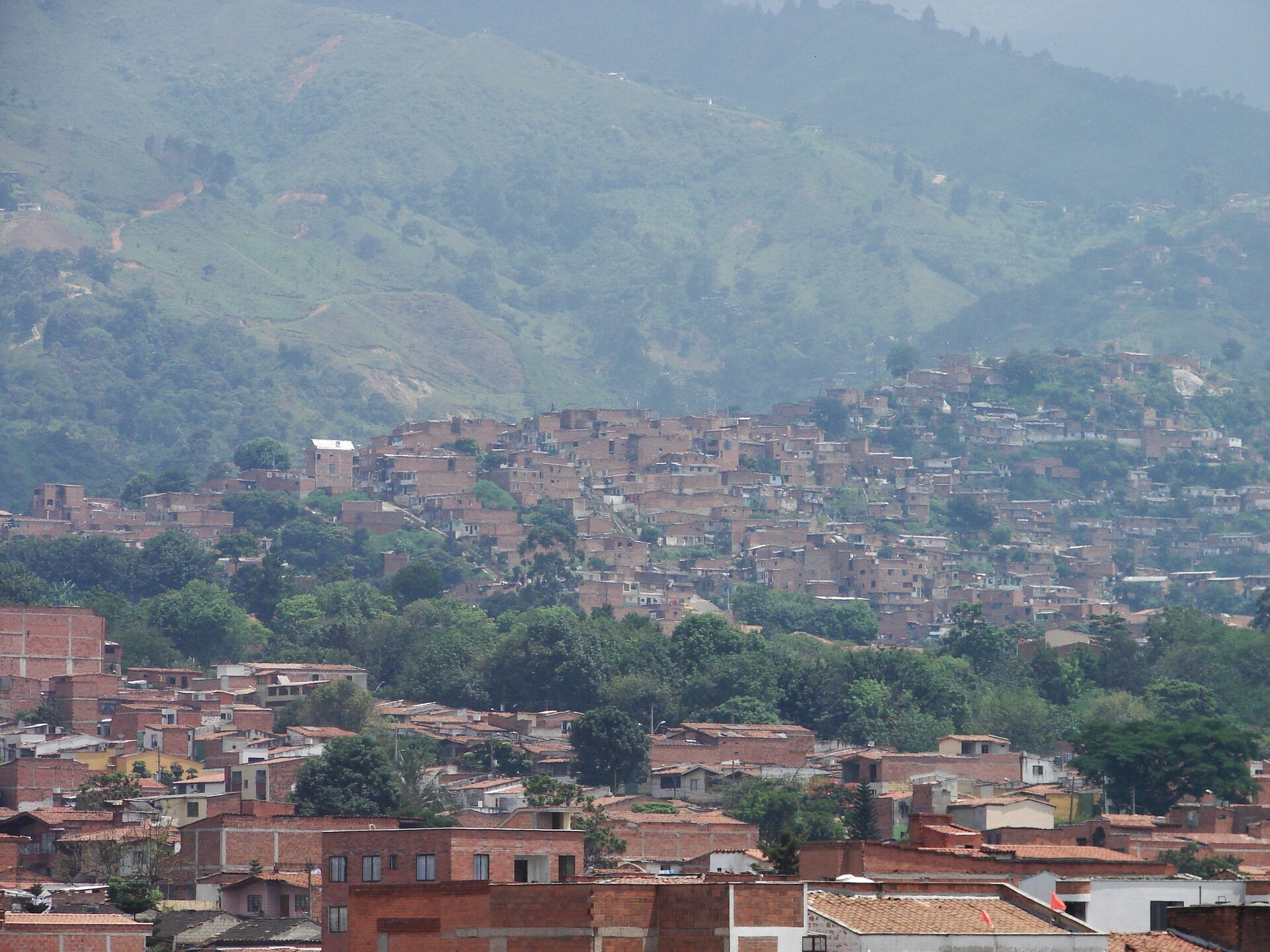
Comuna 13 clings to the steep slopes of Medellín’s western hills. For decades, it was a place where gangs and drug traffickers held power, and even the police hesitated to enter. Poverty and fear shaped daily life until the early 2000s, when the city began social initiatives to reintegrate marginalized neighborhoods. The most visible change came with the outdoor escalators, a project that eased the climb for residents and signaled hope for the community.
The escalators stretch hundreds of meters up the hillside. The ride is free and takes about five minutes. At the bottom, the streets are tight, lined with small homes stacked on the slope. As you rise, the view opens up to Medellín below. Around the escalators, life unfolds—locals rushing to work, children playing, vendors selling snacks. Visitors take photos against the backdrop of murals, but there’s no staged tourism here. Just the rhythm of a place that has found its footing.
Every available wall in Comuna 13 is covered in murals. Some depict the struggle for peace, others honor victims of violence. Many carry messages of hope. Local artists have turned the streets into an open-air gallery, showing how art can transform a space. Some murals show real faces—children who grew up amid conflict but are now part of a new chapter. Walking through Comuna 13 is like flipping through a book, each mural revealing another layer of its history.
Beyond the art and escalators, the neighborhood is a working community. Small cafés, shops, and workshops line the streets, selling handmade souvenirs. Many of the people running these businesses are former gang members who have found new purpose in creativity. You might buy a bracelet or a bag with Comuna 13’s symbol, but the real takeaway is the conversation that comes with it. The stories here aren’t polished—there’s no glossing over the past, but there’s pride in how far the neighborhood has come.
Comuna 13 isn’t a place for luxury or fine dining. It offers something else: authenticity. The neighborhood doesn’t perform for tourists. It simply lives, and visitors are welcome to be part of that, even briefly. The people here are used to outsiders, but they don’t treat it as a spectacle. They go about their day, working, creating, and sharing their stories with those who listen.
Morning is the best time to visit, when the sun is gentle and the streets are alive. You can reach Comuna 13 by metro or join a guided tour. These aren’t typical sightseeing trips. Guides—often locals—share the neighborhood’s history, introduce visitors to artists, and sometimes offer graffiti workshops. It’s less about ticking off attractions and more about seeing the place through the eyes of those who’ve shaped it.
What makes Comuna 13 special isn’t its architecture or landmarks. It’s the people who call it home. There are no grand cathedrals here, just the quiet power of a community that refused to be defined by its past. It’s a story of how a neighborhood overcame violence and poverty. That’s why Comuna 13 isn’t just a tourist stop. It’s a reminder that change is possible.