Medellín is a city of contrasts, where the energy of urban life collides with the quiet majesty of the Andes. Perched high above the valley, Arví Park offers a rare escape—a place where the noise of the city fades into the rustling of leaves and the distant calls of birds. At nearly 2,500 meters above sea level, the park sprawls across thousands of hectares of forested slopes, a vast green expanse that feels worlds away from the bustle below. Here, the air is cooler, the pace slower, and the only sounds are those of nature reclaiming its space.
The journey to Arví is part of the experience. The most striking way to reach it is by cable car, a fifteen-minute ride that begins in the neighborhood of Santo Domingo. As the gondola ascends, the cityscape transforms—dense clusters of buildings give way to rolling hills, and the warm, humid air of Medellín cools into something crisper. The cable car isn’t just transportation; it’s a transition, a way to leave the city behind before you’ve even set foot in the park. From above, the landscape unfolds like a living map, revealing how closely the urban and the wild coexist in this part of Colombia.
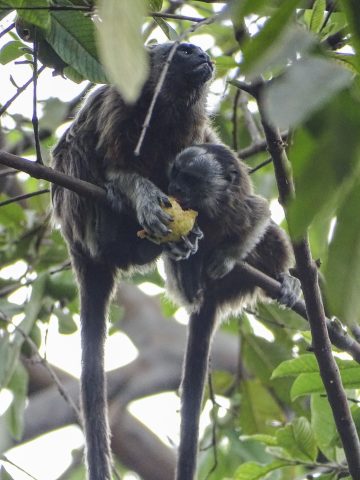
Arví isn’t just a park; it’s a protected ecosystem, a refuge for the flora and fauna of the Andean highlands. The forests here are home to hundreds of plant species, many of them unique to the region, while the trails wind past towering trees and delicate orchids. Birdwatchers will find plenty to admire—from tiny hummingbirds to larger species that dart between the branches. The park’s biodiversity is one of its greatest draws, but you don’t need to be an expert to appreciate it. Well-marked paths lead to scenic overlooks, where the mountains stretch endlessly, their slopes covered in a patchwork of green.
The park’s history is intertwined with Medellín’s growth. For much of the 20th century, this area remained largely untouched, a quiet corner of the valley where farmers worked the land. As the city expanded, so did the need for green spaces where residents could escape the urban grind. In the 2000s, local authorities began developing Arví into a public park, balancing conservation with accessibility. Today, it’s one of the region’s most beloved natural retreats, a place where people come not just to visit, but to learn. Educational programs teach visitors about the importance of preserving these ecosystems, while researchers study the delicate balance of life in the Andes.
Walking through Arví feels like stepping into another version of Colombia—one that’s far removed from the beaches and colonial towns that dominate travel guides. The trails meander past small farms where locals grow vegetables and flowers, their plots a reminder of the region’s agricultural roots. Clear streams cut through the landscape, feeding into the Medellín River, while traditional adobe houses dot the hillsides. It’s a side of the country that’s often overlooked, a slower, more introspective rhythm that contrasts with the vibrant energy of the city below.
Beyond its natural beauty, Arví offers a few cultural touches. A small museum on-site delves into the history of the region, explaining how the Andean landscape was shaped over millennia and why these ecosystems matter. Interactive exhibits and workshops make the science accessible, especially for children, who can learn about everything from local wildlife to sustainable farming practices. It’s a low-key introduction to the environment, one that doesn’t feel like a lecture but rather an invitation to look closer.
There’s no set way to experience Arví. Some visitors spend hours wandering the trails, while others come just to sit on a bench and watch the clouds drift over the mountains. Weekends bring families, hikers, and tourists, all seeking a break from the city, but the park’s vastness means it never feels crowded. You can pack a picnic, bring a book, or simply wander without a plan. The lack of strict rules or schedules makes it feel like a place where time doesn’t matter as much as the moment.
The weather here is cooler than in Medellín, with a crispness that lingers even in the middle of the day. Mornings and evenings can be chilly, and rain is more frequent, so a light jacket and sturdy shoes are a good idea. The trails can be damp, and the wind at higher elevations has a bite to it. There are no restaurants or cafés inside the park, so bringing water and snacks is wise, though you might stumble upon a local vendor selling fresh fruit or baked goods. It’s a place that rewards preparation but doesn’t demand it.
Arví is more than just a park—it’s a reminder of Medellín’s relationship with the land. The city has grown around these mountains, and the park stands as a testament to the idea that urban life and nature don’t have to be at odds. Here, you’ll see children running along the paths, tourists snapping photos of the views, and farmers tending to their crops, all coexisting in the same space. It’s a place where the pace of life slows down, where the noise of the city fades into the background, and where you can remember what it’s like to simply be still. For those who live in Medellín, it’s a backyard escape; for visitors, it’s a glimpse into the quieter, wilder side of Colombia.