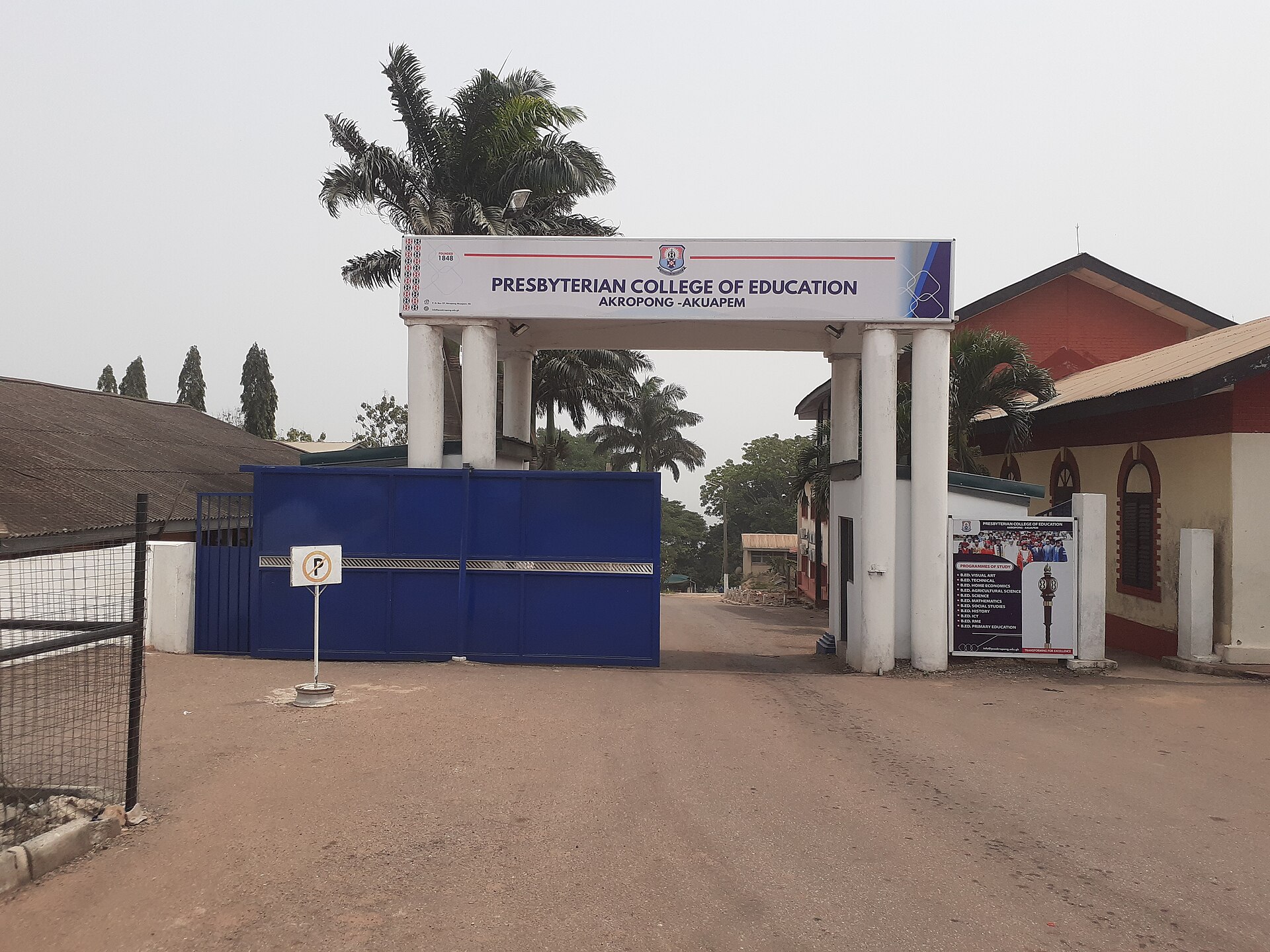
Akropong sits in the hills of Ghana’s Eastern Region. The air smells of cocoa and rain-soaked earth. It’s a quiet town, not one that draws crowds. Yet for those who come, the Presbyterian College of Education is a landmark of the country’s intellectual and spiritual history. Founded in 1848, it is one of the oldest institutions of higher learning in West Africa. Its colonial-era buildings and ancient trees hold stories of the past.
The college started as a mission school. Swiss and German missionaries arrived in the Gold Coast to train teachers and spread education. At the time, formal schooling was rare. Educating local populations—especially women—was a radical idea. The first classrooms were built with materials from the surrounding forests. Early students learned under thatched roofs. Over time, the school grew into a respected college that shaped generations of educators.
The campus architecture tells its history. The oldest buildings are made of sun-baked brick and timber. Their wide verandas catch the breeze in the humid climate. Mid-20th century additions use concrete and glass, reflecting post-independence Ghana. Even these newer structures feel part of the landscape, blending into the hills rather than standing out.
The college remains an active center of learning. Students from across Ghana and beyond study education, theology, and the liberal arts. During the academic year, the campus is alive—students talking under trees, lectures drifting from windows, hymns from the chapel. The Presbyterian influence is strong in daily life. Morning assemblies, Sunday services, and a quiet discipline reflect its missionary roots.
The hills around Akropong are covered in cocoa farms. On clear days, the view stretches to distant mountains. The town is small but lively. Its market spills into the streets, selling fresh fruit and handwoven cloth. The college is a short walk from the center, yet it feels separate—a place where time moves differently.
The Presbyterian College of Education isn’t a typical tourist spot. There are no grand monuments or guided tours. Instead, it offers a quiet look into Ghana’s history. Its significance lies in its continuity. It has adapted over nearly two centuries while keeping its original purpose. Here, education, faith, and community have been nurtured for generations. Past and present coexist in harmony.
If you visit Akropong, explore the college on foot. Walk the paths between buildings. Pause under a mango tree. Sit on a bench overlooking the valley. The campus is open to the public. Some areas are for students and staff, but there’s a sense of welcome. You might talk to a student or lecturer. Many enjoy sharing stories about the college’s history or their own experiences.
The college doesn’t demand attention. But it rewards those who notice. It shows how institutions shape a nation—not through grand gestures, but through teaching, learning, and passing knowledge between generations. In a country that has changed so much since the missionaries’ time, the college bridges eras. Here, the past isn’t just remembered. It’s still in use.