
Akropong
Ghana · 8 places
Photo: Kandymotownie, CC BY-SA 4.0
Akropong sits quietly among the hills of Ghana’s Eastern Region, far from the noise of Accra. The air is cooler here, the streets lined with greenery rather than concrete, and life moves at its own unhurried pace. From the ridges of the Akwapim-Togo range, the land unfolds in layers—valleys stretching toward distant mountains, patches of forest, and clusters of low-slung houses with tin roofs glinting in the sun. The town feels like a place where time has settled, not rushed.
The people, mostly Akan, carry themselves with a quiet warmth. Visitors aren’t met with fanfare, but if you stay awhile, the rhythm of daily life begins to feel familiar. Women balance baskets of produce on their heads as they walk to market, men gather under the shade of mango trees to talk, and children dart between houses, their laughter sharp and bright. There’s no urgency here, just the steady pulse of a community that knows itself well.
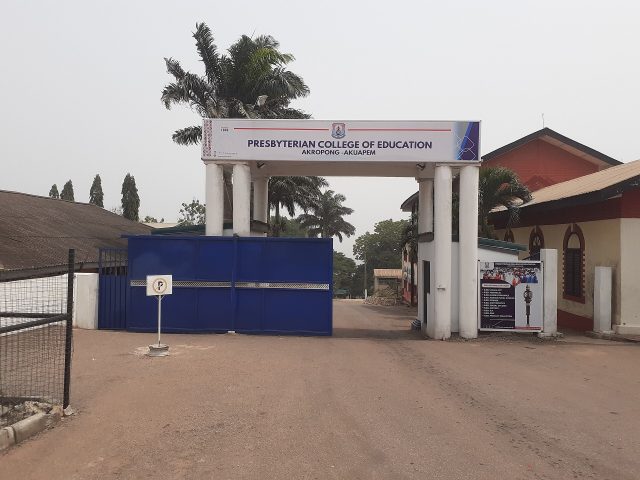
Akropong’s history is tied to education. In the 19th century, Basel missionaries arrived and built some of the country’s earliest schools and seminaries. Their legacy remains in the sturdy stone buildings with high ceilings and narrow windows, the Presbyterian college that once drew students from across West Africa, and the church with its tall bell tower. Walking through the campus, you can almost hear the echoes of debates and lessons that shaped generations of Ghanaian thinkers. The town still carries that intellectual weight, though now it’s quieter, more reflective.
The market at the foot of the hill is where the town’s energy gathers. In the mornings, women in vibrant kente and wax prints arrange piles of pineapples, plantains, and ginger on woven mats. The air smells of ripe fruit and woodsmoke. By midday, the stalls are crowded with farmers selling their harvest and shoppers haggling over prices in Twi. On weekends, the market spills over with activity—people trading news, sharing meals, or simply watching the world go by. It’s not just a place to buy food; it’s where the town’s stories unfold.
Beyond the town, the land softens into plantations of cocoa, coffee, and oil palms. The forests hide waterfalls like Akosombo, where a narrow trail leads to a cascade that roars in the rainy season and trickles delicately in the dry months. Locals speak of old rituals once performed here, of the water’s healing properties, though even without the legends, the walk itself is worth it—the cool shade, the chorus of birds, the way the light filters through the leaves. Further out, caves and lesser-known trails offer quiet escapes, places where the only sound is the wind moving through the trees.
Evenings in Akropong are slow and golden. The sun dips behind the hills, casting long shadows across the red dirt roads. Children kick footballs in open spaces, their shouts mixing with the distant beat of drums. Somewhere, a group is practicing for a festival, the rhythms of fontomfrom or agbadza drifting through the air. If you’re lucky, you might stumble upon a celebration—dancers in bright cloth, food served on banana leaves, the kind of gathering where strangers are pulled into the circle without a second thought. The town doesn’t put on a show for visitors; it simply lets you step into its flow, if only for a little while.
There’s no grand spectacle here, no must-see landmarks clamoring for attention. Akropong is the kind of place that reveals itself gradually, in the way the mist lingers over the hills at dawn, in the easy conversations between neighbors, in the quiet pride of a town that has shaped minds and held onto its traditions without fuss. It’s not a place you pass through; it’s a place you slow down for.
See & Do
8 places

Places on the map
Marker colour follows the categoryClimate and weather
Detailed weather: Akropong- Average temperature
- 27 °C
- Precipitation per year
- 1392 mm
Average air temperature
°C
28
29
28
28
28
27
26
26
26
27
28
28
Jan
Feb
Mar
Apr
May
Jun
Jul
Aug
Sep
Oct
Nov
Dec


