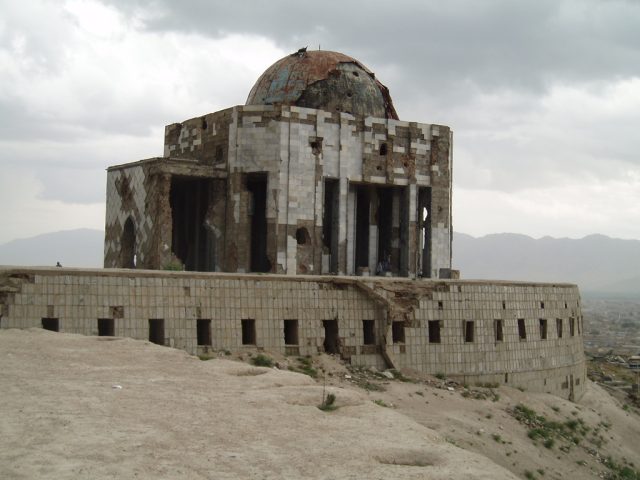
The Kabul Museum is one of those rare places where history doesn’t just sit behind glass—it lingers in the air, in the cracks of the walls, in the quiet weight of objects that have witnessed centuries of change. Founded in the early 20th century, the museum has stood through Afghanistan’s transformations: the rise and fall of monarchies, the chaos of war, and the slow, uneven work of rebuilding. It hasn’t always been the place it is today. During the civil war of the 1990s, the building was badly damaged, and parts of its collection were looted or destroyed. Yet even with those losses, what remains is enough to tell a story—of a land that was once a crossroads of civilizations, where East and West collided and blended in ways that shaped the region’s identity.
The museum’s exhibits span millennia, from prehistoric tools to artifacts of the Islamic era. Some of the most striking pieces come from the ancient cities of Bactria, Gandhara, and Ai-Khanum, which thrived in what is now Afghanistan. There are intricately carved stone slabs depicting Buddhist deities, coins bearing the likenesses of Greek rulers left behind after Alexander the Great’s campaigns, and pottery that speaks to the skill of local artisans. Each object is more than just an antique; it’s a piece of a larger puzzle, one that helps explain how this land became a melting pot of cultures.
Among the most celebrated items in the collection are the treasures of Tillya Tepe, discovered in the 1960s. These gold artifacts, dating back to the first century AD, belonged to a nomadic tribe that roamed northern Afghanistan. The collection includes delicate diadems, necklaces, and animal figurines, all crafted with remarkable precision. The discovery was a revelation, proving that even in ancient times, this region was a hub of craftsmanship and trade, where traditions from Persia, India, and Central Asia intersected.
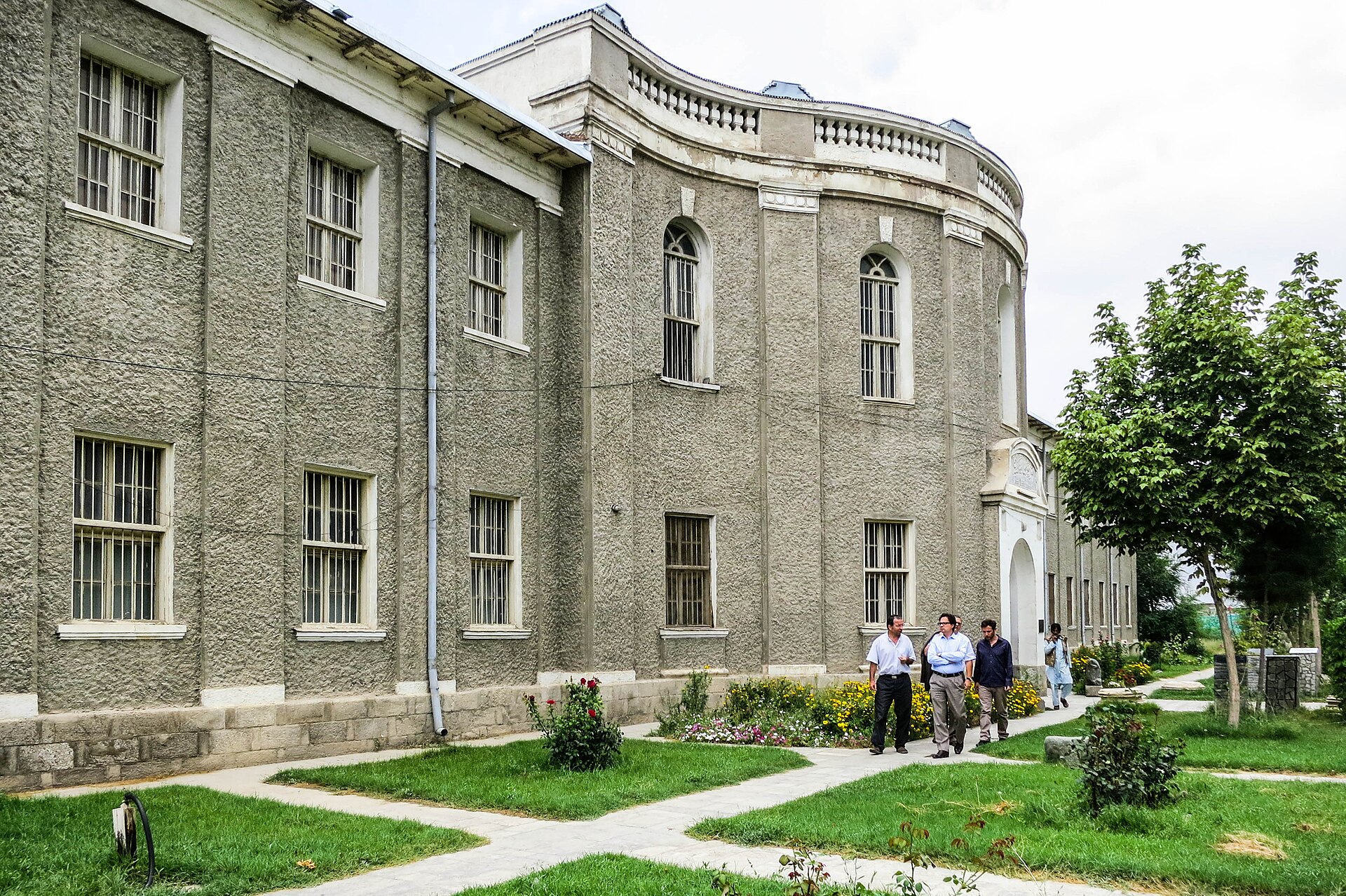
The museum building itself is worth a closer look. Constructed in the 1930s, it blends traditional Afghan architectural elements with European influences. The two-story structure, with its high ceilings and large windows, feels spacious and airy, while the inner courtyards—surrounded by galleries—echo the design of old caravanserais, where merchants once rested during their journeys. After the destruction of the 1990s, the building was restored with care, preserving as much of its original character as possible.
Today, the Kabul Museum is more than just a repository of artifacts. It’s a cultural hub, hosting exhibitions, lectures, and educational programs that help both Afghans and visitors understand the country’s layered history. Despite the challenges Afghanistan continues to face, the museum stands as a symbol of resilience—a place where the past is not just remembered but actively kept alive. For many, walking through its halls is like stepping into another time, where the echoes of ancient trade routes and forgotten empires still resonate.
The exhibits weave together a narrative of shifting beliefs, artistic styles, and daily life. Buddhist statues stand near Islamic manuscripts, Greek coins lie alongside Persian carpets, and simple tools are displayed next to the ornate jewelry of nobility. Together, they form a mosaic of cultures that have left their mark on Afghanistan, making it one of the most historically rich places in the world.
Of course, the museum can’t tell the whole story. Too much has been lost to time, conflict, or the slow decay of neglect. But what remains is enough to offer a glimpse into why this land has always drawn conquerors, traders, and explorers. The Kabul Museum isn’t just a collection of objects; it’s a living record of a past that continues to shape the present, a reminder of how much history can endure even when the world around it changes.