Toronto’s Eaton Centre isn’t just another shopping mall—it’s a place where the city’s past and present intersect in unexpected ways. Built in the 1970s on the site of the legendary Eaton’s department store, it was one of Canada’s first major retail complexes, setting the tone for how Torontonians would shop, socialize, and experience urban life for decades to come. More than just a commercial hub, it has become a living part of the city’s landscape, a space where the evolution of Toronto is visible in its architecture, its crowds, and even its quiet corners.
The design of the Eaton Centre tells a story of how functionality and beauty can coexist. Architect Eberhard Zeidler drew inspiration from European arcades and American shopping malls, but the result was something distinctly Torontonian. The most striking feature is the vast glass-vaulted ceiling that stretches the length of the complex, flooding the interior with natural light and creating an airy, almost outdoor feel. The layout mimics a city street, with shops lining either side and small plazas offering places to pause. There’s no sense of being trapped indoors—rather, it feels like an extension of the city itself, just sheltered from the elements.
The Eaton Centre’s history is deeply tied to Toronto’s identity. The original Eaton’s department store, founded in the late 19th century, was more than a place to shop—it was an institution. For generations of Canadians, a trip to Eaton’s was a ritual, a place where you could buy everything from a winter coat to a dining table, then stop for lunch in the rooftop restaurant or take the kids to the Christmas fair. When the store closed in 1999, many feared the soul of the place would disappear. Yet the Eaton Centre managed to preserve some of that legacy, even as it embraced a new era of retail. The old store’s grandeur isn’t entirely gone; traces of it linger in the details, like the preserved decorative elements tucked into certain corners.
Today, the Eaton Centre is as much a social space as it is a shopping destination. Tourists and locals alike wander its halls, not always with a purchase in mind. Some come to escape the weather, others to meet friends at a café, or simply to watch the city move through its daily rhythms. During the holidays, the centre transforms—decorations, lights, and special events evoke the festive spirit that once made Eaton’s a cornerstone of Toronto’s community life. In the summer, small concerts and pop-up exhibitions turn the mall into an impromptu public square, blurring the line between commerce and culture.
One of the Eaton Centre’s most recognizable features is Michael Snow’s sculpture *Flight Stop*, a flock of 60 bronze geese suspended mid-flight beneath the glass ceiling. The installation has become an unofficial symbol of the complex, adding a touch of whimsy to the urban environment. The geese seem to glide effortlessly overhead, a reminder of nature amid the city’s concrete and glass. For many visitors, it’s a favorite photo spot, a moment of levity in the midst of a shopping trip.
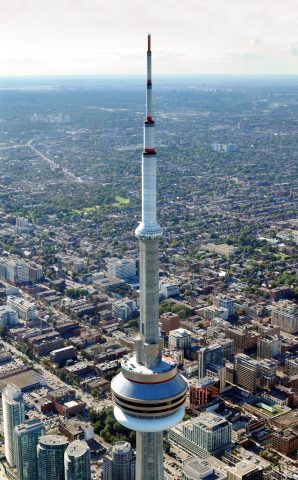
The Eaton Centre’s location in downtown Toronto makes it a natural gathering place. Situated near landmarks like the CN Tower and Union Station, it’s easily accessible by transit or on foot. The surrounding area is a mix of office towers, hotels, and cultural spaces, ensuring a steady flow of people at all hours. Even after the shops close, the centre remains alive—its illuminated storefronts and late-night cafés drawing in those who are out exploring the city.
Despite its modern identity, the Eaton Centre still carries echoes of old Toronto. Some of the original Eaton’s decor has been preserved, offering glimpses of the department store’s former grandeur. Occasionally, the centre hosts exhibits or events that celebrate the city’s history, turning the mall into a kind of open-air museum. For those curious about Toronto’s past, a walk through the Eaton Centre can feel like stepping into a layered narrative, where the present and the past coexist.
In recent years, the Eaton Centre has continued to evolve, reflecting broader changes in how people shop and socialize. Alongside familiar retail chains, you’ll find concept stores, independent boutiques, and restaurants serving everything from quick bites to gourmet meals. There are spaces designed for relaxation, not just consumption, making the centre a place where people linger rather than just pass through. It’s no longer just about buying things—it’s about experiencing the city in a way that feels both familiar and new.
What makes the Eaton Centre special isn’t just its size or its selection of stores, but the way it has woven itself into the fabric of Toronto. It’s a place where history is visible in the architecture, where the energy of the city flows through its halls, and where the line between shopping and urban life blurs. Whether you’re there to pick up a last-minute gift, meet a friend for coffee, or simply watch the world go by, the Eaton Centre remains one of those rare spaces that feels like it belongs to everyone.