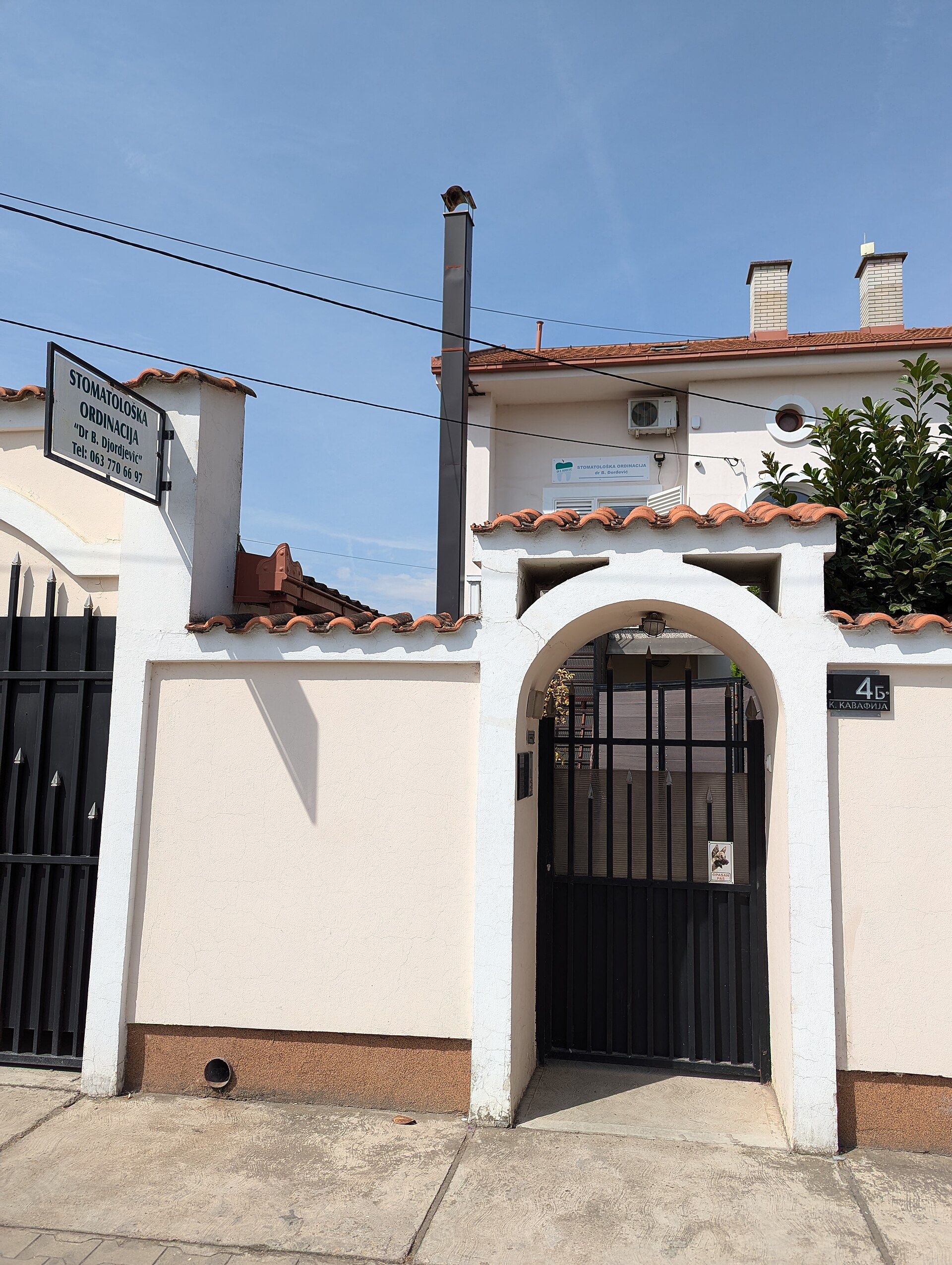
The Maize Research Institute’s branch in Inđija is one of those quiet places that rarely makes it into travel guides, yet it holds a subtle kind of significance. Tucked away in this small northern Serbian town, it operates as an outpost of the renowned Zemun Polje Institute, a name familiar to anyone with an interest in agriculture or the history of the region. For decades, this unassuming facility has been at the heart of efforts to preserve genetic diversity in crops, particularly maize—a plant that has shaped the diets and economies of entire communities across the Balkans.
The building itself is modest, almost unremarkable at first glance. But behind its walls lies work that extends far beyond the borders of Inđija. During the Soviet era, Serbia was a key supplier of maize seeds to the entire Eastern Bloc, and this institute played a role in that story. Today, researchers here continue to develop new varieties, focusing on resilience against drought and disease—challenges that grow more pressing with each passing year. The fields surrounding the institute are living laboratories, where rows of experimental hybrids stand alongside traditional strains, each representing years of careful cultivation.
For most travelers, this isn’t the kind of place that draws crowds. There are no grand exhibits or polished displays, no guided tours advertised at the town’s bus station. But if you find yourself in Inđija with a curiosity for how things actually work, it’s possible to arrange a visit. The staff occasionally show visitors around, explaining the nuances of their work—how a single seed can carry the potential to feed thousands, or how a changing climate forces constant adaptation. It’s not a museum experience; it’s a glimpse into the day-to-day realities of agricultural science, where progress is measured in harvests rather than headlines.
Inđija itself is a typical Serbian town, the kind where life moves at its own unhurried pace. There are no major landmarks or tourist hotspots, no bustling squares filled with visitors. Instead, there’s a quiet rhythm to the place, one that feels far removed from the usual travel itineraries. The institute fits neatly into this setting. It doesn’t demand attention, but it’s very much a part of the town’s fabric, a reminder that even in small places, important work is being done.
Maize is more than just a crop in Serbia—it’s woven into the country’s identity. You’ll see it growing everywhere, from family-run farms to vast industrial fields, a staple that has sustained generations. Inđija is no exception. The institute’s work here reflects that deeper connection, where research isn’t just about scientific achievement but about practical outcomes for farmers. Each new variety developed here carries the potential to improve yields, resist pests, or adapt to shifting weather patterns, making a tangible difference in the lives of those who depend on the land.
If you’ve ever driven through Vojvodina and seen those endless golden fields stretching toward the horizon, some of those plants may well trace their origins back to this very place. The institute isn’t a destination for those seeking postcard-perfect views or dramatic stories. Instead, it offers something quieter but no less real: a sense of how things function beyond the usual tourist paths. Here, the focus is on the land itself, on the labor that goes into working it, and on the science that helps ensure it can continue to feed people for years to come. It’s a reminder that some of the most meaningful places aren’t the ones that make the loudest claims, but the ones that simply get on with the work that needs doing.