Yangon University is one of those places where Myanmar’s history feels almost tangible. Founded in the late 19th century, when the country was still under British colonial rule, it was the first institution of higher education in Myanmar and for decades served as the nation’s intellectual heart. Many of the country’s most influential figures in politics, literature, and science studied here, including Aung San Suu Kyi, whose name became synonymous with the struggle for democracy. But the university is more than just an academic institution—it’s a symbol of the hopes, contradictions, and upheavals that have shaped modern Myanmar.
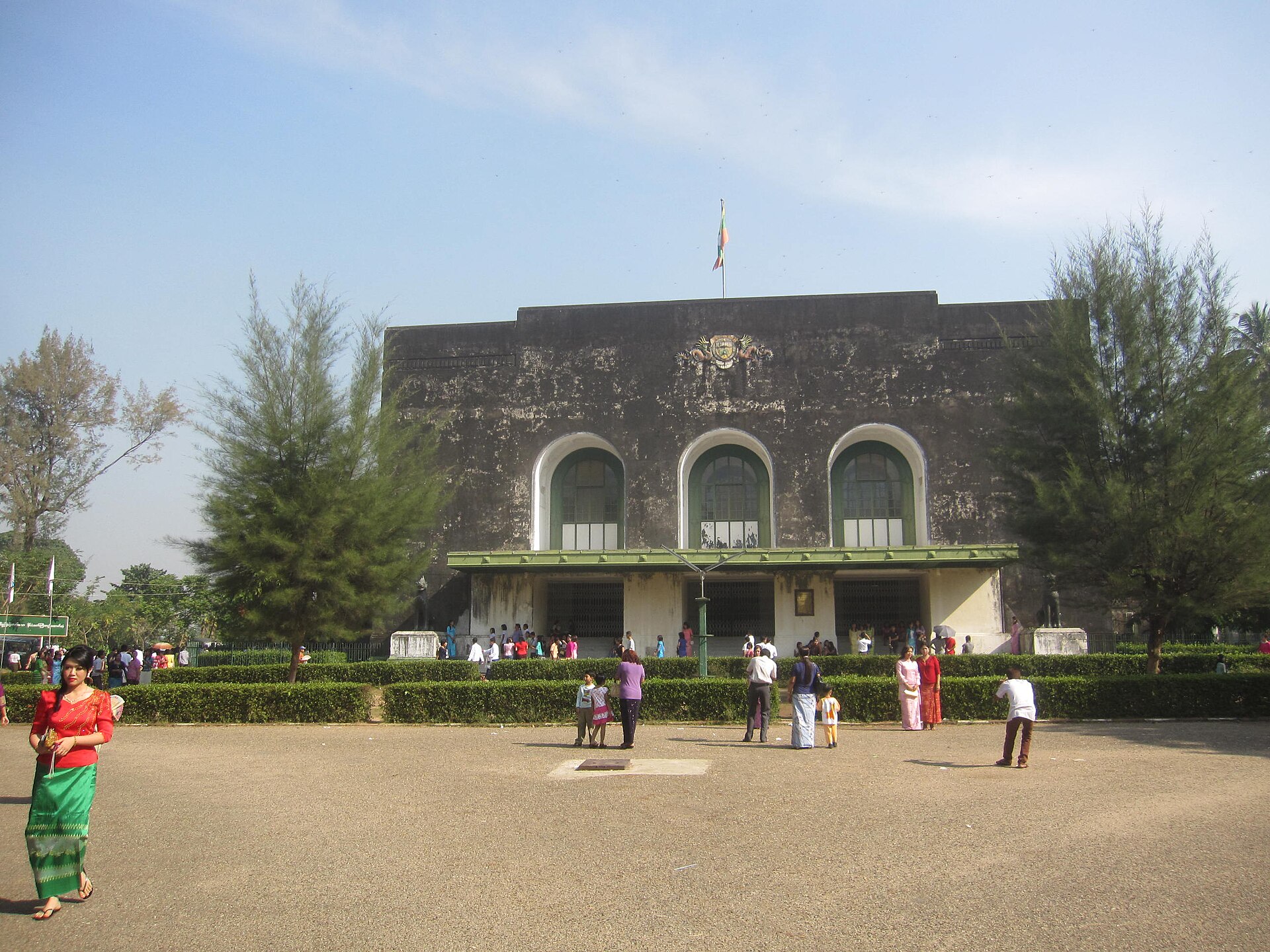
The campus architecture tells its own story, blending different eras and influences. The older buildings, with their high ceilings, wide verandas, and sturdy columns, reflect the colonial style of the British period. These stand alongside more modern structures built after independence, though none quite match the grandeur of the main building—a striking red-brick structure topped with a clock tower. It’s easy to imagine how this place once functioned not just as a center of learning, but as a gathering point for ideas and debate. Walking through the grounds, you notice the layers of history: the ancient trees that must have shaded British professors, the walls still bearing faint traces of student protests, the quiet courtyards where generations of young minds once gathered.
In the 20th century, Yangon University found itself at the center of Myanmar’s political storms. The first student uprising against colonial rule began here in 1920, sparking a movement that would eventually lead to independence. Decades later, in 1962, the university became a focal point again when a military coup plunged the country into decades of isolation. The student protests of 1988, which saw thousands take to the streets demanding democratic reforms, also had their roots in this campus. These events aren’t just footnotes in history—they’re etched into the very atmosphere of the place, where every corner seems to hold memories of those who fought for Myanmar’s future.
Today, the university remains an active institution, though its role in public life has shifted. After years of restrictions, when the campus was closed to large gatherings and students were barred from free expression, academic life has slowly returned. Many departments have moved to newer buildings outside the historic center, leaving the old structures as silent witnesses to the past. Yet for anyone interested in Myanmar’s history, the university is still a must-visit—not just as a place of learning, but as a living museum where the country’s defining moments come to life.
A walk through the campus offers a glimpse into how Myanmar has changed over the decades. The old lecture halls still have their wooden benches and podiums, where future leaders once sat. The library holds rare books in English and Burmese, chronicling different chapters of the nation’s story. Outside, under the shade of towering trees, small groups of students still gather, talking about their studies, politics, or everyday life. There’s a sense of quiet energy here, a reminder that this place has always been about more than just education—it’s been a stage for ideas, dreams, and sometimes, defiance.
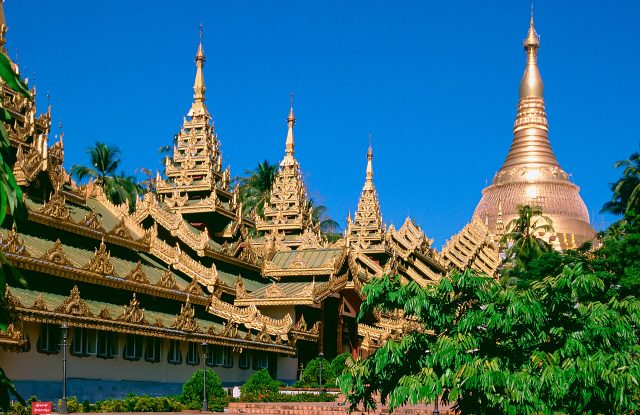
For visitors, Yangon University might not be the most obvious attraction—there are more famous landmarks like the Shwedagon Pagoda or the colonial-era downtown. But this is where you can begin to understand what drives the country, what ideas have shaped its people. History isn’t just preserved in books here; it’s woven into the fabric of the campus. If you’re lucky, you might meet a professor or student willing to share stories about the university’s past and its role in Myanmar’s journey. Those conversations often reveal more than any guidebook ever could.
It’s worth remembering that the university is still a functioning academic space, and access isn’t always guaranteed. During times of political tension or student unrest, the campus may be closed to outsiders. Even if you can’t go inside, though, a walk along the perimeter offers a chance to see the old buildings and imagine the lives that have passed through here. After all, Yangon University isn’t just about bricks and mortar—it’s about the people who studied, argued, dreamed, and fought within its walls. They’re the ones who made this place what it is today.