Yad Vashem sits on the western slope of Mount Herzl, where the quiet of the surrounding greenery feels heavier than anywhere else in Jerusalem. The name itself means Memory and Name, a quiet insistence that those lost in the Holocaust were not just numbers, but individuals with lives, families, and stories that deserve to be remembered. This isn’t just a museum or a memorial—it’s a place where history is given back its humanity, where the scale of tragedy is measured not in statistics, but in the faces and voices of those who perished.
The idea for Yad Vashem took shape in the years after Israel’s founding, when the country was still grappling with the enormity of what had happened in Europe. In 1953, the Knesset passed a law establishing the memorial, and within a few years, the first exhibitions opened. The goal was never just to document the past, but to ensure that future generations would carry the weight of that memory. Over the decades, Yad Vashem has grown into a vast complex—a museum, an archive, a research center, and a place of mourning where people from all over the world come to pay their respects.
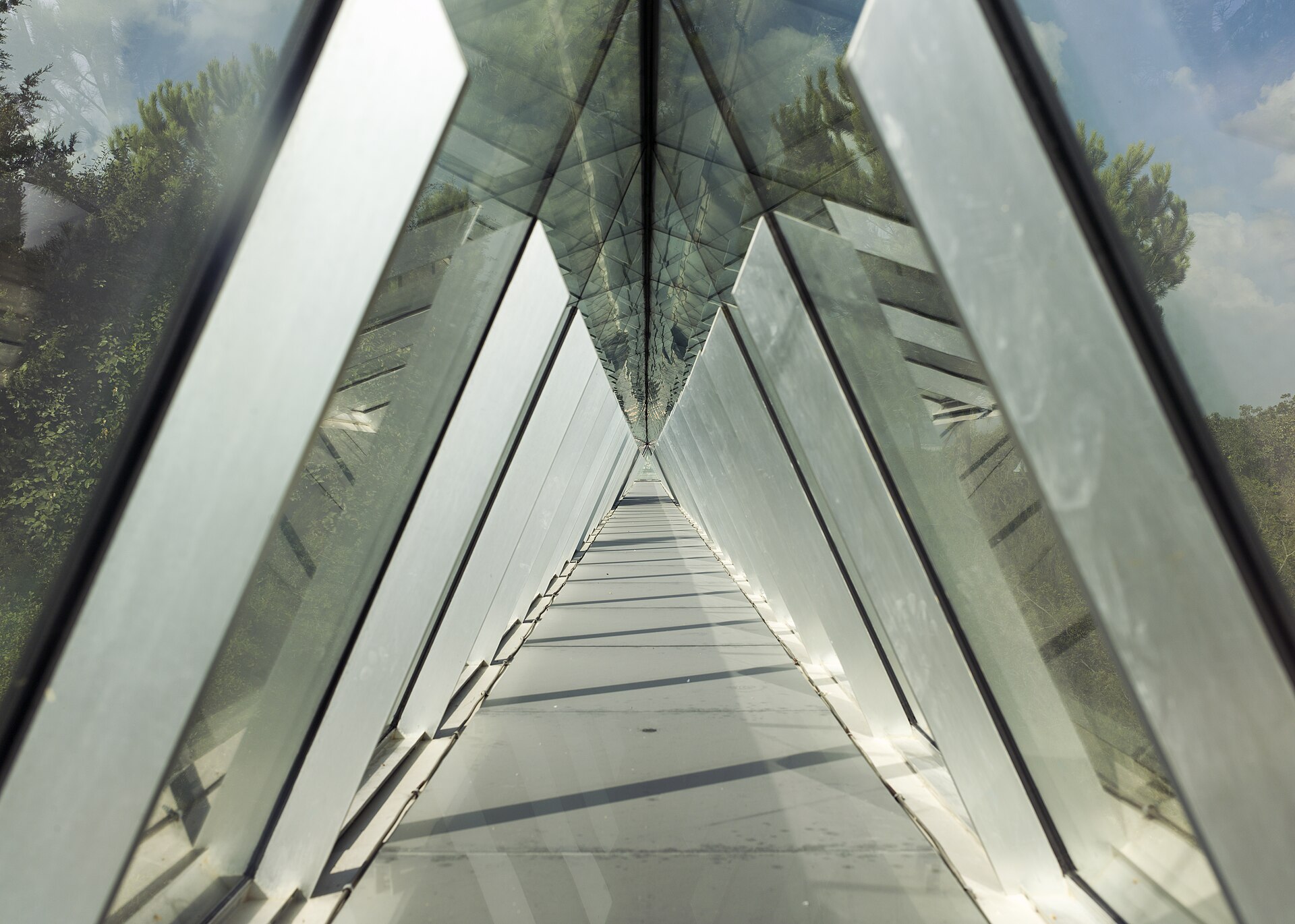
The architecture of the site is designed to guide visitors through an emotional journey. The main Holocaust History Museum, designed by Moshe Safdie, is a long triangular structure carved into the hillside. Inside, narrow corridors lead you through the chronology of the Holocaust, from the rise of Nazi Germany to the liberation of the camps. The lighting shifts constantly—sometimes bright and stark, other times dim and shadowed—mirroring the way history itself can feel overwhelming, then suddenly intimate. Other parts of the complex, like the Children’s Memorial and the Hall of Names, each serve a different purpose, but all share the same solemnity.
The Children’s Memorial is one of the most difficult places in Yad Vashem. Dedicated to the one and a half million Jewish children who were murdered, it’s a small underground chamber where thousands of candles flicker in the darkness, their reflections multiplied by mirrors to create the illusion of a vast, star-filled sky. A voice reads out names, ages, and places of birth—endless, relentless. There’s no way to prepare for the effect of hearing those names, one after another, knowing that each one represents a life cut short. Even the most composed visitors often leave in silence, their eyes wet.
The Hall of Names is where the effort to preserve individual memory becomes tangible. At its center stands a cone-shaped structure, its walls lined with photographs and brief biographies of victims. Below it, an archive holds millions of pages of testimony collected from survivors and their families. Visitors can search for information about lost relatives or contribute their own stories. The Hall also houses the Book of Names, where the identities of those who have been identified are recorded. It’s a place where the abstract becomes personal, where the sheer number of lives lost is made real through the details of individual existence.
Outside, the Warsaw Ghetto Square and the Avenue of the Righteous Among the Nations offer different kinds of remembrance. The square is dominated by a monument to the Warsaw Ghetto Uprising, a stark reminder of resistance in the face of impossible odds. The Avenue of the Righteous honors non-Jews who risked their lives to save Jews during the Holocaust. Each tree planted along the path represents one of these individuals, their names and stories inscribed on plaques. It’s a quiet acknowledgment that even in the darkest times, there were those who chose to act with courage and compassion.
Yad Vashem is also a place of ongoing research. Its archives hold the largest collection of Holocaust-related documents in the world, and the institution regularly hosts conferences, publishes books, and updates its exhibitions with new findings. For many visitors, especially students, a trip here is more than just an educational experience—it’s a confrontation with history that stays with them long after they leave. The museum doesn’t shy away from the difficult questions, forcing visitors to grapple with the complexities of human nature, survival, and memory.
The atmosphere at Yad Vashem is unlike anywhere else. There’s no chatter, no rushing. People move slowly, speak in hushed tones, and often pause to collect themselves. Some come to honor family members they never knew, others to bear witness to a history they feel a responsibility to remember. The weight of the place is palpable, as if the air itself is thick with the stories of those who were lost. Time seems to slow down here, allowing space for reflection, grief, and, ultimately, understanding.
What makes Yad Vashem so powerful is its refusal to let the Holocaust become just another historical event. It doesn’t present the past as something distant or abstract. Instead, it forces visitors to see the faces behind the numbers, to hear the voices behind the silence. In doing so, it becomes more than a memorial—it’s a reminder of how fragile peace can be, and how essential it is to remember the past if we hope to shape a different future. For many, a visit to Yad Vashem is one of the most profound experiences Jerusalem has to offer.