Mount Rigi has earned its nickname as the queen of Swiss mountains, and it’s easy to see why. Rising above Lucerne like a quiet sentinel, it separates the city from the lake and the jagged peaks beyond, offering one of the most celebrated views in central Switzerland. Unlike the dramatic, snow-capped summits of the higher Alps, Rigi is softer—gentle green slopes, scattered villages, and a stillness broken only by the occasional chime of cowbells. This is a mountain for those who want to experience Switzerland at its most unhurried, a place where the pace of life hasn’t changed much since long before mass tourism arrived.
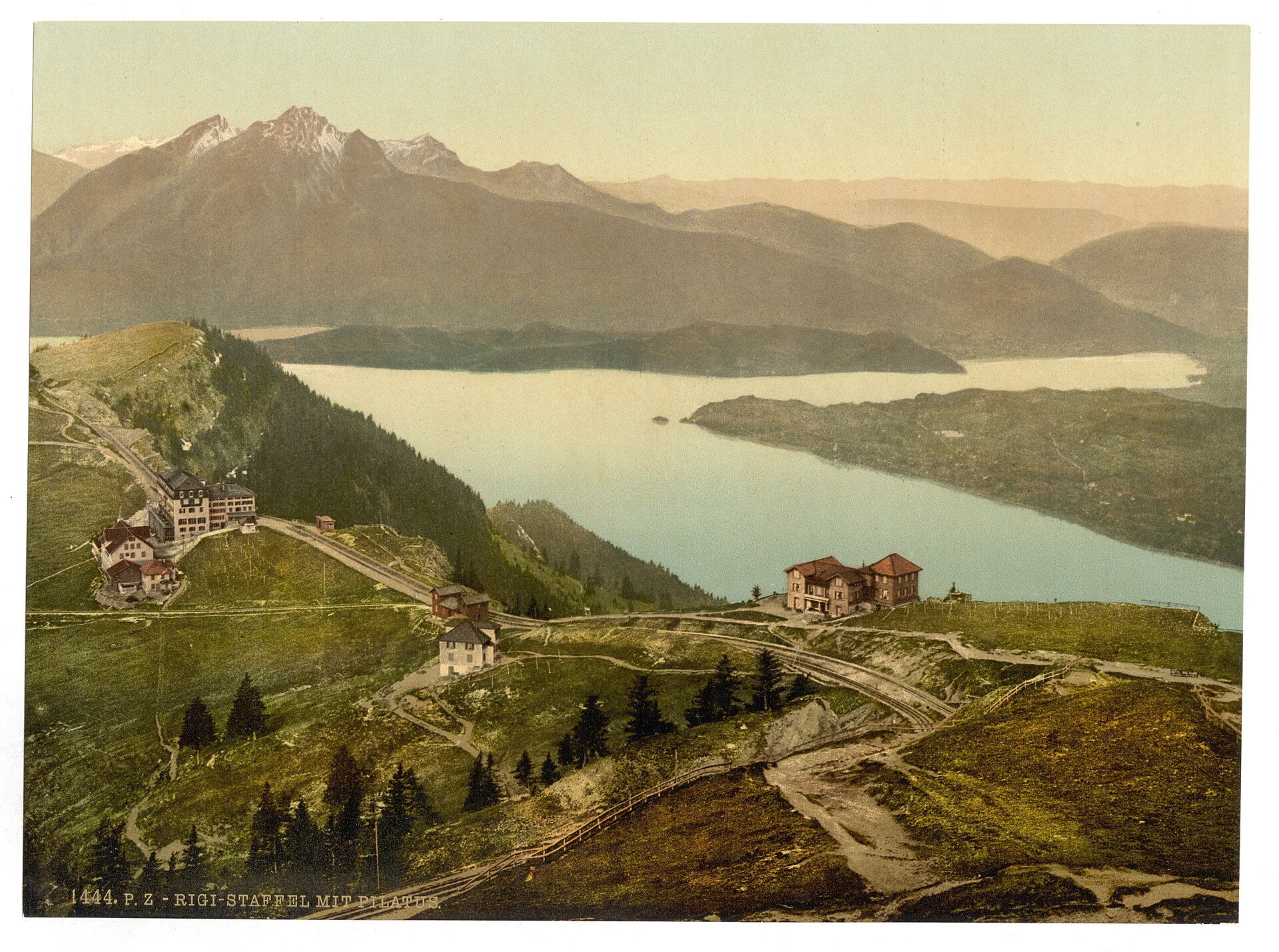
The story of Rigi as a destination began in the 19th century, when travelers first ventured into the Alps in search of fresh air and sweeping vistas. It became one of the earliest Alpine resorts, and in 1871, a cogwheel railway was built to carry visitors from Lake Lucerne to the summit. The journey itself is part of the experience—old wooden carriages climbing steadily through forests, the scent of pine mingling with the faint mechanical hum of the train. On clear days, the landscape unfolds like a painting: dense woods at the base give way to alpine meadows, and finally, the rocky outcrops near the top.
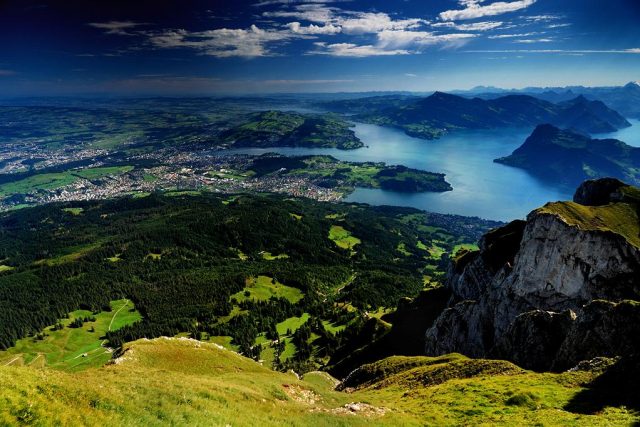
At the summit, Rigi Kulm sits at around 1,800 meters, offering a view that stretches across four lakes—Lucerne, Zug, Lauerz, and Sarnen. When the weather is good, the snow-dusted peaks of the Bernese Alps rise in the distance, while below, Lucerne sprawls like a miniature city, its medieval towers and bridges just visible. Unlike more crowded mountain resorts, Rigi retains a sense of space and solitude. In summer, hikers make their way up; in winter, skiers and snowboarders take over, but even in peak season, the mountain never feels overrun.
The architecture here is simple and practical, blending seamlessly with the landscape. Wooden chalets, alpine-style hotels, and small restaurants with terraces overlook the valleys below. Time seems to move slower on Rigi—farmers still tend their herds, produce cheese using traditional methods, and the rhythm of life feels untouched by the rush of the modern world. Visitors aren’t just observers; they become part of this quiet existence, whether they’re stopping for a meal at a mountain inn or simply watching the clouds drift over the peaks.
Beyond the summit, Rigi is crisscrossed by trails leading to hidden lakes, waterfalls, and secluded valleys. One of the most scenic routes takes you to Lake Lauerz, a jewel of a lake surrounded by forested hills and cliffs. The water is so clear it almost glows, and in summer, it’s a perfect spot for a swim. Along the way, you’ll pass small chapels, shepherd’s huts, and meadows dotted with wildflowers. Another popular walk leads to the Küsnacht Waterfall, where water plunges into a narrow gorge, creating rainbows in the mist.
In winter, Rigi transforms into a peaceful ski resort. There are no steep, challenging runs here—just wide, gentle slopes ideal for beginners and families. Ski schools, equipment rentals, and cozy huts serving hot glühwein make it a relaxed place to spend a winter day. Snow covers the mountain from December to March, and while it may not be as powdery as in higher resorts, the lack of crowds makes up for it. Those who prefer not to ski can try sledding or simply take a quiet walk through the snow, breathing in the crisp air and soaking in the views.
What makes Rigi special is its ability to feel both grand and intimate. There are no luxury resorts or flashy attractions, just the quiet beauty of the Swiss countryside. It’s a place where you can slow down—take a long walk, linger over coffee on a terrace with a view of the Alps, or simply sit and watch the light change over the valleys. Whether you visit in summer or winter, for a day or a week, Rigi leaves an impression of a world that moves at its own pace, where nature and human life exist in harmony.
This is a mountain that doesn’t demand attention but rewards those who take the time to notice. The views are breathtaking, but it’s the small details that stay with you—the way the morning mist clings to the slopes, the sound of cowbells echoing across the meadows, the warmth of a wooden bench after a long hike. Rigi isn’t about grandeur; it’s about the quiet moments in between, the kind that make travel feel like something deeper than just sightseeing. It’s Switzerland as it once was, and perhaps still is, for those willing to look.