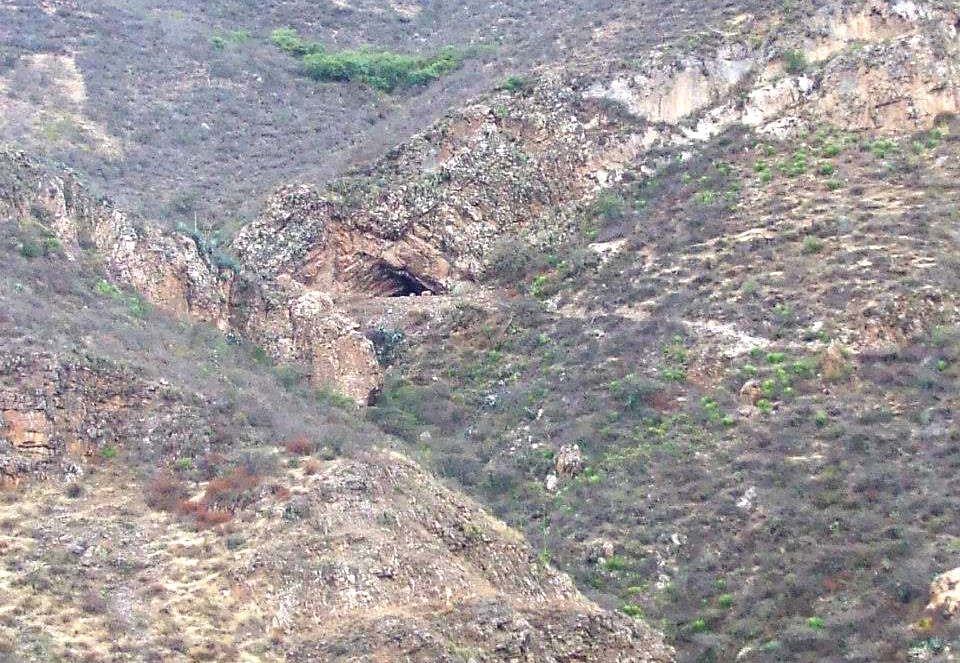
Guitarrero Cave isn’t just another hollow in the Peruvian Andes—it’s one of those rare places where human history feels almost tangible. Tucked near the town of Yungay at around four thousand meters above sea level, this unassuming cavern holds traces of some of the earliest inhabitants of these rugged mountain valleys. Over ten thousand years ago, long before the Inca Empire rose to power, people already called these highlands home. The cave itself is modest in size, but its significance to archaeology is immense. Tools, plant remains, and animal bones found here have helped piece together the daily lives of ancient hunter-gatherers who navigated the Andes long before the first cities took shape.
The entrance to Guitarrero is easy to miss—a narrow slit in the rock, half-hidden by shrubs and loose stones. But step inside, and the space opens into a low, surprisingly roomy chamber. The walls are layered with sediment, each stratum a page from a prehistoric ledger. Archaeologists have identified several distinct cultural layers here, the oldest dating back to around 10,600 BCE. That makes Guitarrero one of the earliest known human settlements in South America. What’s striking is how actively people used this space even then. They didn’t just seek shelter from the elements; they worked stone, cooked food, and may have even experimented with early forms of agriculture.
Among the most important discoveries in the cave are plant remains—seeds of beans, peppers, and other crops that rank among the oldest evidence of farming in the Andes. These finds forced researchers to rethink the timeline of agriculture in South America. It turns out that people here were cultivating plants long before the rise of major civilizations like the Inca. Guitarrero and similar sites suggest that the foundations of Andean farming were laid in places like this, where small communities first learned to coax life from the land.
The cave is deeply tied to the history of the Callejón de Huaylas, the valley where Yungay sits. This region has always been a crossroads, first for migrating peoples and later for Inca trade routes. Guitarrero likely served as a temporary refuge for travelers, hunters, and herders moving through the highland pastures. Even now, when visitors or researchers make the journey, the cave retains a sense of isolation and timelessness. The air is thin and dry, the silence broken only by the wind or the occasional cry of a mountain bird.
There’s no grand architecture here—nature shaped this shelter, and humans simply adapted to it. That simplicity is part of what makes Guitarrero special. Unlike other famous Peruvian sites, there are no elaborate murals or monumental ruins. Instead, the cave holds quiet traces of everyday life: charred hearthstones, pottery shards, animal bones. These fragments tell a story not of kings or conquests, but of ordinary people who endured the harsh realities of high-altitude living. Theirs was a world where survival demanded patience, ingenuity, and a deep understanding of the land.
Today, Guitarrero draws mostly archaeologists and curious travelers willing to venture off the beaten path. Reaching it isn’t easy—from Yungay, the journey involves winding mountain roads and a final hike over rocky terrain. But those who make the effort are rewarded with a rare glimpse into the distant past. The cave isn’t set up for mass tourism; there are no signs, information boards, or souvenir stalls. Just rock, wind, and silence, a setting that makes it easy to imagine the lives of the people who once called this place home.
It’s worth remembering that Guitarrero isn’t just an archaeological site—it’s also part of a living landscape. The surrounding area is home to rare wildlife like vicuñas and Andean foxes, as well as hardy birds adapted to the altitude. The vegetation is sparse but resilient: low shrubs, mosses, and lichens clinging to the rocky soil. Together, these elements create an atmosphere where humans have always been temporary visitors, and nature remains the true owner of the land. That might be why Guitarrero still feels so mysterious, so untouched by time.
For anyone interested in Peru’s history, the cave offers a different perspective—one that goes beyond the Inca citadels or Lima’s colonial landmarks. Here, the story is older, quieter, and far less known. It’s a reminder that civilizations don’t emerge fully formed; they’re built on the knowledge and labor of countless generations who lived, worked, and adapted to these lands long before written records began. Guitarrero may not have the fame of Machu Picchu or Nazca, but its role in understanding South America’s past is just as vital.