Tennholma Harbour is one of those quiet corners of the Finnish coast where time seems to slow down, as if the world beyond has decided to leave it be. Tucked away near Raseborg in southern Finland, it’s not the kind of place that draws crowds or makes grand promises. There are no bustling docks, no neon signs, no souvenir shops—just open space, the steady rhythm of the sea, and the sense that life here moves at its own unhurried pace. The harbour itself is small, almost unassuming, but that’s part of its charm. It doesn’t try to impress; it simply exists, woven into the landscape as naturally as the rocks and the water.
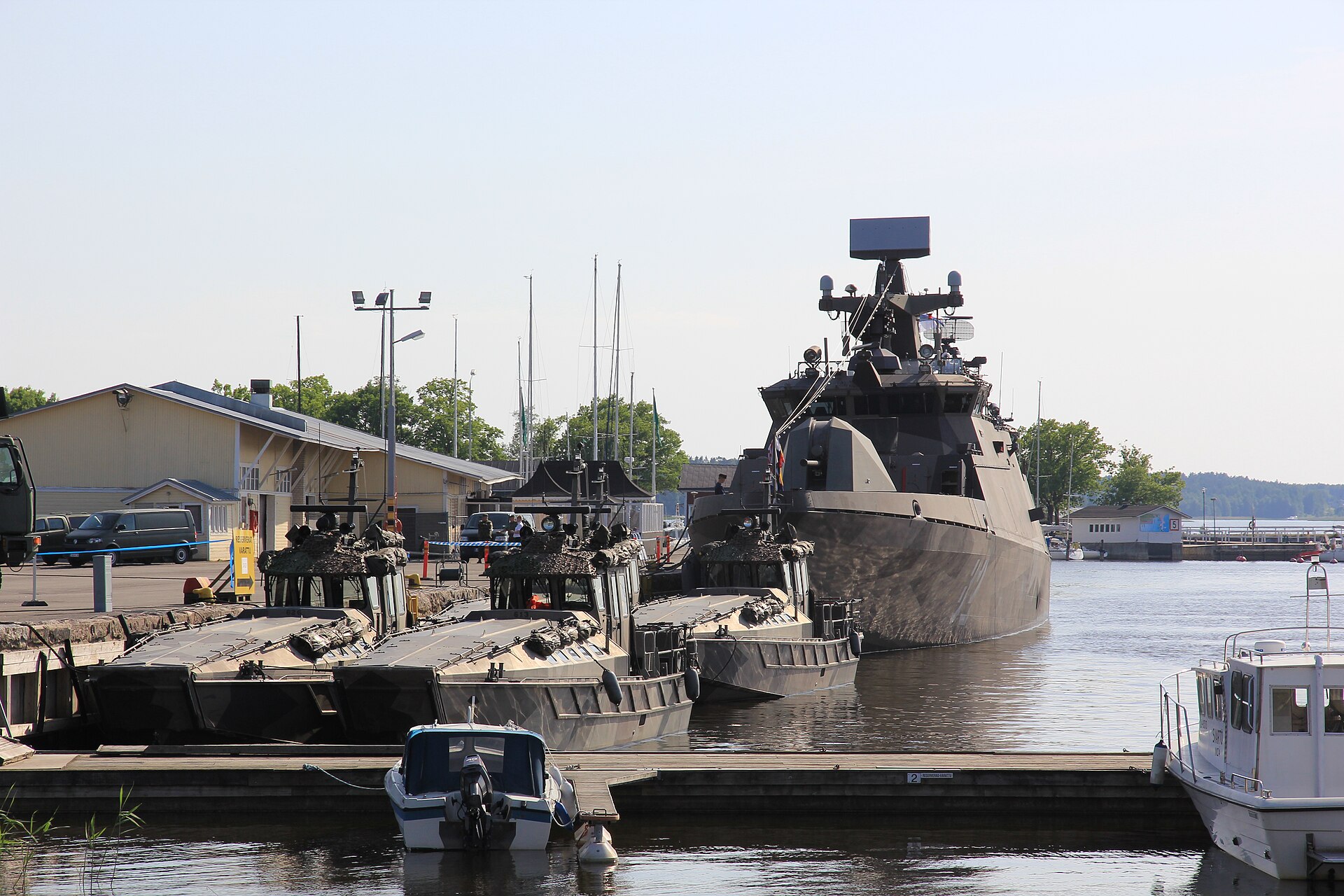
Like many coastal settlements in Finland, Tennholma’s history is tied to the sea. Centuries ago, these waters were part of important trade routes connecting Sweden, Finland, and the Baltic states. Ships would shelter here, their crews trading goods while the surrounding forests and fields provided food for the locals. Over time, Tennholma’s role as a trading post faded, but the sea remained central to life in the village. Today, you can still see small fishing boats heading out into the bay, while old wooden warehouses and weathered piers along the shore hint at the harbour’s past.
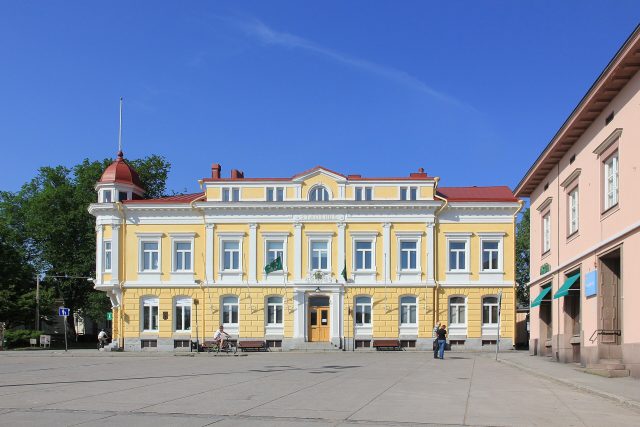
The architecture here is simple and practical, much like the people who built it. Wooden houses painted in traditional Finnish shades of red and yellow line the waterfront, their roofs softened by moss that gives them a slightly timeless, almost fairy-tale appearance. Some of the buildings look as though they haven’t changed in decades, but that’s not neglect—it’s a quiet respect for the way things have always been. There are no grand mansions or modern villas, just modest homes that blend seamlessly into the landscape. Even the docks, worn by time and saltwater, feel like a natural extension of the shore rather than something imposed on it.
The sea at Tennholma is different from the rougher waters of Finland’s open coast. The bay is sheltered by islands and headlands, so the water often lies smooth as glass, especially on calm summer days. Gulls circle overhead, dipping into the water for fish, while swans glide silently along the shore. In winter, the bay freezes over, and locals take to the ice—skating, walking, or simply standing still to take in the vast, silent expanse. The sea here doesn’t demand attention; it offers something quieter, a sense of steadiness, like an old friend who’s always there when you need it.
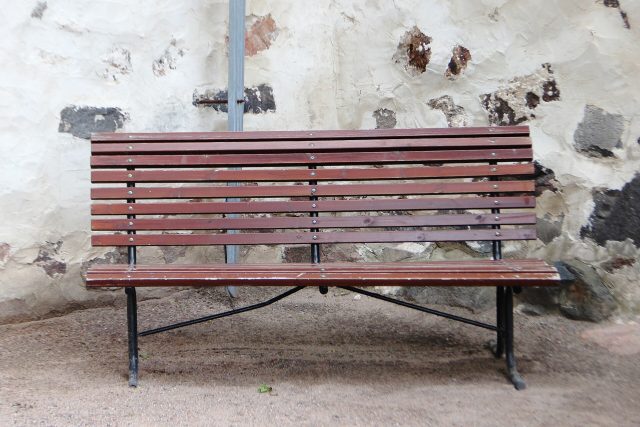
Life in Tennholma moves to the rhythm of the seasons. In summer, the harbour comes alive with activity—fishermen mending nets, children playing on the shore, elders sitting on benches watching the water. Autumn brings a quieter energy, though the village never feels empty; people still go about their routines, preparing for the long winter ahead. When spring arrives, the harbour wakes up with the sound of melting ice and the calls of returning birds. Even the occasional visitor quickly adjusts to this slower pace, leaving behind the rush of the outside world.
This isn’t a place for those seeking excitement or luxury. There are no museums, no gourmet restaurants, no souvenir stalls. What Tennholma offers instead is a glimpse of Finland as it exists away from the tourist trails—a place where life is simple, unhurried, and deeply connected to the land and sea. A walk along the shore, a conversation with a fisherman about the best spots for pike, or just watching the sunset over the bay can leave a lasting impression. It’s a place for those who value authenticity over spectacle, stillness over noise.
Despite its modest size, Tennholma holds a special place in the lives of the surrounding villages. The harbour serves as a gathering spot, where small festivals and markets bring people together from nearby settlements. In summer, there might be an open-air concert with local musicians; in winter, you might find ice fishermen patiently waiting for a catch. For many, Tennholma isn’t just a harbour—it’s a piece of their history, a place where childhood memories were made or where weekends are spent with family.
If you find yourself in this part of Finland, don’t rush past. Take a moment to stop by the harbour, walk along the wooden piers, listen to the water lapping against the shore and the gulls calling overhead. It’s here, in the quiet, that you might begin to understand why Finns love their coastline—not for its dramatic beauty, but for the sense of peace it brings. Tennholma won’t change your life, but it might just change the way you see it.