Standing on a gentle hill in Raseborg, the Church of St. Mary is a place where history lingers. Built in the late 15th century, its thick granite walls and narrow arched windows have witnessed centuries of change—Swedish settlers, Finnish villagers, and the Reformation. The wooden pews are worn smooth by time, the vaulted ceilings still echo with prayers from different eras. The building has endured without losing its character.
The architecture reflects late medieval craftsmanship. The sturdy stone walls, heavy tower, and small, high windows were built for practicality, yet they give the church a quiet dignity. Inside, the space feels modest, with an altar adorned by faded paintings and fragments of old frescoes on the walls. These remnants show how the church once served as the community’s heart, where people gathered for worship and daily life.
St. Mary’s has changed little over the centuries. While other old churches were renovated, this one keeps its original character. Even the Baroque wooden pulpit, added later, fits naturally into the medieval interior. Few structures this old remain so untouched, and that authenticity is part of what draws visitors.
The church is tied to Raseborg’s history. Once a busy area with a nearby castle (now in ruins), the church was where fairs were held, councils met, and decisions were made. Though the castle is gone, the church remains, a witness to the settlement’s rise and fall.
Today, St. Mary’s is still active, with infrequent services. On holidays, locals fill the pews—not just to pray, but to honor the past. Many of their ancestors are buried in the surrounding cemetery, where moss-covered gravestones, some centuries old, tell their own stories. Walking among them, you feel the weight of history.
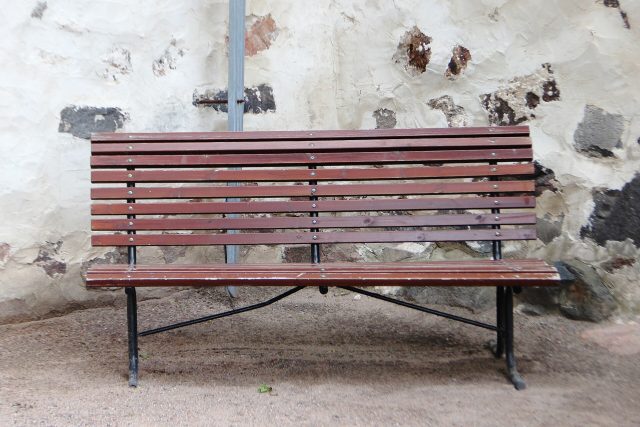
For visitors, the church offers a different experience than Finland’s famous landmarks. There are no crowds, no rushed tours, no gift shops. Instead, there’s silence, the scent of aged wood and stone, and soft light through narrow windows. You can study the faded frescoes, sit on a bench, or listen to the wind in the trees. It’s a place for reflection.
The atmosphere changes with the seasons. In autumn, the church feels like a refuge as forests turn color and mist clings to the hill. Winter covers it in snow, creating a quiet, almost fairy-tale scene. Summer brings photographers, drawn by how sunlight reveals details in the ancient stones.
St. Mary’s is more than an old building—it connects past and present. It has survived wars, shifting borders, and religious changes, yet remains standing. There’s no grand spectacle here, just quiet resilience. Visiting isn’t about awe; it’s about recognizing a place that has seen lives unfold and still endures.