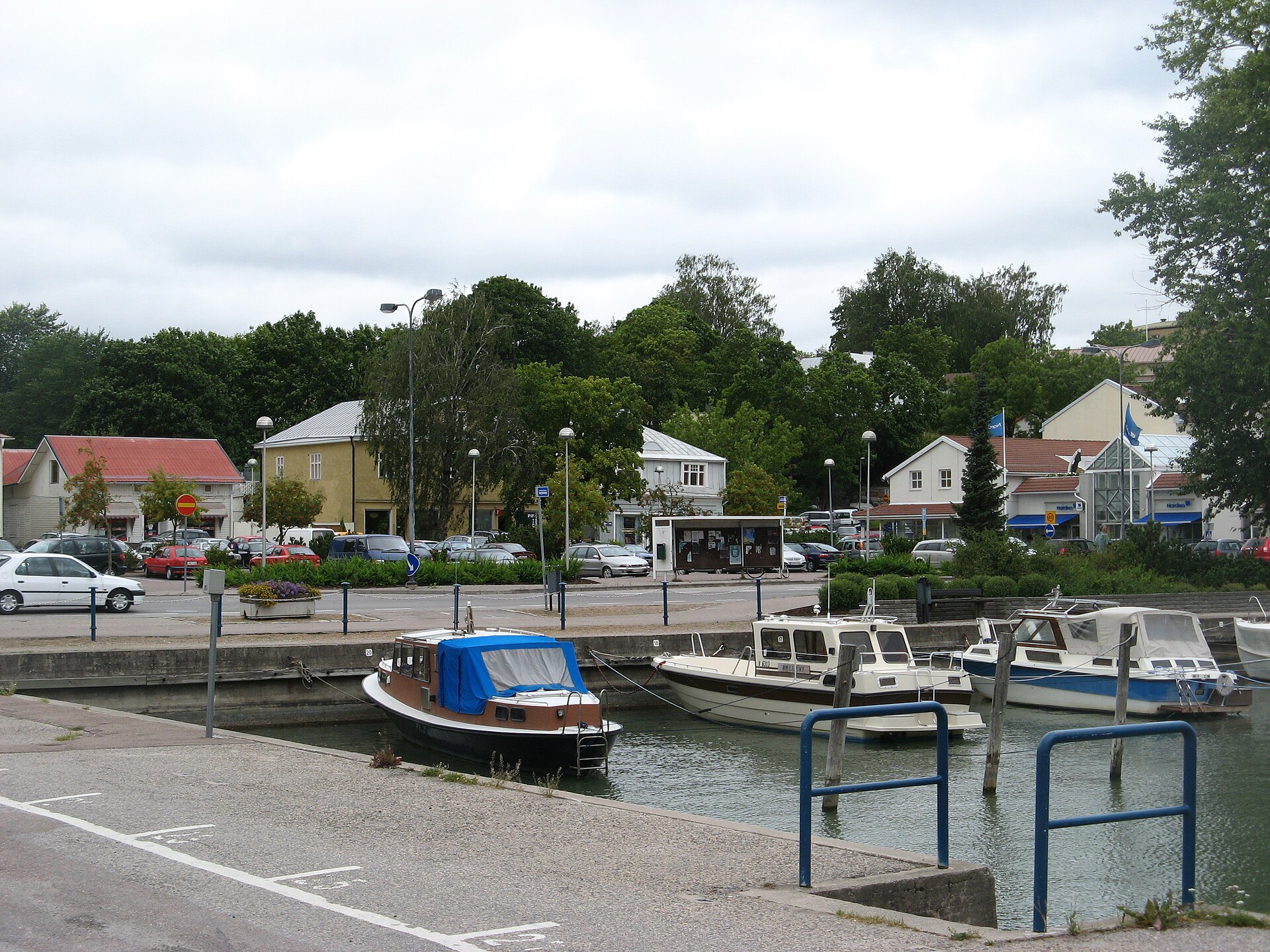
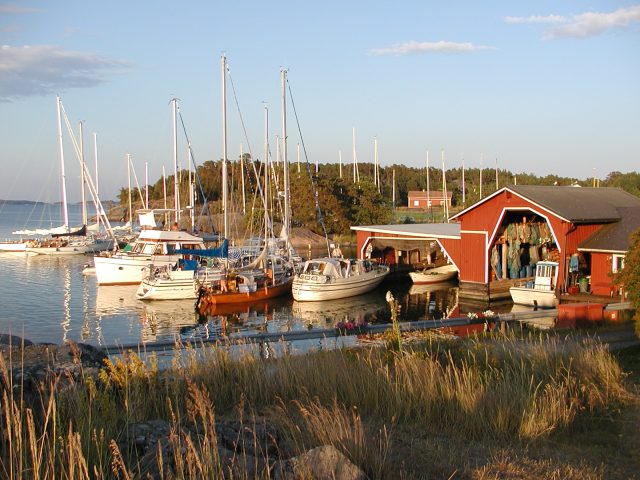
Parainen’s harbor is one of those rare places where time seems to slow, where the sea breeze carries the scent of salt, seaweed, and distant voyages. Tucked along Finland’s southwestern coast, this small harbor feels far removed from the bustle of larger port cities. There are no crowds here, no hurried footsteps—just the gentle sway of wooden docks, the quiet lap of water against stone, and the low red-roofed houses that line the shore. Known as Pargas in Swedish, Parainen is a town where maritime traditions run deep, woven into the daily lives of those who call it home.
The harbor has always been at the heart of the town’s story. For centuries, it served as a vital hub for trade and fishing, a place where merchants from Sweden and across the Baltic once docked their ships. In the Middle Ages, Parainen was part of the Swedish kingdom, and its harbor acted as a key stopover for vessels bound for Turku or farther east. Later, under Russian rule, the port’s importance grew even more, becoming a crucial point for exporting timber, stone, and other goods to St. Petersburg and beyond. The echoes of that history linger in the weathered warehouses and the sturdy docks that still stand today.
The architecture here is unassuming, built for purpose rather than grandeur. There are no towering monuments or ornate facades—just simple, functional structures that have endured for generations. Many of the wooden warehouses along the waterfront date back to the 19th century, their thick beams and narrow windows bearing the marks of time. Some have been repurposed into cafés or small shops, while others remain as they were, their metal roofs and sturdy frames a testament to the harbor’s working past. Old cranes and winches still dot the docks, silent reminders of the days when ships were loaded and unloaded by hand.
Today, the harbor blends the old with the new. In summer, it comes alive with activity—locals and visitors strolling along the waterfront, stopping for coffee at a seaside café, or renting a boat to explore the nearby archipelago. The archipelago itself is one of the region’s defining features, a labyrinth of thousands of islands and islets stretching out into the sea. Some are no more than rocky outcrops, while others are covered in pine forests, their shores lined with quiet coves. Many remain uninhabited, offering a sense of solitude to those who venture out by boat.
Winter transforms the harbor entirely. The sea freezes over, and the docks that once bustled with boats now host ice skaters and snowmobiles. Fishermen cut holes in the thick ice, continuing a tradition that has endured for generations. The pace slows even further in the colder months, the silence broken only by the occasional crunch of footsteps on snow. Yet the harbor doesn’t lose its charm—it simply takes on a different character, becoming a place for quiet reflection, where the frozen expanse of water stretches out toward the horizon.
This is still a working harbor, where fishing remains a way of life. Some of the boats that bob in the water belong to families who have fished these waters for decades, hauling in herring, salmon, or perch. The small fish market near the docks sells the day’s catch, and it’s not uncommon to see locals bargaining for fresh seafood or picking up ingredients for a traditional meal. The taste of fish grilled over an open fire or smoked the old-fashioned way is something worth experiencing for anyone passing through.
Beyond the harbor, there’s plenty to explore. The archipelago beckons, with its countless islands offering everything from secluded beaches to hiking trails. Ferries run to nearby towns, including Turku, Finland’s second-largest city, where the journey itself is part of the adventure, winding through the scenic islands along the way. Closer to home, Parainen has its own quiet attractions—a historic church, a local museum, and a handful of small galleries showcasing the work of regional artists.
What makes Parainen’s harbor special isn’t just its scenery or its history, but the way it feels. There’s a rhythm here, a pace that’s dictated by the tides and the seasons rather than the clock. In summer, the long evenings draw people to the waterfront, where they sit on benches or the edge of the dock, watching the sun dip below the horizon. In winter, the harbor becomes a place of stillness, where the only sounds are the wind and the occasional cry of a gull. It’s a place where visitors quickly shed the rush of everyday life, settling into the unhurried flow of things.
This isn’t a harbor that tries to impress. There are no grand attractions or flashy displays—just the quiet persistence of a place that has seen centuries of comings and goings. It’s a reminder of how people and the sea have shaped each other over time, how traditions endure even as the world changes around them. If you ever find yourself here, take a moment to pause. Watch the water, breathe in the salt air, and let the harbor’s quiet rhythm remind you of what it means to slow down.