Nestled in the foothills just outside Gabrovo, Etar feels like a place where time has quietly settled into its own rhythm. This open-air ethnographic complex isn’t just a collection of old buildings—it’s a living village where the past hasn’t been preserved behind glass but woven into the everyday. The air carries the scent of freshly baked bread from the old ovens, the rhythmic clatter of a blacksmith’s hammer, and the soft murmur of water turning the wheels of the mills along the river. Here, the 19th century isn’t a distant memory but something you can almost reach out and touch.
The idea for Etar took shape in the 1960s, when a group of historians and craftsmen set out to save the disappearing traditions of Bulgaria’s Revival period. They didn’t just want to display artifacts; they wanted to recreate a way of life. Houses, workshops, and mills were carefully dismantled from villages across the country and reassembled here, each structure telling its own story. The result is a sprawling seven-hectare village where over fifty buildings stand as testament to the skill and ingenuity of generations past. Walking through Etar, you don’t just see history—you step into it.
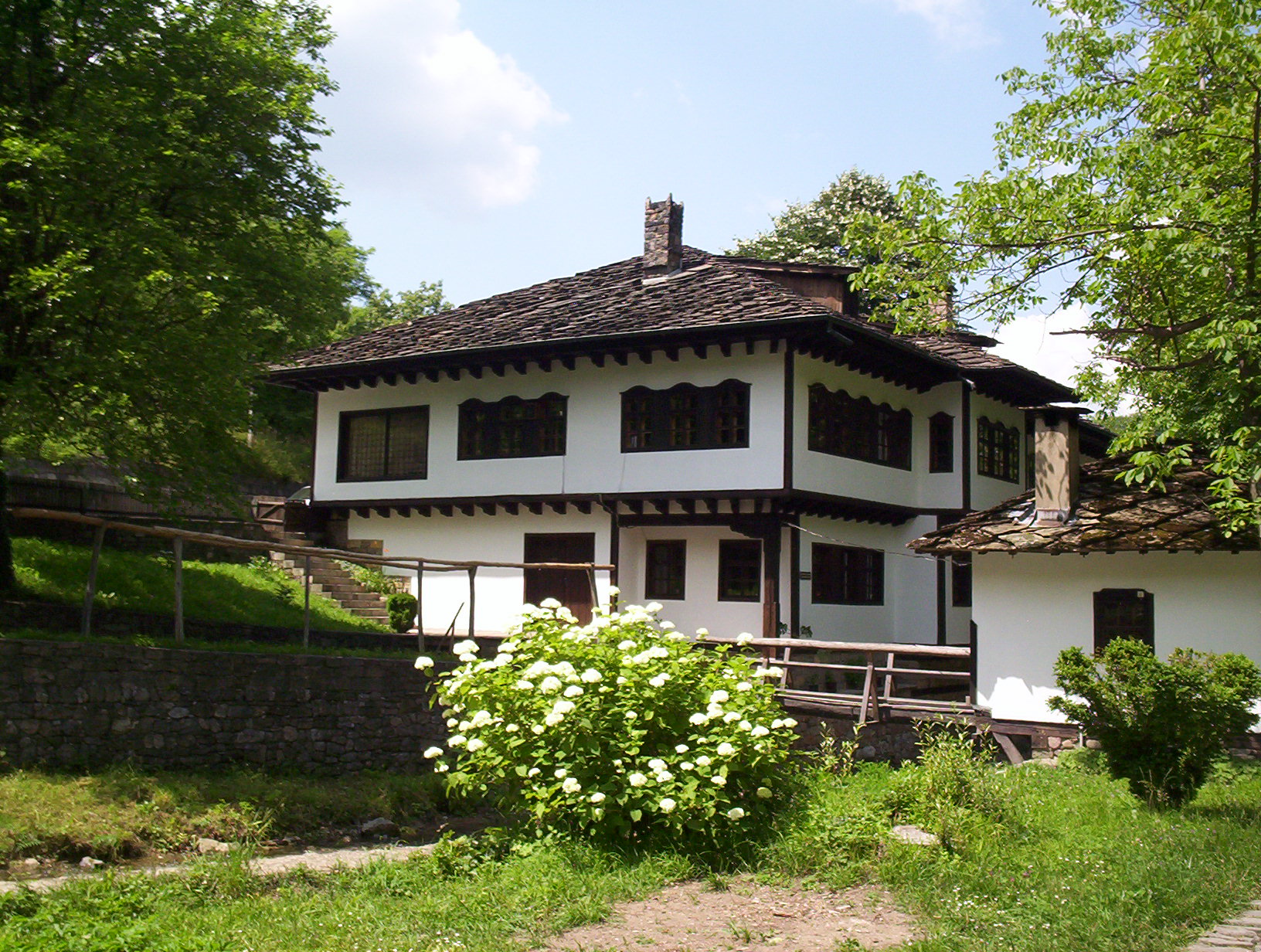
The architecture here is a quiet celebration of simplicity and harmony with the land. Houses built from local stone and timber rise along narrow lanes, their tiled roofs and carved wooden shutters painted in faded hues of blue and green. The river that winds through the complex powers the old water mills, their wooden wheels still turning just as they did a century ago. Some of the mills are still operational, their mechanisms grinding grain the way they once did for entire villages. The sound of rushing water and the creak of wooden gears fill the air, a reminder of how closely life here was tied to the land.
At the heart of Etar are the workshops, where craftsmen keep old traditions alive. The blacksmith’s forge glows with heat as iron is shaped into tools and horseshoes, while potters spin clay into vessels on foot-powered wheels. Weavers work at looms, their hands deftly creating intricate patterns in wool and linen. Woodcarvers transform rough planks into delicate lace-like designs, their chisels moving with practiced ease. Visitors can watch these artisans at work, and many of the items they produce—knives, ceramics, textiles—are available to take home. These aren’t just souvenirs; they’re pieces of living craftsmanship, made the way they have been for centuries.
Beyond the workshops, Etar offers glimpses into other facets of 19th-century life. The old schoolhouse, with its wooden desks and ink-stained benches, feels like a place where lessons have just let out. The priest’s house is filled with religious icons and handwritten books, its dim interior evoking the quiet devotion of rural life. And then there’s the tavern, where the scent of slow-cooked stews and freshly baked bread lingers. Here, you can sit at long wooden tables and eat the same dishes that would have been served to farmers and travelers a hundred years ago—simple, hearty food made from local ingredients.
The small wooden church of St. Ivan Rilski stands as a spiritual centerpiece of the complex. Built in the 19th century, its interior is adorned with frescoes and icons painted by local artists. The church isn’t just a historical artifact; it’s a place where the rituals of birth, marriage, and death once unfolded. Today, it remains open to visitors, its quiet atmosphere offering a moment of reflection away from the bustle of modern life. The flickering candlelight and the scent of incense make it easy to imagine the generations of worshippers who once gathered here.
Etar isn’t just a museum—it’s a place where traditions are still alive. Throughout the year, the complex hosts festivals that bring the past to life. During these events, the streets fill with the sounds of folk music, the swirl of traditional dances, and the chatter of artisans demonstrating their crafts. Some of the most vibrant celebrations are tied to the agricultural calendar—harvest festivals, spring rituals, and the feast of St. George. These gatherings draw not just tourists but locals, for whom Etar has become a touchstone of cultural identity. Watching a group of women in embroidered aprons perform an old dance or hearing the deep tones of a bagpipe echo through the valley, it’s clear that this isn’t just a performance. It’s a connection to something enduring.
What makes Etar special is its lack of pretense. There are no grand facades or polished tourist traps here—just the quiet authenticity of a village that has been carefully, lovingly restored. You can wander down a dirt path, cross a wooden bridge over the river, or sit on a bench outside a house and watch the world go by at its own unhurried pace. The craftsmen aren’t putting on a show; they’re simply doing what they’ve always done, and that sense of continuity is what makes the place feel so real.
For anyone curious about Bulgaria’s past, Etar offers a rare chance to experience history not as a distant concept but as something tangible. It’s a place where you can hold a hand-forged knife, taste bread baked in a wood-fired oven, or listen to the stories of the people who keep these traditions alive. There’s no pressure to rush, no scripted tour—just the quiet invitation to step back in time and see the world through the eyes of those who came before. In a way, Etar isn’t just about preserving the past. It’s about reminding us that some things—craftsmanship, community, the rhythm of the seasons—don’t belong to any one era. They’re timeless.