Saint Paul’s Bay is one of those places where history feels almost tangible, as if the past hasn’t just lingered but settled comfortably into the landscape. The name itself carries weight—it’s tied to one of the most famous shipwrecks in early Christian history, an event that left an indelible mark on Malta. According to the Acts of the Apostles, Saint Paul was on his way to Rome as a prisoner when his ship ran aground here in 60 AD. The bay, with its sheltered waters and rocky coastline, became the stage for this dramatic moment, and over the centuries, it has been shaped by both legend and the steady rhythm of daily life.
The valley that stretches inland from the bay is a quiet, unassuming place, far removed from the bustle of Malta’s more tourist-heavy spots. It’s a landscape of low hills, terraced fields, and scattered farmhouses, where the land still bears the marks of generations who worked it. The soil here is fertile, thanks to the valley’s natural drainage, and even today, you might see patches of crops—tomatoes, olives, or the occasional vine—clinging to the slopes. The air carries the scent of salt from the sea mixed with the earthy aroma of sun-warmed soil, especially in the late afternoon when the light softens and the shadows lengthen.
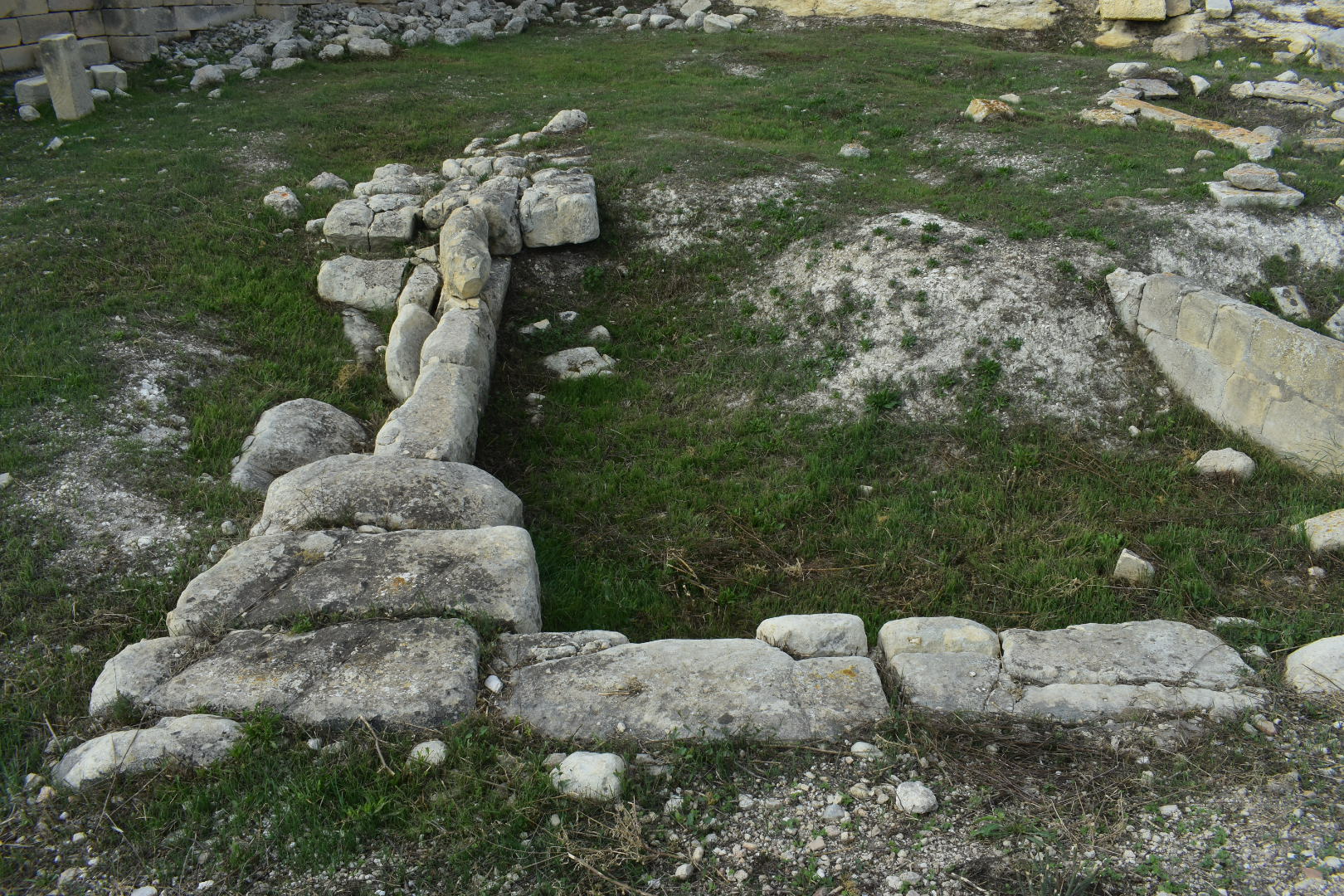
Walking through the valley, it’s easy to imagine how it might have looked two thousand years ago. The terrain hasn’t changed drastically; the same limestone ridges rise gently from the ground, the same wild herbs grow in the cracks of the rocks, and the same sea breeze rustles through the sparse vegetation. The Maltese Islands have always been a crossroads, and this valley was no exception. Phoenicians, Romans, Arabs, and the Knights of St. John all left their traces here, though much of it has been absorbed back into the land. What remains is a sense of continuity, as if the valley has simply carried on, indifferent to the passage of empires.
The bay itself is a wide, crescent-shaped inlet, its waters a shifting palette of blues and greens depending on the light. On calm days, the surface is so still it mirrors the sky, while in rougher weather, the waves crash against the rocks with a force that reminds you of the sea’s power. The shoreline is a mix of smooth pebbles and jagged outcrops, with a few small beaches tucked into the curves of the coast. Locals often come here to swim, fish, or simply sit and watch the boats bobbing in the distance. There’s no grand promenade or tourist infrastructure—just the sea, the rocks, and the occasional fisherman mending his nets.
One of the most striking features of the area is the small chapel dedicated to Saint Paul, perched on a hill overlooking the bay. It’s a modest structure, built in the 17th century, but its location gives it an almost dramatic presence. The chapel was constructed near the spot where, according to tradition, Saint Paul shook off a viper into a fire without harm, a miracle that convinced the locals of his divine protection. The building itself is simple—whitewashed walls, a single bell tower, and a few steps leading up to a quiet interior where the air is cool and still. From the hill, the view stretches across the bay, offering a panorama that has likely changed little since the chapel was first built.
Beyond the chapel, the valley opens up into a network of narrow roads and footpaths that wind through the countryside. Some lead to hidden coves, others to abandoned farmhouses with crumbling stone walls, their doors long since fallen off their hinges. The Maltese countryside has a way of revealing itself slowly, and this valley is no exception. You might stumble upon a small shrine half-hidden in the undergrowth, or a cluster of prickly pear cacti heavy with fruit, or a flock of goats grazing on the sparse grass. The pace here is unhurried, the kind of place where time seems to stretch out, allowing you to notice the small details—the way the light catches the edges of the rocks, or the sound of a distant church bell carried on the wind.
Saint Paul’s Bay isn’t just a place of historical significance; it’s also a living, breathing part of Malta’s coastal culture. The fishing industry, though diminished from its heyday, still plays a role here. Early in the morning, you might see boats heading out to sea, their hulls painted in bright colors that stand out against the muted tones of the water. The catch is often sold straight from the docks, with locals haggling over the price of fresh lampuki or octopus. In the evenings, the bay takes on a different character. The lights from the nearby towns of Bugibba and Qawra twinkle across the water, and the sound of laughter and clinking glasses drifts from the seaside bars. Yet even here, the valley retains its quiet dignity, as if it’s content to let the modern world buzz around it without being drawn in.
For those who visit, the valley offers more than just a glimpse into Malta’s past. It’s a place where you can step away from the well-trodden tourist paths and experience something closer to the island’s everyday rhythm. There are no grand attractions or must-see sights—just the land, the sea, and the stories they hold. Whether you come to walk along the coast, explore the countryside, or simply sit by the water and watch the sunset, the valley has a way of making you feel connected to something larger than yourself. It’s a reminder that history isn’t just something you read about in books; sometimes, it’s right there beneath your feet, waiting to be noticed.