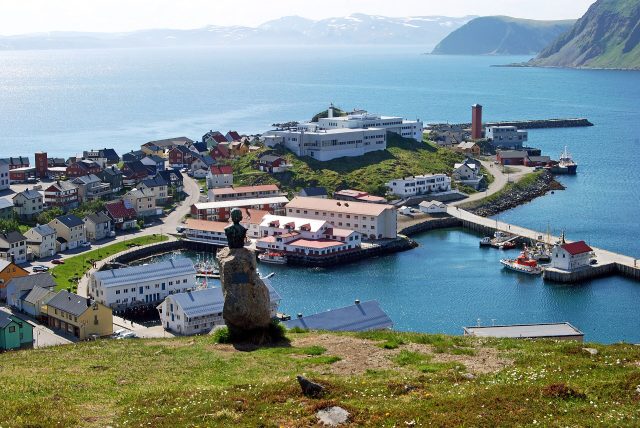
Saint Paul's Bay
Malta · 7 places
Photo: Frank Vincentz, CC BY-SA 3.0
Burmarrad is one of those quiet corners of Malta that most travelers overlook, a place where life moves at its own unhurried pace. Tucked between rolling hills and the coast in the island’s north, it feels more like a large village than a town—no crowds, no traffic, just narrow lanes lined with low limestone houses, citrus groves, and the kind of easygoing atmosphere that made you want to visit Malta in the first place. This is the Malta of postcards before they were postcards: slow, warm, and unmistakably real.
What makes Burmarrad special isn’t a grand cathedral or a famous ruin, but the way it clings to its rural roots. The fields here are still worked by hand, planted with olives, grapes, and vegetables, while rabbits—essential for the national dish, *fenkata*—hop between stone walls. Old farmhouses dot the landscape, their owners tending the land much as they have for generations, without fuss or modern shortcuts. Spring is the best time to see it: wildflowers blanket the fields, and the air is thick with the scent of orange blossoms. By summer, the heat slows everything down, and even the locals retreat into the shade of thick walls until the worst of the afternoon passes.
The sea is never far away. A short drive brings you to the beaches of St. Paul’s Bay, where clear water laps against rocky coves perfect for swimming or snorkeling. Unlike the packed resorts elsewhere on the island, these shores remain quiet, with no sunbeds or beach bars—just the occasional fisherman’s boat and the sound of waves. Walk a little farther, and you’ll find hidden grottos and sea caves, as if you’ve stumbled onto a secret no one else has bothered to claim.
Burmarrad is also a great base for exploring northern Malta. Mdina’s ancient streets, Vittoriosa’s medieval forts, and Sliema’s lively waterfront are all within easy reach. But many visitors end up staying close, wandering the countryside to discover crumbling chapels, centuries-old olive groves, and tiny cafés serving fresh bread drizzled with local olive oil. There are no luxury hotels or Michelin-starred restaurants here, just the kind of authenticity that’s harder to find these days—a chance to see Malta as it was before the crowds arrived.
Even in high season, you won’t find many tourists. The locals are friendly but not intrusive, and the few visitors who make it this far are usually the kind who prefer quiet over nightlife. In the evenings, the village bar might hum with Maltese folk music, or you can sit outside with a glass of local wine, watching the sun dip below the fields. It’s in moments like these that you realize some of the best trips aren’t about ticking off sights, but about slipping into someone else’s rhythm, even if just for a little while. Burmarrad lets you do exactly that.
See & Do
All of them


Places on the map
Marker colour follows the categoryClimate and weather
Detailed weather: Saint Paul's Bay- Average temperature
- 20 °C
- Precipitation per year
- 442 mm
- Sunshine hours per day
- 8.1 h
Average air temperature
°C
13
13
15
17
20
25
28
28
25
22
18
15
Jan
Feb
Mar
Apr
May
Jun
Jul
Aug
Sep
Oct
Nov
Dec