Constantine is a city that seems to defy gravity, suspended above the earth on its dramatic cliffs. Known today for its bridges and deep gorges, it carries within its modern streets the echoes of an older name—Cirta. Long before the first suspension bridges spanned its ravines, this was the heart of Numidia, one of the most powerful kingdoms of ancient North Africa. Little remains of Cirta now, just scattered fragments woven into the fabric of the present city, yet its legacy lingers in the very stones beneath your feet.
The story of Cirta begins in the 3rd century BCE, when the Numidian tribes—a Berber people—chose this plateau as the site for their capital. The location was no accident. Surrounded by sheer gorges on all sides, the city was nearly impregnable, its natural defenses reinforced by thick walls whose remnants can still be traced along Constantine’s oldest quarters. But Cirta was more than a fortress. Under the rule of King Massinissa, who united the Numidian tribes in the 2nd century BCE, it became a thriving center of politics, trade, and culture. Massinissa, a shrewd diplomat, balanced alliances with Rome while maintaining his kingdom’s independence, turning Cirta into a city of grand temples, bustling markets, and public spaces where ideas and goods flowed as freely as the nearby Rhumel River.
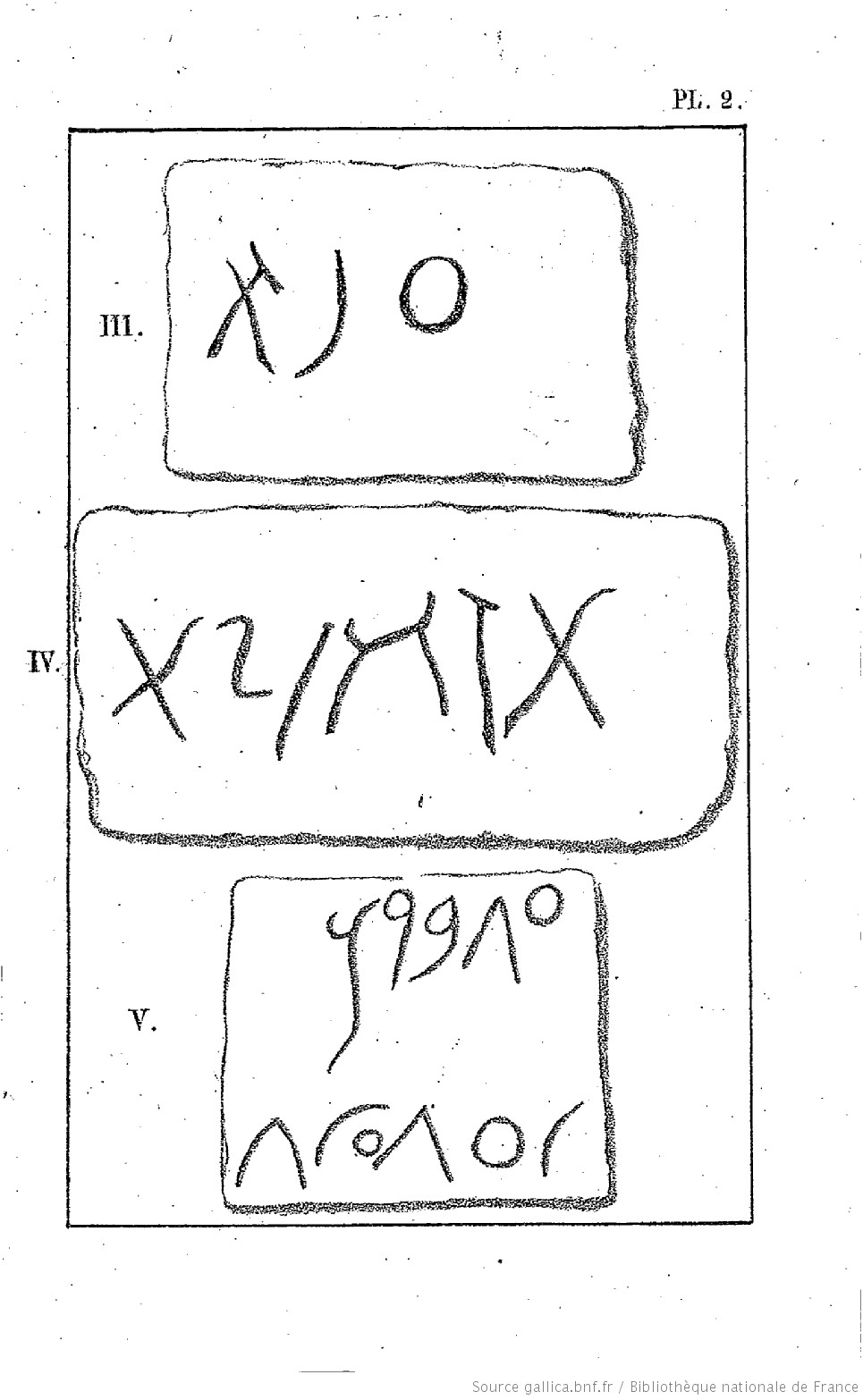
Massinissa’s death in 148 BCE marked the beginning of Cirta’s slow decline, though it remained a key city in the region. The real turning point came during the Jugurthine War, when Rome and the Numidian king Jugurtha clashed in a brutal struggle for control. In 112 BCE, Cirta fell to the Romans after a prolonged siege. Rather than erase the city, the conquerors rebuilt it in their own image, renaming it Cirta Sittianorum. Under Roman rule, it retained its importance as a commercial hub, though its days of political autonomy were over. The streets were repaved, new buildings rose, and Latin inscriptions began to appear alongside the older Numidian script.
Christianity arrived early in Cirta, and by the 3rd century CE, it had become one of the first episcopal sees in North Africa. The city hosted important church councils, and its bishops played a significant role in shaping early Christian thought in the region. But Cirta’s fortunes continued to shift. The Vandals swept through in the 5th century, followed by the Byzantines, each leaving their mark on the city’s architecture and culture. By the time the Arabs arrived in the 7th century, Cirta had been renamed Constantine, a nod to the Byzantine emperor, though much of its ancient grandeur had faded. The new rulers absorbed the city into the Islamic world, but traces of its past endured—fragments of mosaics, weathered columns, and the occasional Latin inscription hidden in the walls of later buildings.
Today, Cirta is less a place than a presence, its ruins scattered across Constantine like whispers of another time. The National Museum of Constantine holds artifacts that offer glimpses into its layered history—coins stamped with the profiles of long-dead kings, delicate pottery, and statues of gods and emperors. Walking through the old quarters, you might stumble upon a Roman arch supporting an Ottoman-era house or a stretch of ancient wall incorporated into a modern facade. The city’s bridges, especially the iconic Sidi M’Cid, span the same gorges that once protected Cirta from invaders, their steel and stone a stark contrast to the earth and timber of the past.
What makes Constantine unique is how seamlessly the past and present coexist. The deep ravines that once made Cirta a fortress now define the city’s modern identity, shaping its layout and even its mood. The old medina, with its labyrinthine alleys and whitewashed houses, still hums with the rhythms of daily life, much as it did centuries ago. Meanwhile, the grand colonial buildings along the boulevards speak to more recent chapters in the city’s history. Yet beneath it all lies Cirta, a foundation upon which every era has built.
Standing on one of Constantine’s bridges, looking out over the gorges, it’s easy to imagine the city as it once was. The sound of merchants haggling in the forum, the clatter of chariots on stone streets, the distant call of a sentry on the walls—these are the ghosts that linger in the wind. Cirta was never just a city; it was a crossroads of civilizations, a place where Berber, Roman, Christian, and Arab influences collided and blended. Its story is one of resilience, of a place that has been conquered, rebuilt, and reinvented time and again.
In the end, Cirta is more than ruins. It’s a reminder that cities, like people, carry their histories with them. Constantine may no longer bear its ancient name, but the spirit of Cirta lives on—in the stones, in the air, in the way the city clings to its cliffs as if refusing to let go of the past. One day, Constantine too will become history, another layer in the story of this land. But for now, it stands as a bridge between eras, a place where the echoes of antiquity still resonate.