Constantine
Algiers · 8 places
Photo: Maghnia-algeria, CC BY-SA 4.0
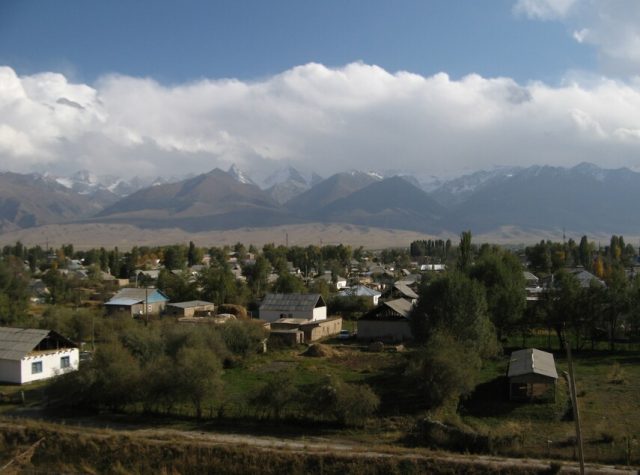
Perched on a plateau in northeastern Algeria, Constantine sits between earth and sky. The cliffs drop into the Rhumel River’s gorges, and the buildings stand at the edges. There are no palm-lined boulevards or seaside walks—just narrow streets winding between ochre and white houses. The past stays in doorways and footsteps on stone. Time moves differently here, shaped by history and daily life.
Constantine is called the City of Bridges. The Rhumel Gorge splits the city, spanned by crossings with their own stories. The Sidi M’Cid suspension bridge stretches above the abyss, linking the old quarter to newer districts. From it, the river runs far below, and the city spreads across the slopes in terracotta and limestone. At night, the bridges light up, turning Constantine into a maze of glowing paths.
The history here runs deep. Founded by the Phoenicians, Constantine became a stronghold for Numidians, Romans, Vandals, Byzantines, Arabs, Ottomans, and French. Each era left its mark: Roman ruins stand near Ottoman mosques, colonial buildings fit into the landscape. The Casbah’s alleys move at their own pace. Wooden doors with carvings open to courtyards, and the air holds spices and fresh bread. Walking these streets, you find fountains, workshops, or an offer of mint tea.
Culture lives in Constantine. The city has produced poets, musicians, and thinkers. Albert Camus was born here, and the city remembers him. The National Museum of Antiquities and Islamic Art holds North African treasures. But the city’s culture is in its people. Malouf music plays, artisans work leather and weave carpets, and cafés host debates. The city mixes old traditions with young energy.
Modern life hasn’t erased Constantine’s past. New neighborhoods climb the hills, universities bring students, and markets sell handmade jewelry and gadgets. The city keeps its identity. The cliffs, the bridges, the light at dusk—these make Constantine what it is. When the sun sets, the lights come on, and the city feels like the edge of time.
See & Do
All of them


Places on the map
Marker colour follows the categoryClimate and weather
Detailed weather: Constantine- Average temperature
- 16 °C
- Precipitation per year
- 440 mm
- Sunshine hours per day
- 7.8 h
Average air temperature
°C
7
9
11
14
18
24
28
26
22
18
12
9
Jan
Feb
Mar
Apr
May
Jun
Jul
Aug
Sep
Oct
Nov
Dec