Sremski Karlovci feels like a place where time has paused, leaving behind a quiet town where history lingers in every cobblestone and building. Among its most meaningful landmarks is the Church of the Holy Trinity, standing at the heart of the main square. It’s more than just a place of worship—it’s a silent witness to centuries of change, from Ottoman rule to the rise of the Austro-Hungarian Empire, from revolutions to the quiet rhythms of provincial life.
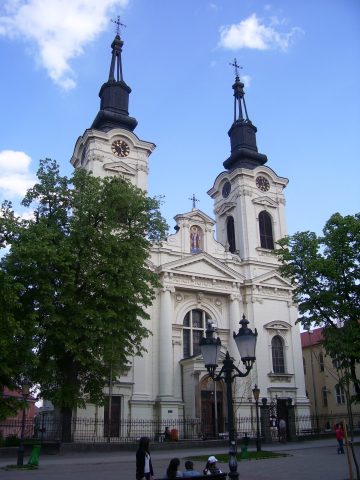
Built in the mid-18th century, the church emerged during a time when Sremski Karlovci had long since shed its role as a border fortress and become a vital religious and cultural center for Orthodox Serbs under Habsburg rule. It replaced an older church destroyed by war, and from the beginning, it served not only as a house of prayer but also as a symbol of resilience. Its architecture blends Baroque influences, common in Austrian lands, with traditional Orthodox elements, creating something distinct for this region.
From the outside, the church appears modest yet elegant. A tall bell tower rises above the town, crowned with a cross, while the facade is adorned with simple but graceful details—pilasters, arched windows, and an unassuming entrance. Inside, the contrast is striking. Light walls covered in frescoes, golden iconostases, and soft light filtering through stained glass create a sense of peace. The 18th-century iconostasis, crafted by local artisans, stands out with its intricate woodwork and biblical scenes, a testament to the skill of the region’s craftsmen.
The church is deeply tied to the history of the Serbian Orthodox Church. In the 19th century, it hosted sessions of the Holy Synod, where pivotal decisions were made for the Serbian clergy. At the time, Sremski Karlovci was the center of the Karlovci Metropolitanate, uniting Orthodox believers across the Austro-Hungarian Empire. The church wasn’t just a place of worship—it was where debates on education, culture, and even national identity unfolded, shaping the future of the Serbian people.
Today, the Church of the Holy Trinity remains an active place of worship, welcoming visitors who want to connect with its past. Inside, you can see not only the stunning interior but also ancient manuscripts, religious artifacts, and icons, many of which hold significant historical value. Attending a service is a particularly moving experience—the air fills with the scent of incense and candle wax, while ancient chants echo through the space, making it feel as though time itself has stilled.
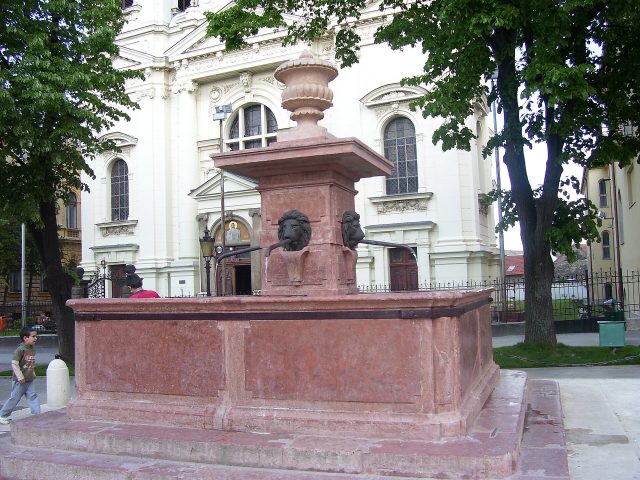
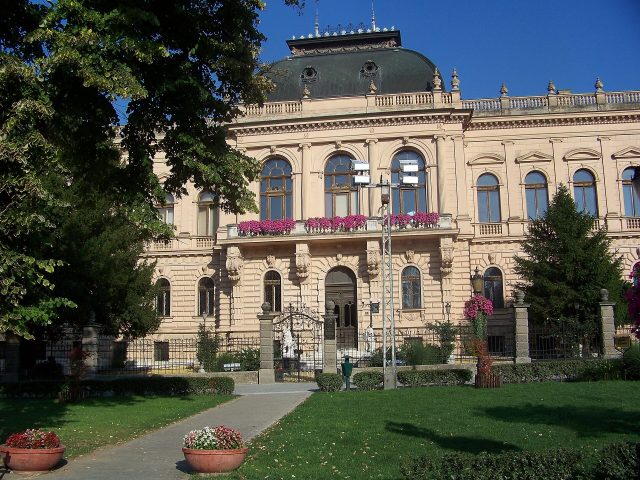
The area around the church is just as rich in history. The main square is lined with old buildings, each with its own stories to tell. Nearby stands the Karlovci Gymnasium, one of Serbia’s oldest schools, and a short walk away is the former Patriarchate building, where the Synod once convened. Walking these streets, it’s easy to imagine the town as it was centuries ago—merchants trading in the marketplace, students hurrying to class, and townspeople gathering to discuss the latest news.
The Church of the Holy Trinity isn’t just an architectural monument; it’s a place where history feels tangible. It reminds us that even in small towns, profound meanings can be found. Whether you spend an hour or a whole day here, you can reflect on the past, admire the beauty, or simply enjoy the quiet. In a world that moves too quickly, such places offer something rare—a chance to pause, to remember where we come from, and to understand the threads that connect us to the past.