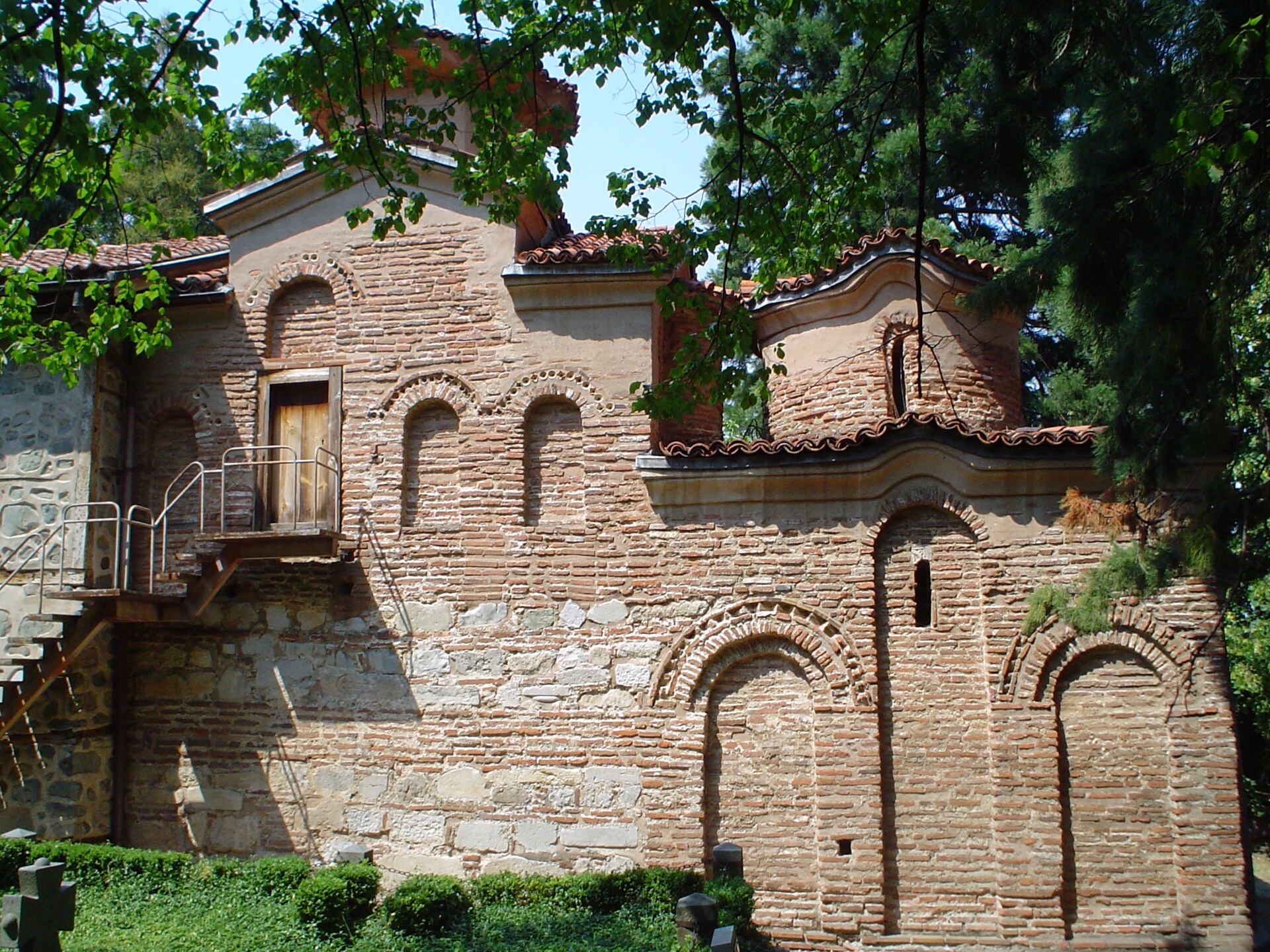
The Boyana Church sits quietly on the outskirts of Sofia, tucked into the foothills of Vitosha Mountain as if trying not to disturb the centuries of history it carries. Built in stages between the 10th and 19th centuries, this small medieval Orthodox church feels more like a hidden treasure than a grand monument. Its unassuming stone exterior gives little hint of what lies inside—walls covered in some of the most remarkable frescoes in the Balkans, paintings that have survived wars, earthquakes, and the slow march of time.
The earliest part of the church dates back to the late 10th or early 11th century, a modest single-nave structure that served as a private chapel for the local nobility. Over the centuries, it grew in layers, each addition reflecting the changing tastes and needs of its patrons. The most significant expansion came in the 13th century under the rule of the Second Bulgarian Empire, when the two-story eastern wing was added. This was the era of the Sebastokrator Kaloyan, a powerful nobleman who commissioned the famous frescoes that now draw visitors from around the world.
What makes the Boyana Church truly special is its art. The frescoes, painted in 1259, are a masterpiece of medieval Bulgarian painting, blending Byzantine traditions with a distinctly local sensibility. The artists, whose names have been lost to time, depicted scenes from the life of Christ, portraits of saints, and even a striking image of the church’s patron, Kaloyan, alongside his wife Desislava. The figures are rendered with an unusual expressiveness—faces show emotion, bodies move naturally, and the colors remain vivid despite the passage of centuries. Some scholars consider these paintings a precursor to the Renaissance, a hint of the artistic revolution that would sweep through Europe a century later.
The church’s interior is intimate, almost claustrophobic in places, with low ceilings and narrow passageways. The frescoes cover nearly every inch of the walls, creating a sense of being surrounded by history. The oldest paintings, from the 11th and 12th centuries, are simpler in style, with bold lines and flat colors, while the 13th-century works are more refined, showing a greater attention to detail and perspective. Later additions, from the 14th to the 19th centuries, include portraits of Bulgarian saints and rulers, a reminder of the church’s enduring role in the country’s spiritual and political life.
Despite its small size, the Boyana Church has played a significant role in Bulgarian history. It survived the Ottoman conquest in the 14th century, though like many Christian sites under Ottoman rule, it was likely neglected for long periods. By the 19th century, it had fallen into disrepair, its frescoes fading and its structure weakened. It wasn’t until the early 20th century that efforts were made to restore the church, a process that continues to this day. In 1979, UNESCO recognized its cultural importance, designating it a World Heritage Site—a rare honor for such a modest building.
Visiting the Boyana Church today feels like stepping into a different era. The surrounding neighborhood is quiet, a mix of modern homes and older houses that have seen Sofia grow from a small medieval town into a bustling capital. The church itself is set in a small garden, shaded by trees and enclosed by a low stone wall. Inside, the air is cool and still, the only sounds the occasional creak of the wooden floorboards and the murmur of visitors. There’s no grand entrance, no elaborate ceremony—just the quiet presence of history, preserved in stone and pigment.
For those interested in medieval art or Bulgarian history, the Boyana Church is a must-see, but it’s also a place that rewards a slower, more contemplative visit. The frescoes aren’t just religious images; they’re a window into the lives of the people who created them, their beliefs, their struggles, and their moments of beauty. The church has seen empires rise and fall, endured centuries of change, and yet it remains, a small but enduring testament to the resilience of culture and faith.
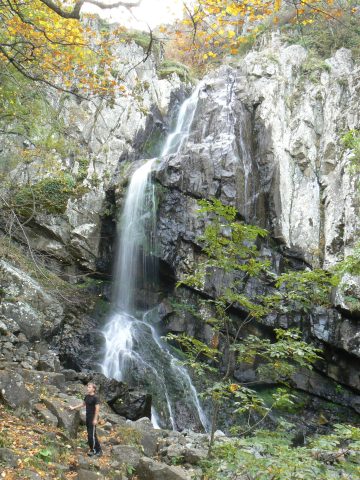
If you’re in Sofia, it’s worth making the short trip to Boyana, not just to see the church itself, but to spend a little time in the neighborhood. The nearby Vitosha Mountain offers hiking trails and fresh air, a contrast to the city’s urban pace. The church is a reminder that history isn’t always found in grand cathedrals or ancient ruins—sometimes, it’s hiding in plain sight, waiting to be discovered in the quiet corners of the world.