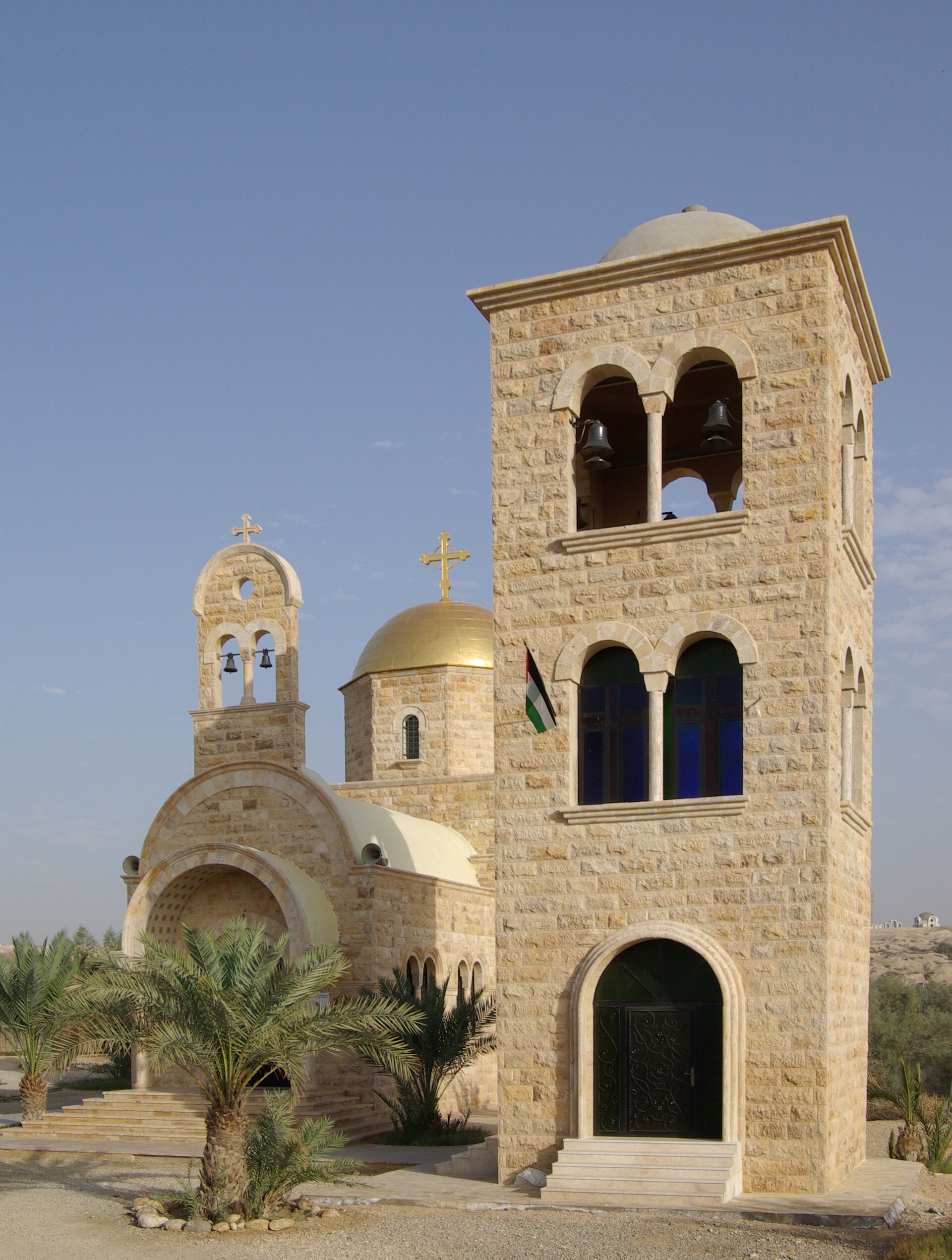
Sebastia is a hilltop town in northern Palestine. The pace of life here slows to match the land. Among olive groves and ancient stone, the Church of St. John the Baptist stands as a witness to centuries of change—wars, conquests, and shifting faiths.
Its limestone walls blend into the landscape. The building doesn’t announce itself with grand facades. Instead, its modest appearance holds a history that stretches back through the ages, layer upon layer of time etched into its stones.
The church marks the final resting place of John the Baptist, a site revered since antiquity. Before the first stones were laid, this hilltop was sacred. The earliest records of a shrine here date to Roman times, when Sebastia was known as Samaria. By the Byzantine period, a basilica had been erected, though only fragments of mosaics and foundations remain today. The current structure is largely Crusader work from the 12th century, built in the solid, unadorned lines of Romanesque architecture. Thick walls, sturdy arches, and vaulted ceilings were designed to endure.
Inside, the church feels sparse. Light filters through narrow windows, casting shadows across worn stone floors. The altar is simple, its centerpiece a small niche believed to hold the relics of John the Baptist. The air is still. Locals and pilgrims come for the quiet sense of connection to something older than the building itself.
Sebastia and its church are a record of a land that has known countless rulers. Romans, Byzantines, Arabs, Crusaders, Mamluks, and Ottomans each left their mark on its architecture and customs. After the Crusaders, the church fell into disrepair. Under Ottoman rule, it became a mosque. In the 19th century, British administration restored it to Christian use. Even then, it remained a quiet corner, overshadowed by Jerusalem and Bethlehem.
Few visitors come today. There are no crowds, no guided tours. The only sounds are steps on stone, pages turning, or a rooster crowing in the valley below. Olive trees dot the hills. From a nearby rise, the view stretches toward the horizon—a landscape beautiful in its understatement.
Why does Sebastia feel special? Because it doesn’t demand attention. The church is less a tourist attraction than a place where history feels tangible. Every weathered stone tells a story. If you listen, you might hear echoes of pilgrims, soldiers, merchants, and monks who passed through these doors. This isn’t a place for spectacle. It’s for those who want to understand how this land has endured.
Time moves differently here. The locals wake with the sun, work the land, and settle into the evening as woodsmoke fills the air. The church is part of this rhythm, as much as the olive trees or the hills. It doesn’t seek admiration. It simply exists, a reminder that some things endure beyond empires.
If you come here, climb the path to the church. Sit on its steps. Look out over the valley. You might find what others have sought—a stillness that doesn’t feel empty, and the quiet certainty that some stories never end.