Sebastia Ancient City
Palestine · 8 places
Photo: Mujaddara, CC BY-SA 3.0
Perched on the rolling hills of the northern West Bank, Sebastia feels like a place where time has settled into the cracks of ancient stones. This small Palestinian town, nestled among olive groves and terraced vineyards, carries layers of history in its quiet streets and crumbling ruins. Once the capital of the ancient Kingdom of Israel and later a key Roman provincial center, it has seen empires rise and fall, leaving behind fragments of their presence—columns, mosaics, and weathered walls that whisper of the past. Today, Sebastia moves at the unhurried pace of rural life, but its significance lingers in the air, tangible and unshaken.
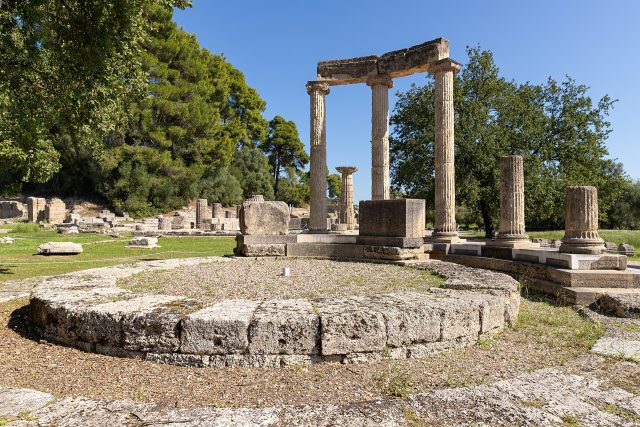
The heart of Sebastia is its archaeological park, sprawling across a hillside where the remnants of a Roman forum, an amphitheater, and a basilica stand in silent testament to the city’s former grandeur. The most striking sight is the colonnade leading to the ruins of the Temple of Augustus, built to honor Rome’s first emperor. Byzantine churches, constructed atop even older foundations, tell a story of shifting faiths and cultures, while nearby, the crumbling fortifications of the Crusader era hint at the battles once fought here. Wandering through these ruins, it’s easy to imagine the voices of merchants, orators, and spectators that once filled the air, long before the stones fell silent.
Life in Sebastia unfolds at a gentle rhythm, far removed from the bustle of more famous destinations. The old town’s narrow, winding streets are lined with stone houses, their warm hues blending into the landscape. In the mornings, the central square comes alive with vendors selling fresh vegetables, spices, and handmade goods, their stalls adding splashes of color to the quiet scene. Locals are accustomed to the occasional visitor, and while tourism isn’t the town’s lifeblood, there’s a quiet hospitality here—especially if you step into one of the family-run shops offering locally pressed olive oil, candied fruits, or traditional sweets. By evening, the streets grow still, the glow of lanterns casting long shadows over the ancient stones, as if the past itself is reluctant to fade into the night.
What makes Sebastia special isn’t grand monuments or crowds of tourists, but the way history feels alive here, unfiltered and immediate. There’s no need for elaborate reconstructions or guided narratives—just the ruins, the landscape, and the stories they carry. Climb the hill at dusk, and the view stretches across the valley, a patchwork of fields and olive trees that hasn’t changed all that much in two thousand years. Or sit beneath an olive tree, listening to a local guide point out the details you might otherwise miss—the worn carving on a column, the faint outline of a mosaic beneath your feet. Sebastia doesn’t try to impress; it simply exists, and in its quiet persistence, there’s a rare kind of magic.
See & Do
All of them
Places on the map
Marker colour follows the categoryClimate and weather
Detailed weather: Sebastia Ancient City- Average temperature
- 22 °C
- Precipitation per year
- 424 mm
Average air temperature
°C
14
14
17
20
24
26
28
29
28
25
20
16
Jan
Feb
Mar
Apr
May
Jun
Jul
Aug
Sep
Oct
Nov
Dec