Perched on a gentle hill above a quiet village, Snappertuna Church feels like a place where time moves at its own unhurried pace, much like the river winding through the valley below. It’s one of those rare spots that seems frozen in the past yet remains quietly alive, untouched by the rush of the modern world. Built in the mid-15th century when this land was still part of Sweden, the church has stood largely unchanged for centuries, its stone walls and steep spire watching over the surrounding meadows, forests, and scattered homes. The road leading up to it winds between boulders and pines, as if inviting travelers to slow down and take in the view.
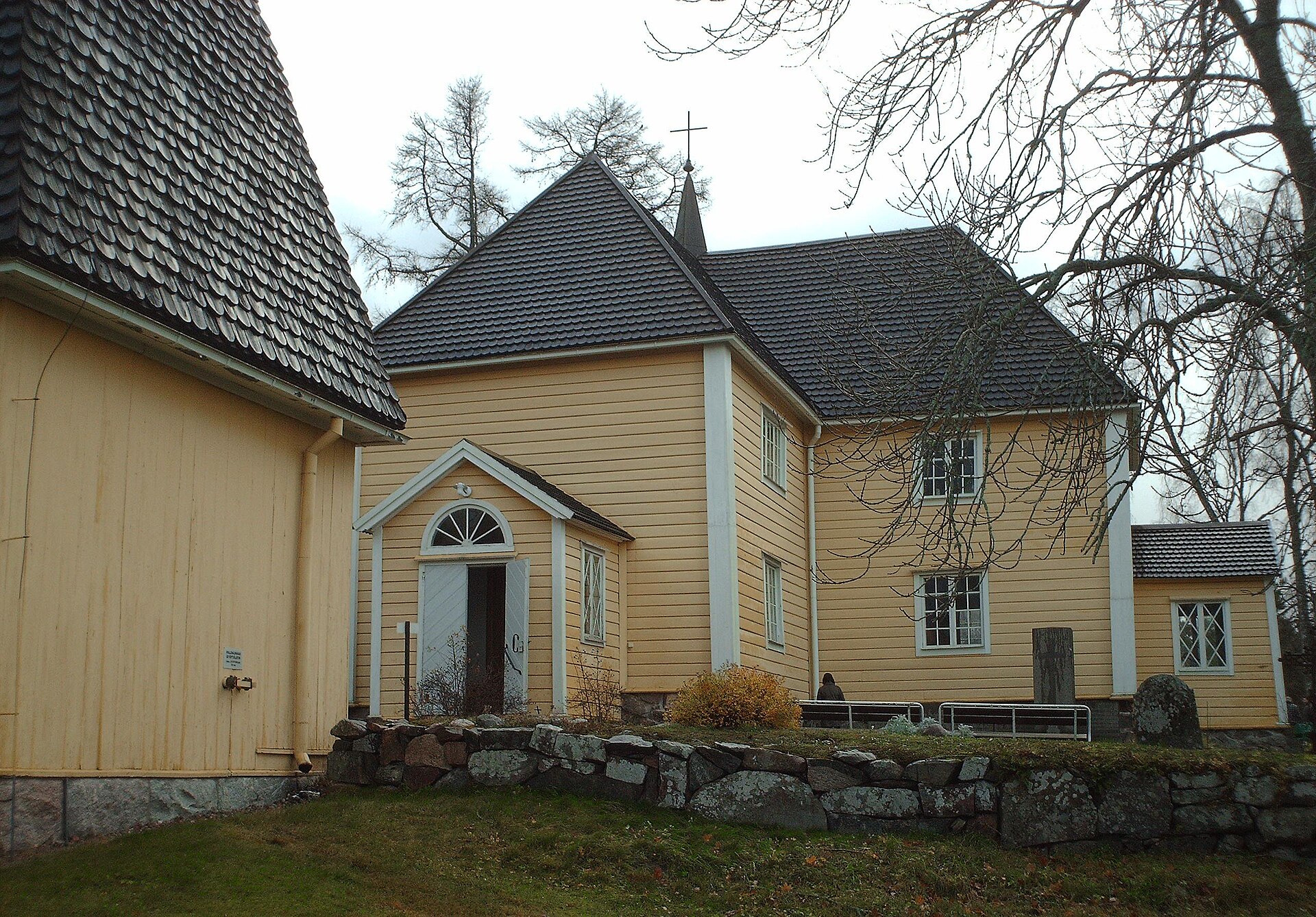
The architecture is simple and unadorned, a hallmark of rural medieval churches. Thick granite walls, narrow arched windows, and a wooden roof covered in tiles give it a sturdy, timeless appearance. Inside, the space is airy but not grand—whitewashed vaults, dark wooden pews, and a modest altar create an atmosphere of quiet reverence. There’s nothing here to distract from the sense of peace that settles over visitors almost immediately. In summer, sunlight streams through the windows; in winter, the warmth of the stoves seeps into the stone. The silence is so deep you can hear the creak of the old beams in the walls.
Snappertuna hasn’t always looked as it does today. During the Reformation in the 16th century, the church lost much of its ornamentation—frescoes, sculptures, and precious liturgical items were removed, leaving behind only the raw materials of stone and wood. Yet even in its stripped-down form, the building retained its essence. In the 19th century, restoration work brought it closer to its original appearance, including the addition of the bell tower, which had previously stood separately. Now, the tower rises above the church like a silent guardian, though the need for such vigilance has long since passed.
For the locals, the church is more than just a historical monument—it’s a place woven into the fabric of their lives. This is where generations have been baptized, married, and laid to rest. Sunday services still take place, though the congregation grows smaller each year as young people leave the village. The church is slowly becoming a quiet repository of memories, a link to those who lived here before. Occasionally, visitors arrive, but they’re few and far between. Snappertuna isn’t the kind of place that makes it into guidebooks. There are no souvenir shops, no guided tours, no crowds posing for photos at the entrance. Just the wind in the pines, the scent of resin, and the distant chime of the bell on holidays.
Autumn is perhaps the most beautiful time to visit. The forests around the church blaze with gold and crimson, and morning mists drift over the valley, making the building seem like a natural part of the landscape, as if it had grown from the earth alongside the trees. In winter, when snow blankets everything, the church takes on a particularly solitary air, its silhouette stark against the white expanse. Snow drifts over the roof, the stone steps, and the old gravestones in the surrounding cemetery. Those stones bear the names of people who once tilled these fields, fished in the nearby lakes, raised their children, and prayed within these walls.
The cemetery is a story in itself. Small but ancient, it holds gravestones dating back to the 17th century, their inscriptions worn smooth by time, rain, and frost. Some are barely legible, yet they still stand as silent witnesses to lives long past. Occasionally, fresh flowers appear on a grave—proof that someone still remembers, still comes to pay their respects. In Finland, tending to the graves of ancestors is a deeply rooted tradition, and that care is palpable even in a place as quiet as Snappertuna.
The church is open to visitors during the warmer months, though there’s no strict schedule. If the doors are unlocked, you’re welcome to step inside, sit on a pew, and let your thoughts wander. There’s something about the place that makes reflection easy—perhaps it’s the stillness, or perhaps it’s the knowledge that these walls have absorbed centuries of prayers and conversations. Sometimes, small concerts or local art exhibitions are held here, not to turn the church into a tourist attraction, but to breathe life back into it, to remind everyone that it’s not a museum but a living space where people still gather.
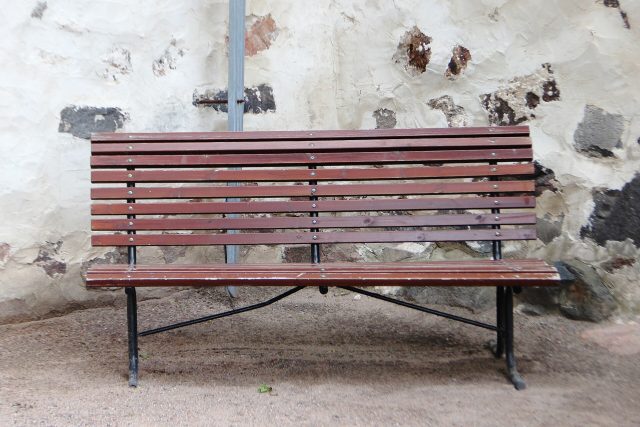
If you ever find yourself in this part of Finland, don’t rush past. Take a moment to climb the hill, sit on the bench by the entrance, and watch the sun dip behind the trees. See how the shadows lengthen, how the air fills with the scent of pine and damp earth. There’s nothing extraordinary here—just a church, a cemetery, and the forest beyond. But that’s the beauty of Snappertuna: it doesn’t try to impress or dazzle. It simply exists, as it has for hundreds of years, and in that quiet persistence lies its understated power.