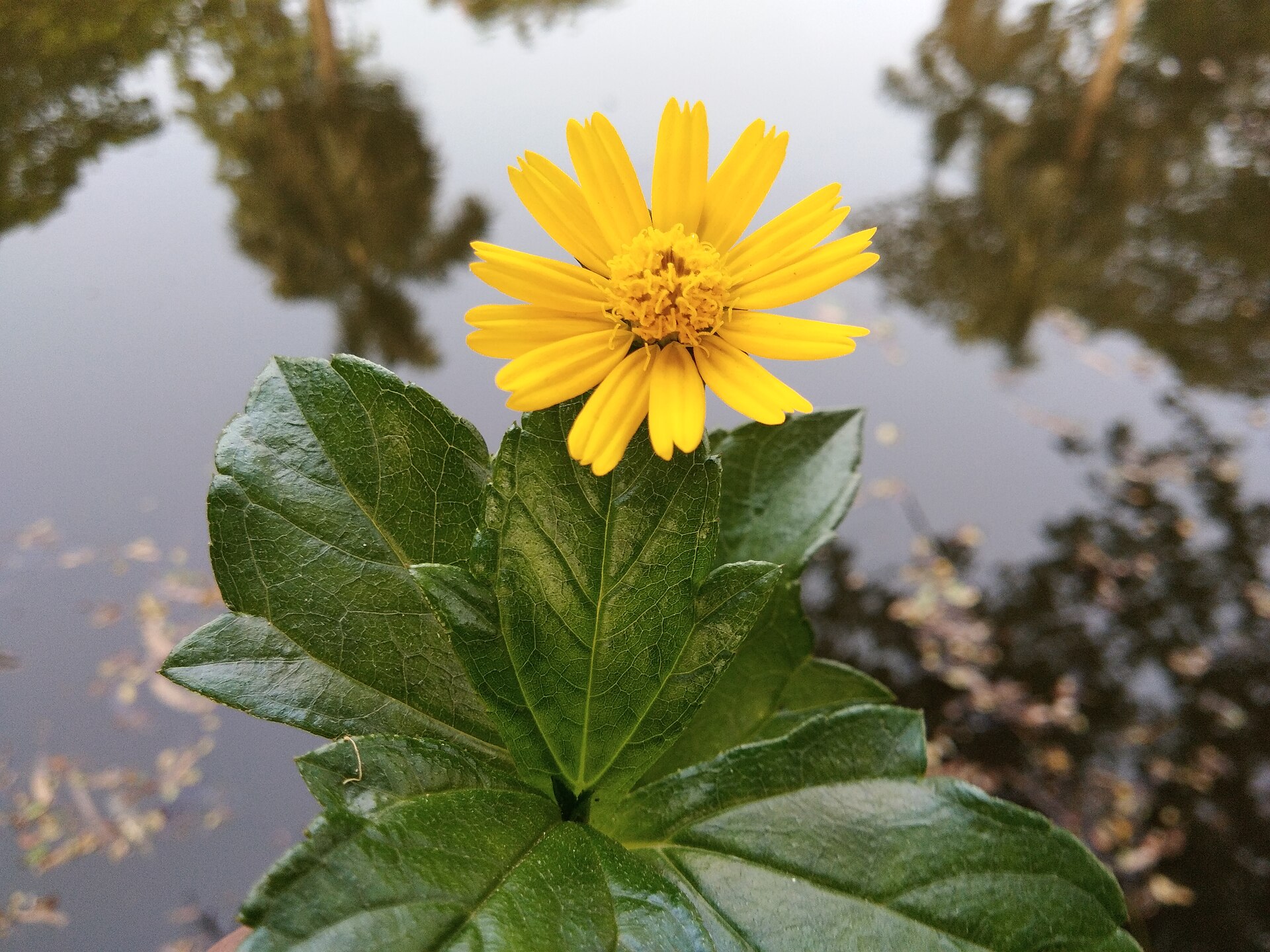
Rajshahi Central Park is one of those rare urban spaces where the city’s usual clamor fades into the background, replaced by quiet and greenery. Tucked in the heart of the city, it offers a small but welcome respite from the dense buildings and busy streets. There are no grand fountains or towering monuments here—just wide lawns, shaded pathways, and a pace of life that feels refreshingly unhurried. It’s the kind of place where time seems to slow down, if only for a little while.
The park took shape in the mid-20th century, when Rajshahi was growing into an administrative and educational hub. The city needed a public space where people could relax, stroll, and enjoy the outdoors, so the first trees were planted, many of which still stand today. Over the years, the park expanded—more walkways were added, benches appeared, and small pavilions were built—but its essence remained unchanged. It’s a place that feels well-worn in the best way, cared for but never pretentious.
There’s nothing flashy about the park’s design, and that’s part of its charm. The paths are neatly paved, wooden gazebos offer shade from the sun, and a few small bridges cross over artificial ponds. The water isn’t always crystal clear, but that doesn’t matter much. What lingers is the atmosphere—the rustling leaves, the birdsong, the murmur of conversations drifting through the air. It’s the kind of place where details matter more than grand gestures.
For locals, the park is woven into daily life. Mornings bring people out for yoga or a quiet walk before work. By afternoon, students from nearby colleges fill the benches, reading or debating their latest lessons. Evenings belong to families, young couples, and older residents who come to unwind. On weekends, the park buzzes with activity—picnics on the grass, impromptu photoshoots, or just people sitting back to watch the world go by.
Though modest in scale, the park plays a bigger role in the city than its size might suggest. It’s not just a green space but a gathering spot, a venue for small festivals, and a backdrop for everyday moments. Occasionally, local musicians perform here, or cultural events celebrate traditions with music, food, and laughter. On those days, the park feels alive in a different way, transformed into a stage for shared joy.
There are no strict rules here, which makes it feel genuinely open to everyone. You can come alone with a book and spend hours in quiet solitude, or join a group for a picnic. Children run across the lawns, chasing balls or riding bikes, while adults wander the paths or sit on benches, watching the scene unfold. In the heat of the day, the shade of the trees is a relief, and by evening, the air cools, carrying the scent of earth and leaves.
Over time, the park has become more than just a place to relax—it’s a symbol of Rajshahi itself. It reflects the city’s unhurried, welcoming nature, a little old-fashioned but full of warmth. There’s no rush here, no pressure to do anything but be present. For visitors, it might seem too simple at first glance, but that’s where its appeal lies. It’s a place where you can see the real Bangladesh—not polished for tourists, but lived in and loved.
If you find yourself in Rajshahi, take a moment to step inside. Sit on a bench, listen to the sounds around you, and watch the people passing by. You might not find anything extraordinary, but sometimes the most ordinary places leave the deepest impression. After all, the best memories often come from the quiet, unassuming moments in between.