- Home
- Bangladesh
- Rajshahi

Rajshahi
Bangladesh · 8 places
Photo: Ashis Saha, CC BY-SA 3.0
Rajshahi is the kind of place that slips under the radar for most travelers, and that’s exactly what makes it worth discovering. There are no crowds jostling for space, no tour buses idling at every corner, no vendors hawking trinkets with rehearsed enthusiasm. Instead, you’ll find the unhurried rhythm of a Bangladeshi provincial city, where the day unfolds to the call of muezzins and the slow arc of the sun rather than the ticking of a clock. Perched on the banks of the Padma River, Rajshahi was once a vital trading hub on the route between India and Southeast Asia, and traces of that past linger in its older quarters. Here, narrow lanes twist between houses with intricately carved wooden balconies, their facades bearing the quiet dignity of a city that has seen centuries come and go.
If Bangladesh’s reputation for exquisite silk has ever piqued your curiosity, Rajshahi is where the story begins. The city and its surrounding villages are home to generations of artisans who have perfected the craft of sericulture, passing down techniques that transform the delicate threads of silkworm cocoons into the fine fabrics used in saris and scarves. Visiting a local workshop offers a rare glimpse into this process—from the patient labor of the worms spinning their cocoons to the rhythmic clatter of looms weaving threads into cloth. The weavers are often happy to explain the nuances of their work, and if you’re lucky, they might even offer you a cup of spiced tea, a small but meaningful gesture of hospitality in a place where warmth is measured in more than just degrees.
Beyond silk, Rajshahi is a gateway to some of the region’s most compelling historical sites. Just a short drive away lies Puthia, where the ruins of an 8th-century Buddhist monastery stand as silent witnesses to a bygone era. Crumbling stupas and fragments of stone carvings hint at the grandeur that once was, though today the site feels more like a quiet meditation on time’s passage than a polished tourist attraction. Closer to the city, the ancient settlement of Wari-Bateshwar offers a glimpse even further back in history, with artifacts dating back centuries before the Common Era. These sites are a treasure trove for history enthusiasts, though they come with minimal infrastructure—no neatly labeled signs or guided tours, just the raw, unfiltered remnants of the past.
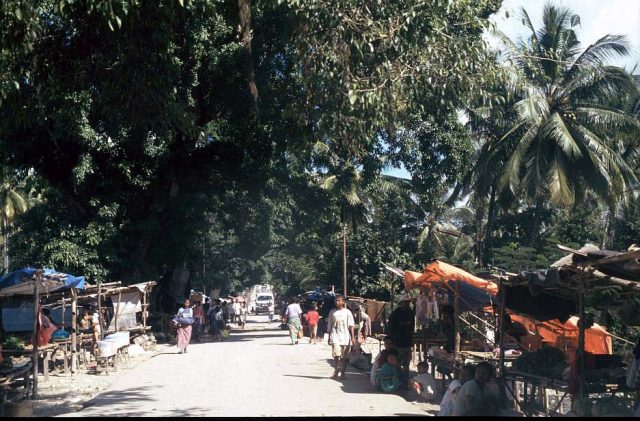
Life in Rajshahi moves at its own unhurried pace. Mornings begin with bustling markets, where vendors sell fresh produce, spices, and the day’s catch, filling the air with the sharp tang of turmeric and the smoky scent of grilled fish. By midday, the heat drives most people indoors, leaving the streets quiet except for the occasional rickshaw weaving through the shade. But as the sun dips lower, the city stirs to life again. Chai stalls open their doors, men gather for games of carrom or chess, and children kick up dust playing cricket in empty lots. There are no high-end restaurants or trendy cafes here, but that’s part of the charm. Instead, you can duck into a humble eatery and try dishes like mustard-glazed hilsa or lamb pilaf, prepared the way they have been for generations.
The Padma River, which flows past Rajshahi, is more than just a scenic backdrop—it’s the lifeblood of the city. During the monsoon season, it swells so dramatically that the opposite bank vanishes into the haze, a reminder of the river’s power. Locals still speak of the days when steamers plied these waters, connecting Rajshahi to Dhaka and Kolkata, though today the river is quieter, its currents carrying only the occasional fishing boat. At dawn, you can watch the fishermen return with their catch, their wooden boats cutting through the mist. By evening, the riverbank becomes a gathering place for families—some strolling along the water’s edge, others sitting on the grass, watching the sky turn gold and pink. In moments like these, Rajshahi feels suspended in time, a place where the past and present coexist without fuss or fanfare.
See & Do
8 places

Places on the map
Marker colour follows the categoryClimate and weather
Detailed weather: Rajshahi- Average temperature
- 25 °C
- Precipitation per year
- 1552 mm
Average air temperature
°C
17
20
25
30
29
30
29
29
28
27
23
19
Jan
Feb
Mar
Apr
May
Jun
Jul
Aug
Sep
Oct
Nov
Dec