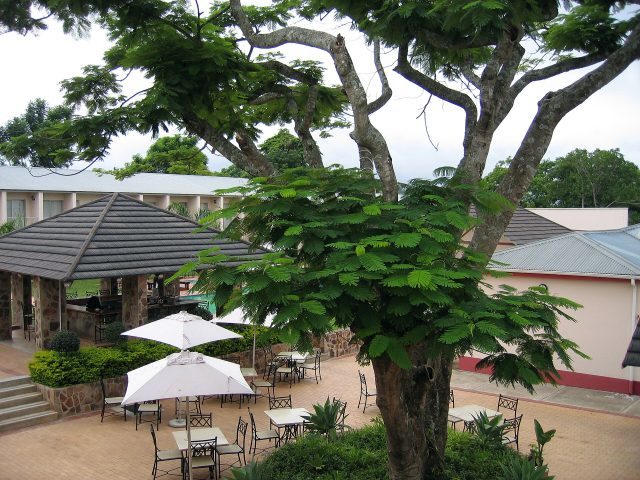
Manzini’s Central Park doesn’t announce itself at first glance. Tucked away in the city’s heart, it offers a quiet pause from daily life. The hum of traffic fades into the rustle of leaves and murmur of conversations. It isn’t sprawling, but its size doesn’t stop it from being part of the city’s rhythm—people come to unwind, meet friends, or sit still.
The park’s history is tied to Manzini’s own story. What was once the outskirts of a growing settlement became a gathering spot. Over the years, it turned into a public space for strolling, chatting, and small events. Locals say deals were struck under its trees, news was shared, and decisions were made. Today, it still serves that purpose.
You’ll find people here out of habit—some with a book, others catching up, a few just sitting quietly.
The park’s design is simple. Well-kept paths, shaded benches, and small open areas let people gather. Trees provide shade, and walkways stay dry after rain. Occasionally, stalls pop up in the center for markets or exhibitions. Local artisans sell handwoven baskets or beaded jewelry, their work part of the everyday scene.
Beyond relaxing, the park is a social hub. On weekends, small concerts take place. Musicians bring guitars or drums, and people gather to listen. The music ranges from traditional Swazi melodies to modern rhythms. For many, the park is like an extension of their living room—a place to run into neighbors or watch the world go by.
Central Park has no pretense. It’s for locals, and that’s why it feels genuine. Visitors notice the authenticity—no one performs, no one tries to impress. People speak SiSwati or English, and if you sit long enough, you pick up the city’s unspoken rhythms.
Mornings bring older residents for walks or light exercise. By midday, mothers with children fill the space. Evenings see teenagers and young adults gathering. Some feed birds, others read the newspaper, a few just sit with their eyes closed. Weekends bring picnics, board games, and people sprawled on the grass.
Central Park isn’t just a patch of green. It shifts with the seasons and the moods of its people—sometimes a venue for celebrations, other times a quiet refuge, often a meeting place. There’s no strict schedule; things happen naturally. That’s why it’s beloved—it doesn’t demand attention, it just exists, as much a part of the city as the streets.
For first-time visitors, the park might seem like any urban green space. But spend time here, and you see it holds Manzini’s spirit—the unhurried pace, the quiet energy, the way the city breathes. If you want to understand this place, Central Park is a start. It doesn’t offer grand sights, but it offers something rarer: a glimpse into everyday life.