Drama Centre is one of those quiet corners of Singapore where theatre isn’t just a performance—it’s a way of life. Tucked away in Boon Keng, a neighborhood that rarely makes it onto tourist maps, the building doesn’t demand attention with flashy facades or neon signs. Instead, it offers something far more valuable: a space where the art of the stage feels intimate, unhurried, and deeply human. There are no crowds here, no selfie sticks or hurried footsteps. Just the quiet hum of anticipation before the lights dim, and the sense that what happens on this stage matters in a way that goes beyond entertainment.
The story of Drama Centre began in 1999, when Singapore’s National Arts Council set out to create a dedicated home for dramatic arts. Unlike the city’s grand concert halls or multipurpose venues, this was never meant to be a place of compromise. No concessions to commercial tastes, no pressure to fill seats with blockbuster shows. From the start, the idea was simple: a theatre where the craft could exist on its own terms. The building itself was designed with purpose—its acoustics, sightlines, and layout all shaped to serve the performers and the audience, not the other way around. Over the years, it has become a sanctuary for independent theatre companies, experimental works, and artists who might otherwise struggle to find a platform.
From the outside, Drama Centre is unassuming. The architecture is clean and functional, with none of the ornate flourishes that often define cultural landmarks. But step inside, and the space reveals its careful design. The main auditorium seats around three hundred people, arranged so that no one feels distant from the action. Whether it’s a minimalist one-act play or a sprawling ensemble piece, the setup ensures that every whisper, every gesture, every shift in lighting lands with precision. There’s no grandiosity here—just the quiet confidence of a space built for the art itself.
What makes Drama Centre special is the kind of work it champions. This isn’t a place for safe, crowd-pleasing productions. Instead, it’s where you’ll find bold reinterpretations of classics, boundary-pushing new works, and voices that might otherwise go unheard. The centre has hosted festivals of contemporary playwriting, workshops led by renowned directors, and premieres of plays by local writers. It’s a hub for the theatre community, a place where artists can take risks without the pressure of commercial success. For audiences, that means the chance to see something unexpected—something that lingers long after the final curtain.
Education is woven into the fabric of Drama Centre. Regular lectures, open rehearsals, and post-show discussions peel back the layers of what it takes to create theatre, offering a behind-the-scenes look at the craft. For many young Singaporeans, this is their first real encounter with theatre as something more than entertainment—as a discipline, a tradition, and a living conversation. The centre partners with schools and universities, inviting students to engage with performances in a way that goes beyond passive viewing. It’s an effort to cultivate an audience that values depth as much as spectacle, and it’s working. The people who come here don’t just watch; they listen, question, and return.
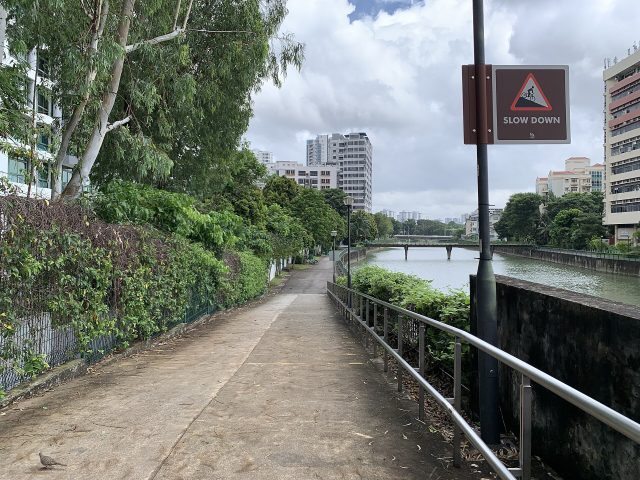
Boon Keng, the neighbourhood that surrounds Drama Centre, is the kind of place that rewards those who take the time to look. It’s not a tourist hotspot, and that’s precisely its charm. There are no towering malls or bustling promenades, just quiet streets lined with low-rise shophouses, small cafes, and family-run eateries. The pace is slower here, the atmosphere more local. It’s the kind of place where you might grab a coffee before a matinee and end up chatting with the barista about the play you’re about to see. The area is changing, as all of Singapore does, but for now, it retains a sense of community—a reminder that culture isn’t just something you consume, but something you live.
A visit to Drama Centre offers a different perspective on Singapore. There’s no glitz, no luxury, no polished veneer. Instead, there’s authenticity—a quality that’s increasingly rare in a city where so much is designed for mass appeal. The plays performed here reflect the city’s linguistic and cultural diversity, with productions in English, Mandarin, Malay, and Tamil. For anyone curious about the heartbeat of Singaporean theatre, this is where it can be felt most clearly. It’s not about grandeur or fame; it’s about the quiet power of stories told well.
Occasionally, Drama Centre hosts retrospectives or thematic series that dive deep into a particular era, movement, or artist. These aren’t just performances; they’re immersive experiences that place theatre within a broader context. Imagine an evening dedicated to the evolution of Singaporean playwriting, complete with archival footage, panel discussions, and rare recordings. For theatre lovers, these events are a gift—a chance to connect the dots between past and present, to hear from the people who shaped the scene, and to understand how far it’s come.
What makes Drama Centre worth seeking out isn’t what it has, but what it lacks. There are no crowds, no pretensions, no pressure to perform for tourists. Instead, there’s the rare opportunity to be part of something real—a community of artists and audiences who believe in theatre’s ability to challenge, move, and surprise. In a world where culture is often packaged and sold, places like this remind us that art can still be honest, raw, and alive. It’s not about the spectacle; it’s about the connection. And in a city that moves as fast as Singapore, that’s something worth holding onto.