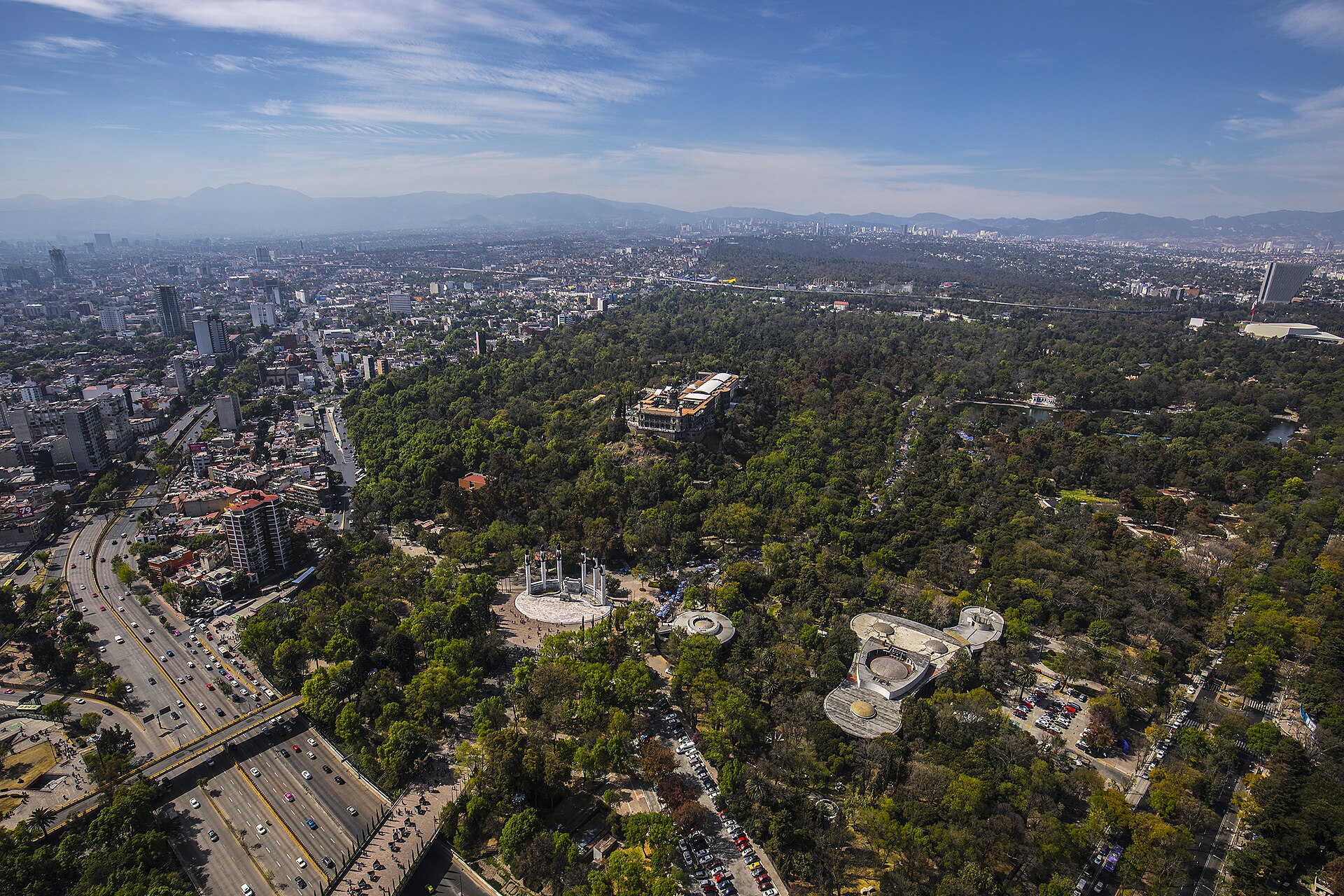
Chapultepec is one of those rare places where a city’s past and present don’t just coexist—they breathe together. Perched in the heart of Mexico City, this sprawling green expanse feels like a world apart, though it’s only a short walk from the hum of downtown. The name comes from Nahuatl, meaning "the hill of the grasshoppers," a nod to the insects that once filled the air when this was still a forested retreat above the valley. Today, the park is a living archive of Mexico’s layers—indigenous roots, colonial imprints, and the restless energy of a modern metropolis.
Long before it became a public park, Chapultepec was sacred ground. The Aztecs revered it as a source of fresh water, channeling springs from the hill into Tenochtitlan through intricate aqueducts. Their rulers built palaces here, including those of Moctezuma I and Moctezuma II, where the empire’s elite retreated from the city’s heat. When the Spanish arrived, they repurposed the site, blending European architecture with the existing landscape. Some of the old water systems still linger, half-hidden among the trees, a quiet reminder of how this place once sustained an entire civilization.
By the 19th century, Chapultepec had become a stage for Mexico’s turbulent history. The castle crowning the hill witnessed one of the country’s most defining moments: the Battle of Chapultepec during the Mexican-American War. In 1847, young cadets—later mythologized as the Niños Héroes—chose death over surrender, their defiance etched into national memory. The castle itself, now a museum, traces Mexico’s evolution from colony to republic, its terraces offering sweeping views of the city below. On clear days, the sprawl of Mexico City stretches endlessly, a reminder of how far the country has come since those fraught days.
But Chapultepec isn’t just a monument to the past. It’s a place where the city exhales. Families come on weekends to spread blankets under the trees, vendors sell roasted elote from carts, and musicians set up in the shade, filling the air with marimba or norteño tunes. The park’s lakes are dotted with paddleboats, their riders laughing as they drift past ducks and water lilies. Nearby, the Chapultepec Zoo—one of the oldest in Latin America—draws crowds with its pandas and jaguars, though the real spectacle is often the people themselves: students sketching on benches, elderly couples feeding pigeons, children chasing each other through the paths.
The museums here are more than just repositories of art and history—they’re portals into Mexico’s soul. The National Museum of Anthropology, just inside the park’s main entrance, holds treasures that span millennia: the colossal Olmec heads, the intricate Aztec Sun Stone, and meticulously reconstructed temple facades. It’s a place where visitors can stand inches away from artifacts that shaped entire civilizations. A short walk away, the Museum of Modern Art offers a different kind of time travel, with works by Frida Kahlo, Diego Rivera, and José Clemente Orozco. Their paintings don’t just depict Mexico—they argue with it, celebrating its beauty while wrestling with its contradictions.
What makes Chapultepec feel alive is how effortlessly it absorbs the city around it. The park’s edges blur into neighborhoods that tell their own stories: colonial-era mansions with wrought-iron balconies, sleek glass towers looming in the distance, and quiet side streets where cafés spill onto the pavement. Even the presidential residence, Los Pinos, once a symbol of seclusion, now opens its doors to the public, its gardens and halls offering a glimpse into the country’s political life. The contrast is striking—here, history isn’t locked behind glass; it’s something you can touch, or at least lean against while eating a tamal from a street vendor.
There’s no single way to experience Chapultepec. Some come for the museums, lingering for hours over pre-Columbian pottery or Rivera’s murals. Others treat it as a refuge, escaping the city’s noise with a book under a jacaranda tree. On summer evenings, the park transforms into an open-air concert hall, the music drifting across the lawns. In winter, the scent of roasted chestnuts and hot chocolate mingles with the crisp air, drawing crowds to the food stalls. The park doesn’t demand anything of its visitors—it simply offers itself, in all its messy, vibrant complexity.
What lingers after a visit isn’t just the memory of a particular monument or museum, but the sense of having walked through Mexico’s living pulse. In a city where the past is never far away, Chapultepec doesn’t just preserve history—it lets you step inside it. Whether you’re watching the sunset from the castle’s terrace, watching children play near the lake, or simply sitting on a bench as the city hums around you, the park reminds you that history isn’t something that happened long ago. It’s happening now, in the laughter of strangers, the rustle of leaves, and the quiet persistence of a place that has seen empires rise and fall—and yet still stands.