Bugrinskaya Grove: A Patch of Taiga in Novosibirsk
Novosibirsk moves fast. But on the right bank of the Ob River, the city’s noise fades into the rustle of pine needles and the crackle of dry leaves underfoot. Bugrinskaya Grove covers over two hundred hectares—enough space to wander for hours without retracing your steps. Here, the seasons dictate the pace: summer air smells of resin, autumn turns birch leaves gold, winter buries the trails in snow, and spring wakes the frogs in the ponds.
This land wasn’t always a park. In the early 1900s, farmers grew crops and grazed cattle here. By the 1960s, the city had claimed it, adding benches and lampposts along the first walking paths. Still, the grove kept its wild edges—no fences, no maps, just trails that fork and fade into the undergrowth.
A wooden chapel stands near one of the ponds. Built in the early 2000s, it’s small, unadorned, and easy to miss. Nearby, oak trees—some over a hundred years old—tower above the younger pines. Their roots dig into soil that remembers plows and hooves.
The grove’s ponds are its heart. Connected by shallow streams, they’re home to perch, crucian carp, and ducks that nest in the reeds. In winter, the ice thickens enough for skating. In summer, locals fish from the banks or wade into the shallows to cool off. The water is murky, but clean—no factories upstream, no runoff from busy roads.
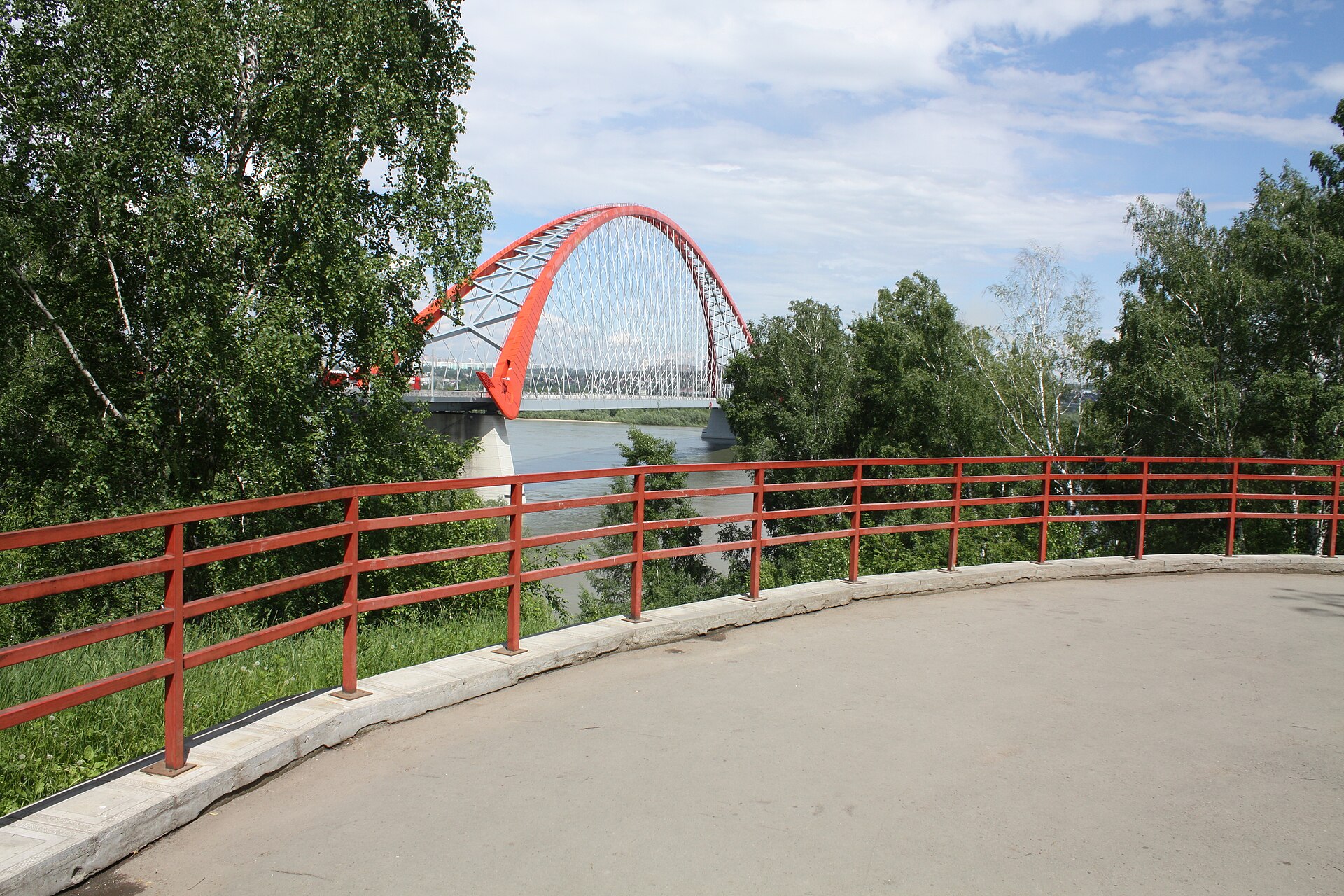
You can walk or cycle here. The main trail follows the Ob River, offering views of the opposite bank. Signs point the way, but most people ignore them, turning onto narrower paths that lead to quieter spots. In winter, the same trails fill with skiers. The snow muffles sound, so all you hear is your breath and the occasional creak of a branch.
The grove feels remote, though it’s only a short tram ride from the city center. Trees block the wind, and the lack of roads means no traffic noise—just the hum of insects in summer, the crunch of snow in winter. Evenings are best: families grill shashlik by the water, couples walk hand in hand, and lone joggers loop the ponds under the streetlights.
Events happen here, but they don’t define the place. In summer, musicians play near the chapel. In winter, volunteers organize sleigh rides. But most days, the grove belongs to the regulars—dog walkers, mushroom pickers, old men playing chess on the benches.
The city has tried to tame it. They’ve dredged the ponds, planted saplings, and paved some paths. But the grove resists. Roots crack the asphalt. Branches sag under snow. The wildness seeps back in.
Come here when you need to remember what Novosibirsk was before the streets and the crowds. Bring a thermos of tea. Stay until the light fades.