The Huntington Library, Art Museum, and Botanical Gardens is one of those rare places where time seems to slow down, even as the sprawl of Los Angeles hums just beyond its borders. Tucked into the quiet suburb of San Marino, this expansive estate feels like a world apart—a carefully crafted sanctuary where nature, art, and history intertwine. It began as the private vision of Henry E. Huntington, a railroad tycoon and voracious collector whose passions extended far beyond business. In the early 1900s, he transformed his family’s ranch into a place where rare books, fine art, and living plants could coexist, offering a retreat from the growing chaos of urban life. What emerged was not just a garden, but a legacy—one that has grown into one of Southern California’s most cherished cultural landmarks.
The layout of the gardens reflects Huntington’s meticulous taste, where every path, every planting, and every architectural detail was chosen with intention. The estate’s centerpiece is the library, a stately building housing an extraordinary collection of manuscripts, early printed books, and literary treasures. Surrounding it, the classic English garden unfolds with manicured lawns, clipped hedges, and gentle fountains, evoking the quiet elegance of a bygone era. There’s a sense of discovery here, as winding walkways lead to hidden groves, unexpected vistas, and pockets of shade where visitors can linger without hurry. The gardens were designed not just for beauty, but for contemplation—a place where the mind could wander as freely as the feet.
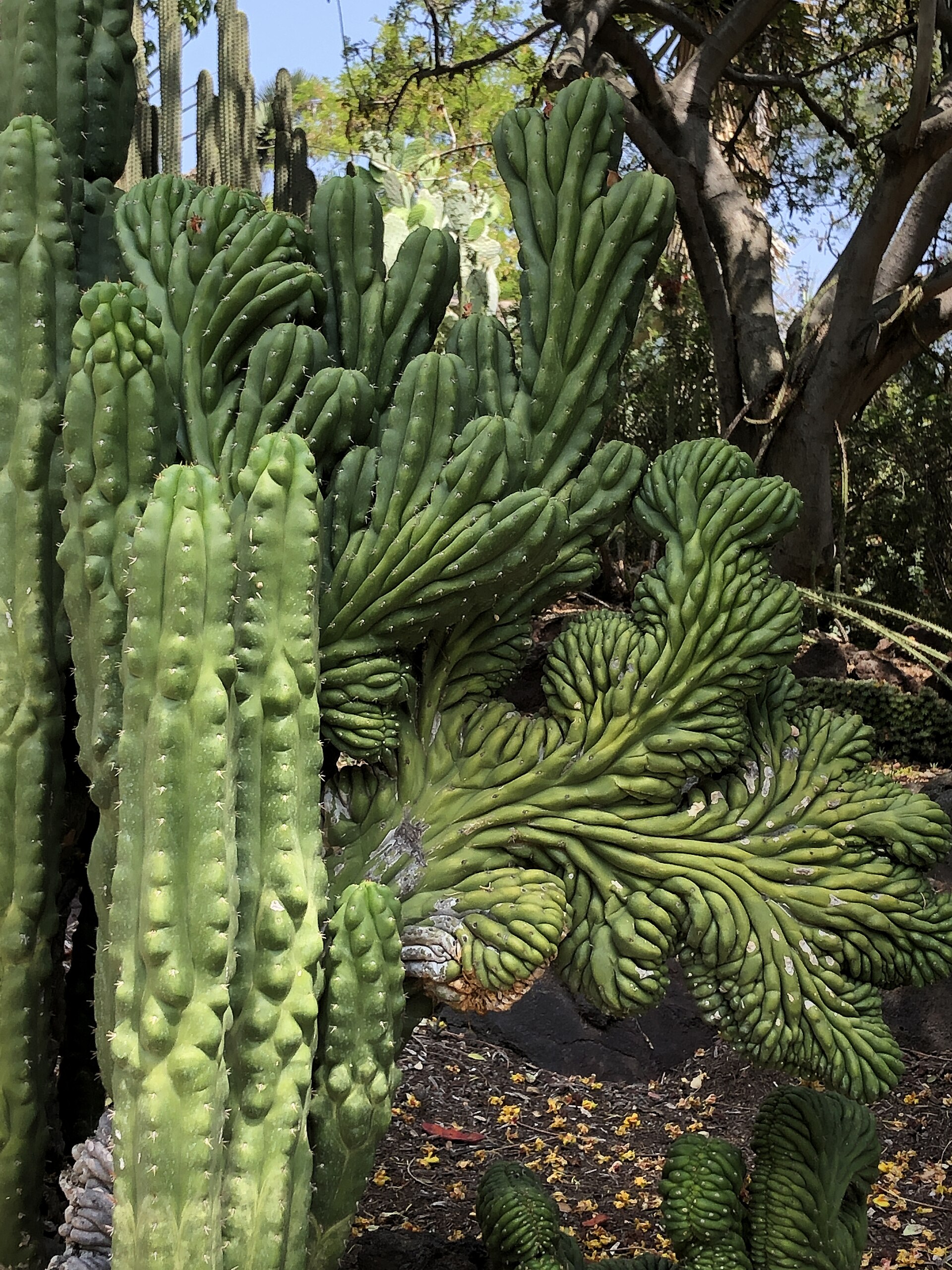
One of the most striking contrasts within the gardens is the Desert Garden, a vast collection of cacti and succulents that feels almost otherworldly. With over 5,000 species, it’s one of the largest assemblages of its kind in the world, showcasing the stark, sculptural beauty of arid landscapes. Towering agaves, spiky yuccas, and columnar cacti stretch toward the sky, their forms accentuated by the play of light and shadow. This section of the garden is a reminder of California’s diverse ecosystems—far removed from the coastal palms and golden beaches, it speaks to the resilience of life in the harshest of environments. The plants here thrive with minimal water, their survival a testament to nature’s adaptability.
Equally captivating is the Japanese Garden, one of the oldest in the United States, completed in 1912. Designed to embody harmony and tranquility, it features all the hallmarks of traditional Japanese landscaping: a koi-filled pond, stone lanterns, arched bridges, and a teahouse where visitors can pause for reflection. The garden is a study in balance, with carefully placed rocks, pruned trees, and still water creating a sense of timelessness. In spring, cherry blossoms drift like pink snow over the pathways, while autumn brings a fiery display of maple leaves. The garden’s design encourages slow, mindful exploration, with each turn revealing a new perspective—a moss-covered boulder, a trickling stream, or a perfectly framed view of the distant mountains.
More recent but no less impressive is the Liu Fang Yuan, or the Garden of Flowing Fragrance, a classical Chinese garden that opened in 2008. Built in collaboration with artisans from Suzhou, it’s a masterpiece of symbolism and craftsmanship, where every element—from the carved stone bridges to the carefully selected plants—carries meaning. Pavilions with intricate latticework overlook a central lake, while winding paths lead past waterfalls, rockeries, and a small open-air theater. The garden is designed to evoke the literati gardens of imperial China, where scholars once gathered to write poetry, paint, and engage in philosophical debate. Even the plants here are chosen for their cultural significance: pine trees symbolize endurance, bamboo represents flexibility, and plum blossoms stand for resilience in adversity.
Beyond these major collections, the gardens offer a wealth of smaller, equally enchanting spaces. The Rose Garden, for instance, is a fragrant maze of over 1,200 cultivars, from velvety hybrid teas to delicate old garden roses. In summer, the air is thick with their perfume, and the sheer variety of colors—deep crimsons, soft pinks, buttery yellows—can be overwhelming. Nearby, the Tropical Garden feels like a slice of the Amazon, with towering bamboo, banana trees, and orchids clinging to moss-covered branches. The Subtropical Garden, meanwhile, showcases plants from Mediterranean climates around the world, their silvery leaves and gnarled trunks adapted to dry summers and mild winters. Each season brings its own highlights: magnolias and camellias in winter, lotus blooms in summer, chrysanthemums in autumn.
What makes the Huntington so special, though, is not just its botanical diversity, but the way it invites visitors to step out of the rush of modern life. There are no crowds jostling for the perfect photo, no loud announcements or hurried footsteps. Instead, there’s space to wander, to sit on a bench and watch the light change over the gardens, or to lose track of time in the quiet aisles of the library. The estate’s cafés and gift shops are understated, offering simple pleasures—a cup of tea, a book on gardening, a small potted succulent to take home. For many Angelenos, the Huntington is a place of refuge, a green oasis where the noise of the city fades into the background.
The gardens are also a living record of Southern California’s evolution. When Huntington first began developing the estate in the early 1900s, Los Angeles was still a young, rapidly growing city, and the gardens became one of its first great public spaces. Over the decades, they’ve expanded and adapted, reflecting changing tastes in horticulture and design. The Japanese Garden, for example, was initially met with skepticism—exotic, foreign landscapes weren’t yet part of the American imagination—but today it’s one of the most beloved parts of the estate. Similarly, the Chinese Garden, added nearly a century later, speaks to the region’s growing cultural diversity. The Huntington has always been more than just a collection of plants; it’s a place where history, art, and nature intersect, offering a glimpse into the past while remaining firmly rooted in the present.
For those who visit, the Huntington is an experience that lingers long after the gates close. It’s a place where the boundaries between indoors and outdoors blur, where a stroll through the gardens can lead to an unexpected encounter with a rare manuscript or a masterpiece of art. It’s a reminder that beauty doesn’t have to be grand or ostentatious to leave a lasting impression—sometimes, it’s found in the quiet rustle of leaves, the scent of roses after rain, or the way sunlight filters through the branches of an ancient tree. In a city known for its relentless pace, the Huntington offers something far more precious: the chance to slow down, to breathe, and to remember what it means to simply be.