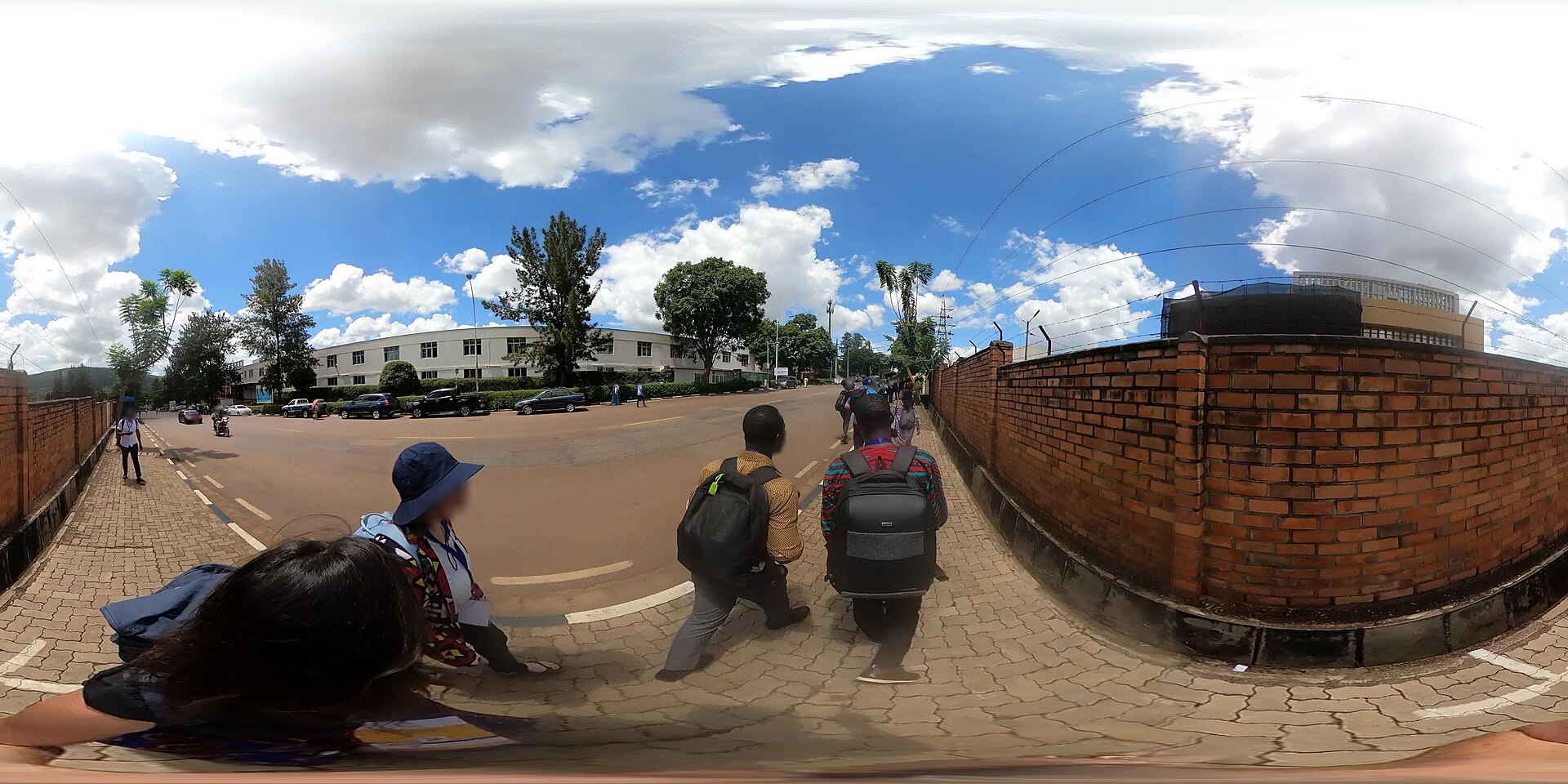
Busogo Hospital stands in a small town in northern Rwanda. It has been a medical facility and a social hub for decades. Here, people receive treatment, learn, and find support in ways that shape daily life for Rwandans. The hospital connects, adapts, and endures.
Its story starts in the mid-20th century under Belgian colonial rule. Medical care in the region was scarce, and the hospital’s arrival changed things. European doctors and nurses brought medicine and new ideas about hygiene and public health. Over the years, the hospital became a cornerstone of healthcare in northern Rwanda, surviving civil war, genocide, and rebuilding. Each era left its mark, but the hospital remained a constant presence.
The buildings are simple. Brick and concrete structures blend into the landscape. The main building, surrounded by trees and a small garden, looks more like a school than a hospital. Inside, long corridors lead to wards with metal beds. Offices hold handwritten records and basic equipment. There’s an X-ray room and an operating theater. Modern additions have appeared, but the place still feels grounded in its original purpose.
For the people of Busogo and nearby villages, the hospital is part of life. Families travel long distances, sometimes on foot, to seek care. Children are born here. Chronic illnesses are managed. Emergencies—snakebites, accidents—are handled with available resources. Staff know their patients by name. Patients trust them like neighbors. Care isn’t separated from daily life by sterile walls or bureaucracy.
The hospital also trains medical students from the National University of Rwanda. Local nurses and midwives learn here too. For many, it’s their first real experience in the field. They learn to treat illnesses, to listen, to ease fears, and to work with limited tools. Creativity becomes essential. Simple solutions matter when resources are scarce.
The atmosphere inside is quiet. Time moves slowly. Patients sit on benches under the trees, talking about the weather, their families, or the harvest. Sometimes there’s laughter. Sometimes tears. Life carries on.
Busogo isn’t a tourist destination. No one comes here just to see the hospital. But if you’re in this part of Rwanda, stop for a few minutes. Not to take photos or seek something exotic, but to see the country as it is. A place where people work, struggle, and support each other every day. There’s no luxury here, but there is something rare: a belief that even small efforts matter.