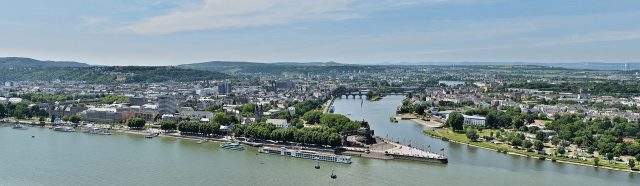
Busogo
Rwanda · 7 places
Photo: Hirwa94, CC BY-SA 4.0
Busogo sits quietly in Rwanda’s northwest, a place most travelers overlook in favor of more famous destinations. That’s precisely what makes it special. There are no crowded streets, no tour buses idling at every corner, no stalls hawking trinkets to passing visitors. Instead, the town moves at its own unhurried pace, surrounded by rolling green hills blanketed in tea plantations and the crisp, clean air of the highlands. It’s a small administrative hub for the surrounding villages, where life revolves around farming—tea, coffee, and bananas grown by the local Hutu community. The landscape here was shaped long ago by volcanic activity, and even now, the distant peaks of the Virunga Mountains loom on the horizon, their summits often shrouded in mist.
The real draw of Busogo isn’t grand monuments or museums, but the land itself. Just beyond the town, the slopes of the Virunga volcanoes rise into the clouds, home to the rare mountain gorillas that draw visitors to Rwanda’s Volcanoes National Park. You won’t find gorillas wandering the streets of Busogo, of course, but the mountains are always there, a constant presence in the distance. In town, the market is the liveliest spot, where farmers bring freshly picked tea leaves in the mornings and vendors sell ripe fruit, spices, and handwoven fabrics. The women who weave these textiles do so on simple looms, their work a quiet testament to traditions passed down through generations.
The climate here is unlike what many expect from Africa. At nearly two thousand meters above sea level, Busogo stays cool year-round, with nights that can even feel chilly. The rainy seasons—March to May and September to December—turn the landscape lush and vibrant, though the downpours can make the roads muddy and slow-going. The dry months are the best time to visit, when the skies are clear and the air is crisp, but even the rain has its own charm. It patters against the tin roofs of houses, and the mist creeps down the hillsides, softening the edges of the world.
Life in Busogo unfolds at a gentle rhythm. Mornings begin with the crow of roosters and the smell of fresh bread from the town’s small bakeries. Schoolchildren in uniforms hurry down the streets, while women balance baskets of produce on their heads, returning from the market. In the evenings, locals gather in modest cafés, sipping milky tea and sharing stories. There are no luxury hotels or high-end restaurants here, just simple guesthouses where hosts welcome visitors with warmth and curiosity, eager to share their way of life. The absence of hustle is the town’s greatest gift—time moves differently here, and it’s easy to fall into its slower cadence.
For those who want to experience Rwanda beyond the usual tourist trail, Busogo offers a rare glimpse into the country’s everyday life. You can walk through tea fields, chat with farmers about their crops, or learn how coffee beans are processed. There are no guided tours or flashy attractions, just the quiet beauty of the land and the people who tend it. The town doesn’t promise excitement or spectacle, but it does offer something far more valuable: a chance to see Rwanda as it truly is, unfiltered and unhurried. And when you leave, the sense of calm lingers, a quiet reminder of a place where time seems to stand still.
See & Do
All of them
Places on the map
Marker colour follows the categoryClimate and weather
Detailed weather: Busogo- Average temperature
- 18 °C
- Precipitation per year
- 1048 mm
Average air temperature
°C
18
18
18
17
17
17
18
18
18
18
17
17
Jan
Feb
Mar
Apr
May
Jun
Jul
Aug
Sep
Oct
Nov
Dec