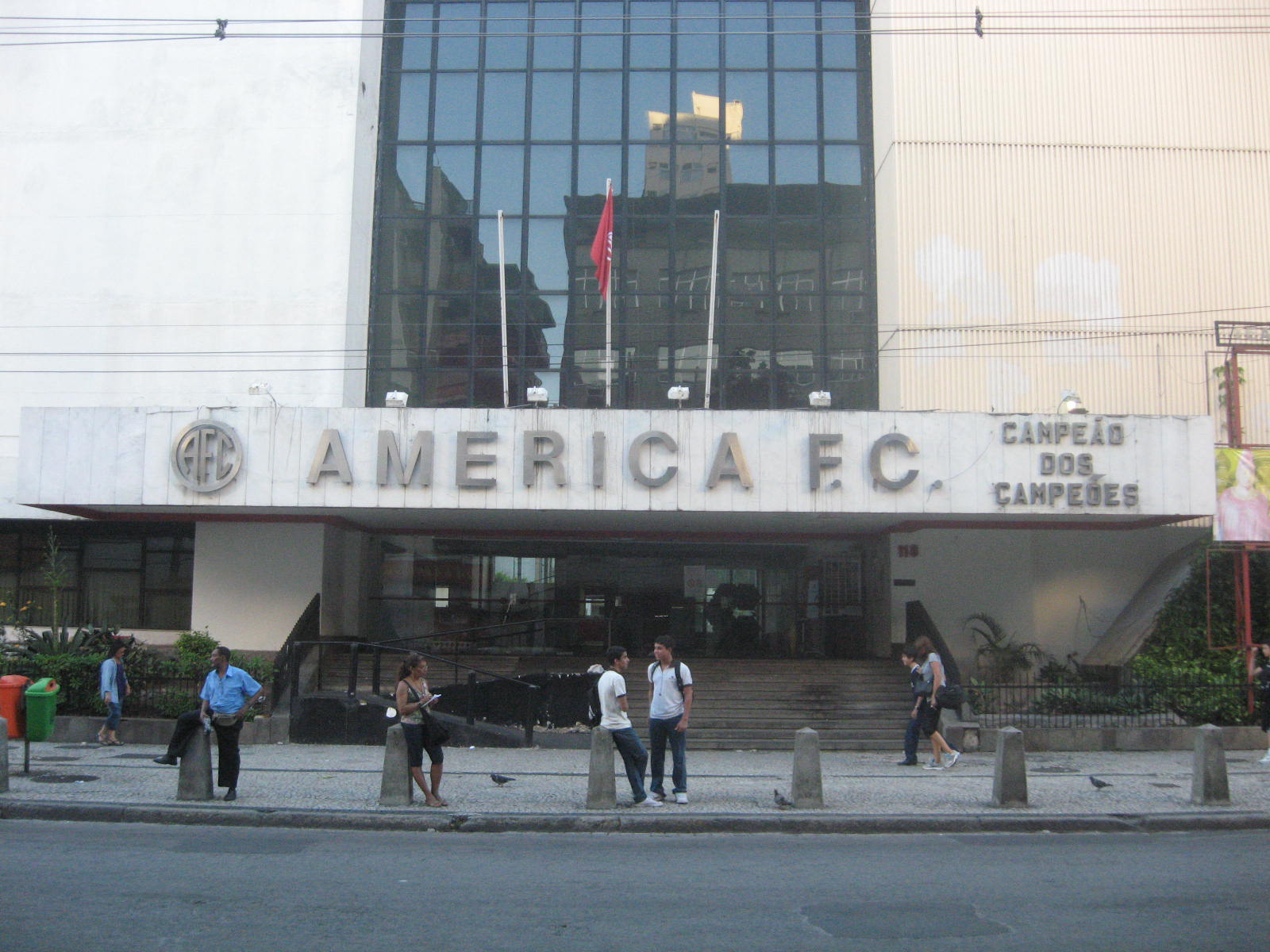
America Football Club isn’t just another team from Rio de Janeiro—it’s a piece of the city’s soul, woven into the fabric of its history, culture, and unshakable passion for the game. Founded in 1904, it stands as one of Brazil’s oldest clubs, a pioneer in an era when football was still finding its place in the hearts of Brazilians. While names like Flamengo and Fluminense would later dominate the spotlight, America was there from the beginning, shaping the traditions and values that would come to define Brazilian football. It was never a giant, but its influence runs deep, a quiet force in the sport’s evolution.
The club’s home in Tijuca, a neighborhood with its own distinct character, has long been more than just a stadium. In its early days, it was a gathering place where football wasn’t just watched but lived—where the line between players and fans blurred, and every match felt like a celebration. There was no grandeur here, no corporate polish, just the raw, unfiltered energy of the game. Even now, as America competes in lower divisions, the stadium retains that old-world charm, a relic of a time when football belonged to the people, not the sponsors. The air still carries the echoes of a simpler Rio, where sport was about community, not commerce.
America’s story is one of rise and fall, a reflection of the city itself. The 1960s marked its golden era, when the team claimed multiple state championships and captured the imagination of Rio’s working class. Back then, its red-and-white stripes weren’t just colors on a jersey—they were a symbol of resilience, a reminder that football wasn’t just for the elite. The club’s success proved that heart and determination could outshine money, at least for a while. Though those days are long gone, the legacy remains, a testament to how even a small team can leave a lasting mark.
The stadium itself is modest, built in an age when football grounds were designed for intimacy, not spectacle. There are no towering stands or luxury boxes here, just a few rows of seats that bring fans close enough to hear the players’ shouts. It’s the kind of place where you don’t just watch a match—you feel part of it. Over the years, the club has faced financial struggles, and the stadium has teetered on the edge of closure more than once. Yet each time, supporters have stepped in to keep it alive, because America isn’t just a team. It’s a living piece of Rio’s identity, a place where the past refuses to fade.
Today, America plays in the lower tiers of Brazilian football, far from the glamour of the national stage. But its significance hasn’t diminished. The club remains a training ground for young talent, a sanctuary for old-school fans, and a quiet corner of the city where football is still about more than just results. The matches here may not draw crowds like they once did, but for those who come, it’s not about the spectacle. It’s about belonging—to a team, a neighborhood, a tradition. Tijuca, with its vibrant mix of samba, street life, and football culture, is the perfect setting for a club that has always been about more than just the game.
For many in Rio, America represents something deeper than sport. It’s a symbol of perseverance, a reminder of the city’s roots in a time when football was less about fame and more about passion. In a place where the game has become big business, where stadiums are filled with tourists and corporate logos, America stands as a link to the past. Its story mirrors Rio’s own—full of contradictions, struggles, and moments of brilliance, but always alive with the same unshakable spirit.
The club may never reclaim its former glory, but that doesn’t matter. Its place in Brazilian football history is secure, not because of trophies or titles, but because of what it represents. America is proof that football isn’t just about the biggest names or the richest teams. It’s about the people who keep the game alive, the neighborhoods that shape it, and the memories that outlast any season. In a city that moves at a relentless pace, America remains a quiet constant, a piece of Rio that refuses to be forgotten.