Alvastra is one of those rare places where history isn’t just remembered—it lingers in the air, in the quiet rustle of leaves over ancient stones. Tucked along the shores of Lake Vättern near Vadstena, this unassuming settlement holds the ruins of a medieval monastery that once shaped the spiritual and cultural life of Sweden. Founded in the 12th century by Cistercian monks, the monastery stood as a beacon of faith, knowledge, and innovation in a land still finding its place in Europe. Today, its crumbling walls, softened by moss and time, offer a glimpse into an era when this corner of Sweden was a center of learning, agriculture, and devotion.
The story of Alvastra begins in 1143, when King Sverker the Elder invited Cistercian monks from France to establish a monastery here. The order was known for its austerity and discipline, but also for its practical wisdom—monks brought with them advanced farming techniques, architectural expertise, and a commitment to education. They drained marshes, cultivated the land, and even set up Sweden’s first school for laypeople. The monastery quickly became a hub of activity, its influence stretching far beyond the shores of Lake Vättern. For centuries, it was a place where faith and daily life intertwined, where manuscripts were copied by hand and fields were tilled with care.
What remains of the monastery today is a fragment of its former grandeur, yet even these ruins tell a story. The church, built in a blend of Romanesque and early Gothic styles, reflects the Cistercian ethos of simplicity and durability. Thick walls, sturdy columns, and vaulted ceilings were designed to endure, a testament to the monks’ belief in building for eternity. Though only the foundations and part of the altar survive, the scale of the ruins is striking. Walking among them, it’s easy to imagine the echo of chanting voices or the quiet footsteps of monks moving through the cloisters.
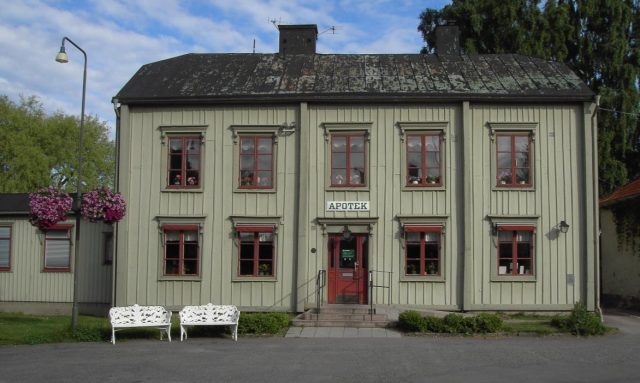
Beyond the monastery walls, the village of Alvastra has grown up around this historic site, its narrow lanes and stone houses preserving the quiet charm of a bygone era. There’s a timelessness here, a sense that life moves at a slower pace. Visitors who come to see the ruins often find themselves lingering, drawn not just by history but by the peaceful atmosphere. In summer, the lake shimmers under the sun, and the surrounding hills, dotted with forests and meadows, offer a reminder of why the monks chose this place—its beauty and tranquility must have felt like a gift.
Like many monastic communities across Europe, Alvastra’s fate was sealed by the Reformation. In the 16th century, the monastery was dissolved, its lands seized by the crown, and its buildings left to decay. By the 19th century, little more than ruins remained. Yet the site never faded entirely from memory. Archaeological excavations in the 20th century uncovered artifacts and insights into medieval monastic life, helping to piece together the daily rhythms of the monks who once lived here. Today, the ruins are protected, a silent witness to centuries of faith and labor.
A visit to Alvastra is more than just a stop at a historical site—it’s a chance to step into the past without the distractions of modern crowds. There’s space here to wander, to sit on a weathered stone and listen to the wind, or to imagine the tolling of bells that once called monks to prayer. The surrounding landscape is just as compelling: the lake’s edge invites quiet walks, while the rolling countryside offers scenic cycling routes or simply a place to pause and breathe. It’s a setting that encourages reflection, whether you’re a history enthusiast or simply someone seeking a moment of stillness.
What makes Alvastra special is its ability to make the past feel tangible. The ruins aren’t just relics—they’re a connection to the people who built, prayed, and lived here centuries ago. The land itself, with its gentle hills and shimmering lake, hasn’t changed all that much since the monks first arrived. It’s a place where the weight of history is balanced by the lightness of nature, where the quiet hum of the present meets the echoes of the past.
For those tracing Sweden’s medieval roots, Alvastra is a must-visit. But even for the casual traveler, it offers something rare: a sense of timelessness, a break from the noise of the modern world. Here, history isn’t confined to books or museums—it’s alive in the stones, in the landscape, in the very air. And perhaps that’s the real draw of this place: the chance to slow down, to listen, and to remember that some stories endure long after their tellers are gone.